What Is Million Dollar Bacon?
Last updated on Jun 3, 2026Corrinn McCauley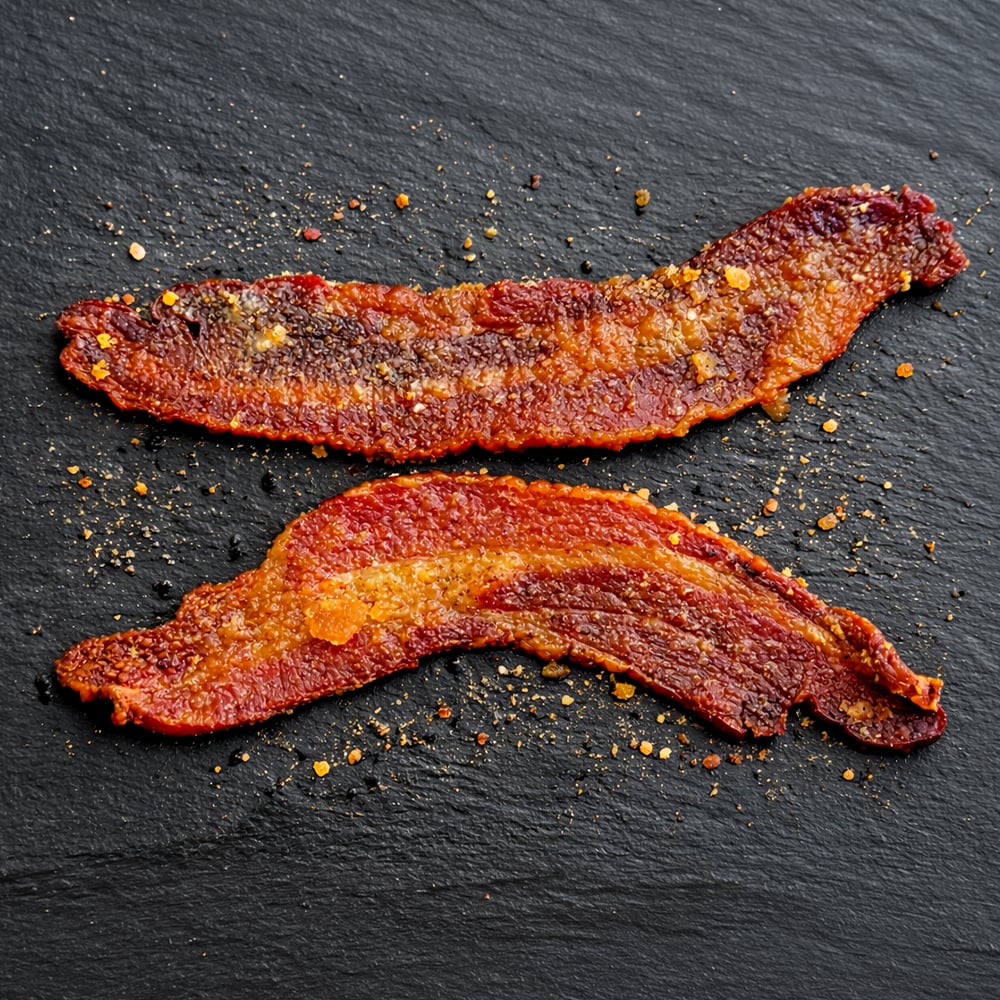
Million Dollar Bacon combines the savory goodness of a marbled pork cut with a sweet and spicy twist. It’s traditionally made with center-cut bacon, brown sugar, maple syrup, black pepper, and cayenne pepper. Each slice of Million Dollar Bacon is about 1/2-inch thick before cooking, compared to the typical 1/16-inch thickness of standard bacon. Some recipes incorporate other spices to put a signature twist on Millionaire Bacon. Chefs cook Million Dollar Bacon in an oven, allowing its flavors to meld together. The final product has a crunchy, caramelized exterior and a tender, juicy interior.
Shop All BaconWho Invented Million Dollar Bacon?
While its inception is unknown, this mouthwatering recipe gained fame at the San Francisco brunch spot, Sweet Maple. Its chef, Ji Yeon Choi, saw its potential and trademarked the name "MILLIONAIRE'S BACON" in 2016, following previous abandoned trademark attempts in Delaware and Texas. It has since spread to breakfast and brunch experiences across the country.
Candied Bacon vs Million Dollar Bacon
Candied bacon and Millionaire Bacon both share similarities in their use of brown sugar and maple syrup, creating a sweet and savory flavor profile. However, Millionaire Bacon stands out with a unique twist by incorporating a hint of heat from cayenne pepper. Additionally, Millionaire Bacon uses a thicker cut of bacon, compared to traditional candied bacon, resulting in a crunchy exterior and a chewy interior that differs from the crispy, sticky texture of candied bacon.
How to Make Million Dollar Bacon
Million Dollar Bacon presents a lucrative opportunity for operators to charge premium prices. Most restaurants feature this dish with two to four decadent pieces of bacon at average prices around $7.00 per order. We walk you through the equipment you need to prepare it and provide an even more elevated billion-dollar bacon recipe for you to serve your customers.
What Special Equipment Is Needed?
To achieve a sweet and succulent Millionaire Bacon flavor without excessive mess and timely clean-up, the right tools make a difference. You can't repurpose bacon grease if it ends up baked into your oven floor.
- Wire Rack: A wire rack facilitates proper air circulation around the bacon, ensuring that it cooks evenly from all sides.
- Rimmed Sheet Pan: A rimmed sheet pan helps prevent grease from dripping onto your oven floor while the Million Dollar Bacon cooks.
- Aluminum Foil: It is strongly advised to line your pan with aluminum foil completely since the glaze on Million Dollar Bacon can leave behind a sticky residue that may be challenging to clean.
Billion Dollar Bacon Recipe
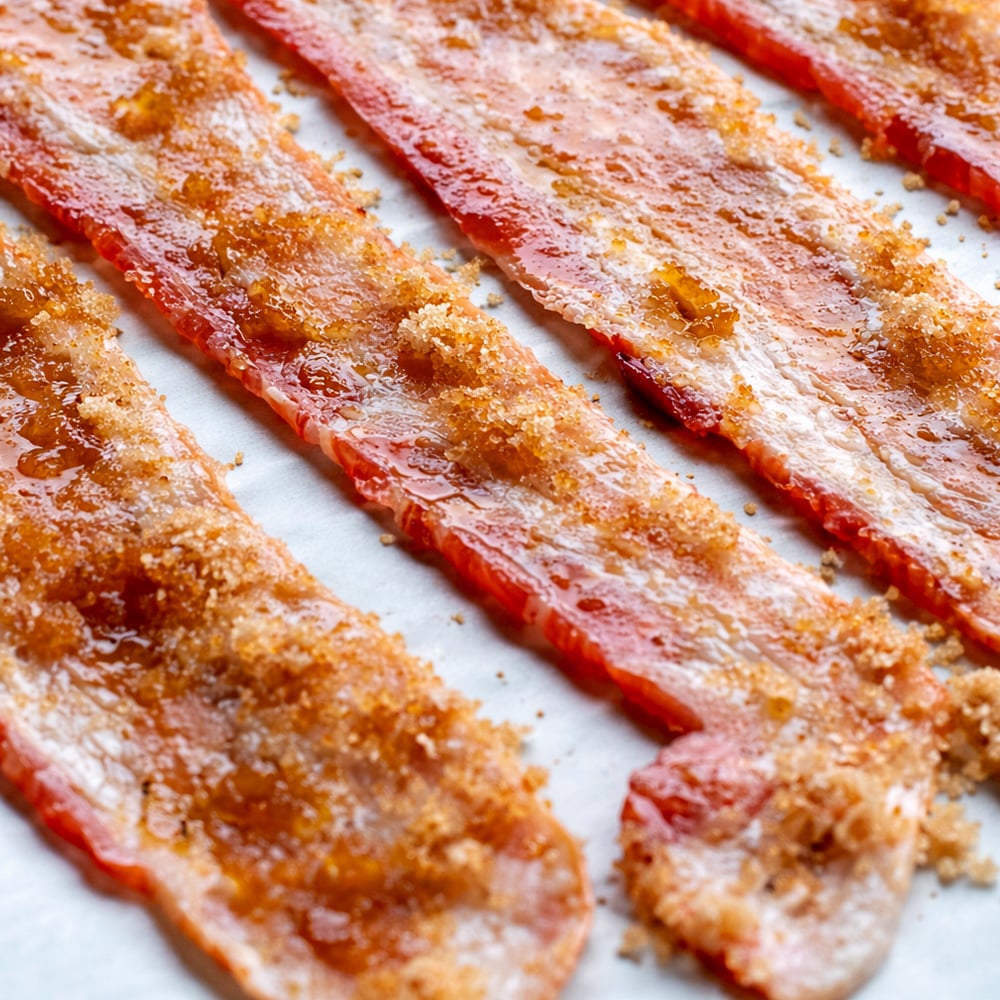
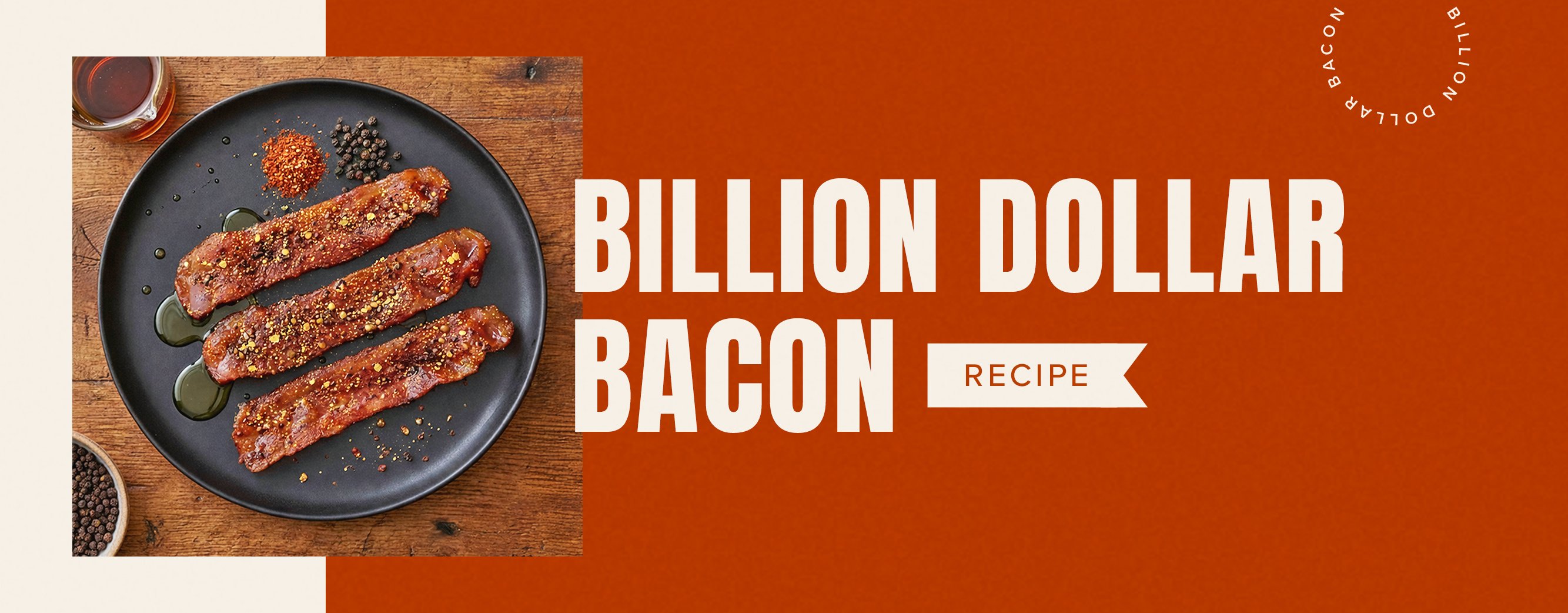
We put Million Dollar Bacon into an even more exclusive tax bracket: meet billionaire's bacon. Our recipe builds on the basic spice blend but turns up the heat, smoky essences, and luxury. To play into the 1% moniker, we included flakes of edible gold leaf.
Yield: Approximately 10 slices
Total Time: 45 minutes
Ingredients
- 1 pound thick-cut bacon
- 4 Tablespoons maple syrup
- 1/4 cup packed brown sugar
- 1 teaspoon smoked paprika
- 1/2 teaspoon cayenne pepper
- 1/2 teaspoon black pepper
- 1/4 teaspoon red pepper flakes
- 24K edible gold leaf sheet (optional)
Directions
- Preheat oven to 350 degrees Fahrenheit.
- Wrap sheet pan in aluminum foil to catch drippings. Place raw bacon on wire rack.
- Combine dry ingredients, mix thoroughly.
- Add maple syrup to a separate container and brush onto the raw bacon. We suggest only doing one side of bacon to avoid sugars sticking to wire rack.
- Sprinkle thick layer of seasoning onto each bacon strip.
- Bake for approximately 38 minutes. Remove from oven and allow to cool slightly.
- Place gold flakes on bacon for added luxury.
Elevate your breakfast menu with our indulgent and irresistible twist on Million Dollar Bacon. Whether you're a hotel or resort manager setting up a gourmet breakfast experience or a chef at a breakfast restaurant, billion-dollar bacon is sure to be a hit. This delectable treat makes customers feel like VIPs while savoring its sweet, spicy, and savory flavors.
Related Resources

What Is a Continental Breakfast?
If you've ever stayed at a hotel or enjoyed a quick breakfast on the go, chances are you've encountered a continental breakfast. In a nutshell, a continental breakfast is a light, simple meal typically consisting of pastries, cereals, fruits, and various types of bread. The concept is extremely popular and is a cost-effective way to add extra amenities to your guests’ stay. We explored the origin of this breakfast style, continental menu options, along with some other breakfast selections you may be interested in using for your hospitality business. Use these links to learn more about different aspects of a continental breakfast: Continental Breakfast Definition Why Is It Called a Continental Breakfast? Why Offer a Continental Breakfast? Hotel Breakfast Variations Continental Breakfast FAQ Continental Breakfast Definition A continental breakfast is a light morning meal typically consisting of pastries and baked goods, fruits, toast, and coffee. It is usually served buffet-style and modeled after the European breakfast, similar to what one would enjoy in France or the Mediterranean. Continental breakfasts emphasize simplicity and focus on foods that can easily be stocked. Continental Breakfast Menu Here are some of the options that a continental breakfast consists of: Baked Goods / Pastries Fruits Bread Jams and Spreads Coffee Tea Hot Chocolate Juice Optional: Breakfast cereals, eggs, meats, sliced cheese, porridge or oatmeal Shop All Breakfast Foods <iframe itemprop="embedURL" width="560" height="315" src="https://www.youtube.com/embed/kBWPUlKwHwE?rel=0" frameborder="0" allowfullscreen></iframe> Why Is It Called a Continental Breakfast? The term “continental breakfast” refers to the continent of Europe and the style of breakfast enjoyed in European cultures. The term first appeared in 1896 as a result of the turning of the century. Prior to the 1800s, the most common American jobs involved farm work and demanded a high-calorie breakfast to start the day. However, as the country headed into the 1900s, the average job became more sedentary and emerging middle-class workers sought out a lighter morning option. At the same time, more and more European travelers were visiting America and staying in hotels. The hotels responded in kind by adding a light breakfast option to their menu that their European customers would appreciate. Why Offer a Continental Breakfast? If you’re considering adding a breakfast option to your restaurant or hotel, here are some reasons why a continental breakfast may be a good fit for your establishment. Cost-Effectiveness - Foods like pastries, cereals, and bread are inexpensive to purchase, can be ordered in bulk, and are fairly shelf-stable. They do not need to be made or purchased daily, saving your establishment time and money. Amenity Popularity - Continental breakfasts are convenient for travelers on the go who may need to grab food very early in the morning. This makes hotels with free continental breakfasts more desirable among travelers, leading to an increase in hotel revenue and potentially a boost in hotel star rating. Manageability - Since most of the food options of a continental breakfast do not need to be cooked, minimal staffing is required to manage the breakfast area. This also allows for breakfasts to be served in nearly any space or room, whether it be in a lobby area or conference room. Hotel Breakfast Variations The continental breakfast is just one hotel breakfast style you can choose from. Other variations may be better suited for your establishment and guests. Global Breakfast Options: Here are some breakfast styles you may encounter around the globe that differ from the European continental breakfast: Full American Breakfast - Large portion of eggs, breakfast meats such as bacon or sausage, potatoes or hashbrowns, pancakes or waffles, toast, and coffee. Full English Breakfast - Scrambled eggs, sausage, bacon, baked beans, black pudding or white pudding, grilled tomatoes, mushrooms, potatoes, toast, and tea. Italian Breakfast - Cappuccino or latte, bread with butter and jam, cookies, biscuits, and pastries. Israeli Breakfast - Eggs, cheese, herring, vegetables, fruits, and cereal. Japanese Breakfast - Steamed rice, miso soup, cooked fish, pickled vegetables, tofu, boiled eggs, and tea. Continental vs American Breakfast While continental breakfast is often seen as a more convenient and lighter option, American breakfast offers a wider range of flavors and a more substantial meal. The continental breakfast is often favored by those who prefer a quick and easy breakfast, while the American breakfast is ideal for those who have a larger appetite or prefer a more traditional breakfast experience. American breakfasts are more commonly found in restaurants and diners, often being cooked to order and including additional items such as omelets, waffles, or french toast. The American breakfast is known for its generous portions and savory options, making it a popular choice for those looking for a substantial start to their day. Continental vs English Breakfast English breakfast, also known as a full breakfast or fry-up, is a heartier meal than its continental counterpart. It is a traditional British breakfast that is often associated with bed and breakfast establishments and country inns. The English breakfast is known for its generous portions and a variety of hot items. While continental breakfast focuses on simplicity and convenience, English breakfast is all about indulgence and a more substantial meal, often being associated with a leisurely weekend morning or a special occasion. Additional Continental Breakfast Ideas: In addition to the continental breakfast, some hotels also feature some extra options for their guests to choose from: Breakfast Stations - These stations allow guests to enjoy a fresh breakfast that is customized to their liking. Waffle Station Pancake Station Bagel Station Omelet Station Crepe Station French Toast Station Smoothie Station Healthy Options - Many travelers seek out healthy options when they are on the go. Add some of these options to cater to alternative diets: Fruit Platters Low-Fat Yogurts Turkey Sausage House-Made Granola Whole Grain Bread Continental Breakfast FAQ Below we answer some of the most common questions regarding continental breakfasts: Is Continental Breakfast Free? In many cases, continental breakfast is indeed offered for free at hotels and other establishments. This is especially true for budget-friendly accommodations that want to provide a convenient and cost-effective option for their guests. The reason why continental breakfast is often free is that it is relatively inexpensive for hotels to provide. Breakfast items are usually purchased in bulk and the preparation and serving of a continental breakfast is relatively simple, requiring minimal labor and equipment. It is important to note however, that not all continental breakfasts are free, as in some cases, hotels or other establishments may charge a fee for access to their breakfast offerings. What Time Is Continental Breakfast? Unlike other types of breakfasts that have specific serving hours, the timing of a continental breakfast can vary depending on the establishment. Generally, it is served in the morning hours, typically between 7:00 am and 10:00 am. However, some places may start serving as early as 6:00 am or extend the time until 11:00 am. The flexible timing of a continental breakfast is one of its key advantages. It caters to different schedules, allowing early risers to enjoy a quick bite before heading out for the day and accommodating those who prefer to sleep in and have a leisurely morning. What Is a Deluxe Continental Breakfast? A deluxe continental breakfast is often found at upscale boutique hotels as it takes the traditional continental breakfast concept and elevates it to the next level. One key feature of a deluxe continental breakfast is the addition of hot items such as scrambled eggs, bacon, sausage, or even breakfast burritos. By incorporating hot options, you're able to provide your guests with a heartier meal that will keep them satisfied throughout the morning. For a truly gourmet experience, consider offering thick, sweet, and spicy Million Dollar Bacon. A continental breakfast is a popular option for hotels, conference centers, and other commercial establishments that want to provide a convenient and cost-effective breakfast option for their guests. It offers a simple and convenient way for guests to enjoy a light meal in the morning without the need for a full-service restaurant or extensive preparation. When packaged with other amenities such as room service and turndown service, your establishment can offer a complete hospitality experience and cater to a wide range of guests.

Breakfast Foods Around the World
Here in the United States, the word breakfast instantly summons up images of our favorite comfort foods. Maybe you envision waffles covered in butter and syrup, crispy bacon, and fluffy scrambled eggs. If that's not your speed, you might think of avocado toast, overnight oats, and a green smoothie as the ideal breakfast. Even if it's just a donut and coffee, many of us collectively agree that breakfast is the best meal of the day. Let's take a trip around the world and discover what breakfast foods are enjoyed in other countries. Sweet or savory? Hot or cold? We'll explore a range of foods that will help you serve a breakfast menu that's diverse and globally inspired. https://www.youtube.com/embed/LcrBlBeunDg?si=eC6K0NDsptDbBh6m Breakfast Around the World Video Watch the video below for a visual overview of the different breakfast cuisines around the globe! <iframe itemprop="https://www.youtube.com/embed/LcrBlBeunDg?si=eC6K0NDsptDbBh6m" width="560" height="315" src="https://www.youtube.com/embed/LcrBlBeunDg?si=eC6K0NDsptDbBh6m" frameborder="0" allowfullscreen></iframe> England: Full English Breakfast The traditional full English breakfast is a large meal that contains an assortment of comfort foods, including eggs, bacon, sausages, black pudding, tomatoes, mushrooms, toast, and of course, baked beans. You might hear this calorie-laden spread referred to as a fry-up or just a full English. It’s the breakfast dish most famously associated with the UK, but it’s too filling for most to be eaten everyday. A typical brekkie eaten by the British is a little bit more modest. You’re more likely to see beans on toast or toast with jam on a normal weekday. But on weekends and special occasions, the red carpet is rolled out for the full English fry-up. It’s a must-try if you visit the British Isles. Australia: Vegemite on Toast There are many types of foods eaten for breakfast in Australia, but there’s one iconic dish that is commonly associated with the Land Down Under. Vegemite on toast is considered a staple comfort food and even a symbol of national pride. This savory dark-brown spread is made with leftover brewer’s yeast, a by-product of the beer industry. It’s a good source of B vitamins and is also suitable for a plant-based diet. The concept of a brown breakfast spread that isn’t peanut butter can be difficult for us to fathom in the United States. Part of the problem could be our heavy-handed application. According to the Australians, the correct way to enjoy Vegemite is to apply an extra-thin layer over buttered toast. Add too much of the thick paste and you will be overwhelmed, which is why this umami-flavored spread is packaged in small bottles. Iceland: Skyr Skyr (pronounced skeer) is a cultured dairy product with a thick creamy consistency and a slightly sour taste. It’s similar to yogurt, but it’s actually considered a type of cheese like ricotta or mascarpone. In Iceland, skyr is a popular breakfast food often paired with porridge and fruit. In the early 2000s, a brand called Icelandic Provisions began marketing skyr in the United States. As a result, you’ll see Icelandic skyr sold alongside yogurt at your local grocery store. The word “skyr” is not trademarked and is considered a generic term like milk or cheese. Italy: Cornetto and Cappuccino If you want to blend in with the locals while traveling through Italy, ignore the other pastries and stick with the classic combo of a cornetto and cappuccino. The name cornetto may be unfamiliar, but when you see this conical golden pastry you will immediately recognize it as the Italian version of a croissant. Pairing coffee with a flakey cornetto pastry is considered a quintessential Italian breakfast. Order your cornetto plain or filled with jam or cream. Enjoy a warm foamy cappuccino and dip the cornetto into your cup before taking a bite. Now post up at a cafe and read the newspaper before starting your busy day. This is an Italian breakfast ritual! France: Tartine There's no shortage of delicious pastries in France, so you might be surprised to hear one of the most common breakfast foods is a simple tartine (or toast). A French tartine isn't the same as a humble piece of toasted white bread here in the United States. This tartine consists of a toasted sliced baguette spread with fresh butter and jam. For breakfast, the tartine might be served with a cup of fresh fruit and hot coffee. Throughout the day, tartines are made with a variety of sweet and savory ingredients, similar to an avocado toast. One thing is certain, breakfast in France is usually considered light and the larger meals are reserved for later in the day. Greece: Koulouri A typical breakfast in Greece might consist of a variety of breads, pastries, fruit, and yogurt. A beloved type of bread that is often consumed for breakfast is the koulouri, nicknamed the Greek bagel. This street food is a large thin bread ring covered in sesame seeds or other toppings. It can be baked until slightly crispy or served soft and warm. The recipe for koulouri dates back to ancient times when this food was sold by street vendors as an affordable option that was filling and nutritious. Koulouri is still enjoyed on-the-go as a quick breakfast in metro areas. Breakfast is enjoyed as a leisurely meal in many parts of Greece, but in Athens, it's common to see commuters with a koulouri in one hand and their favorite coffee in another. Egypt: Ful Medames Egypt is the next country on our tour of breakfast foods, where you'll be served a savory dish of stewed fava beans called ful medames (fool muh-dom-ess). Nicknamed "ful" for short, this fragrant dish is considered the national dish of Egypt. It's a filling combination of mashed fava beans, garlic, cumin, lemon juice, and olive oil. It's sometimes served with hardboiled eggs, chopped tomatoes, or even pickles. Fava beans, also called broadbeans, are a great source of energy and protein, making them a nutritious breakfast food. These types of beans are extra-large and have a meaty texture that becomes creamy and velvety when cooked. Traditionally, ful medames is prepared in large jars and cooked overnight to be enjoyed the next day. Kenya: Uji Porridge In Kenya, a typical breakfast might include boiled sweet potatoes, triangular fried donuts, or a hot porridge called uji (pronounced oo-jee). This porridge is made with the flour of dried grains like millet, sorghum, or maize. After wetting the grains with water, the porridge is left to ferment for 2-3 days to increase its nutritional value. The end product is a thin, creamy porridge that's high in fiber and naturally gluten-free. Some enjoy their uji with milk and honey, extra spices, or peanut butter. You simply must wash down your uji porridge with a steamy cup of chai tea if you want the true Kenyan breakfast experience. Mexico: Chilaquiles You've probably heard of huevos rancheros, but there's another tasty Mexican dish that's also considered a breakfast staple. Chilaquiles (pronounced chee-luh-kee-layz) is a favorite comfort food that is comprised of tortilla chips softened with red or green salsa and covered in a range of toppings like cheese or avocado. You can serve chilaquiles with fried eggs, refried beans, or other proteins for a filling and nutritious breakfast. Chilaquiles is an easy dish to prepare and a convenient way to use up leftover ingredients like tortilla chips. The dish can be customized with your favorite add-ons to make a savory and satisfying way to break your fast in the morning. Brazil: Pao de Queijo For breakfast in Brazil, you're very likely to be served a basket of pillowy cheese-filled rolls called pao de queijo. If you want to sound like a native Brazilian, the correct pronunciation for these tasty morsels is POWN-jee-kay-zhu. The famous Brazilian cheese bread is made with tapioca flour, cheese, eggs, milk, and olive oil. Slightly crisp on the outside with a gooey cheesy center, these rolls are traditionally made with Minas cheese. This semi-soft cheese is produced in Brazil and has a mild, salty flavor. It can be difficult to source this cheese outside of Brazil, so if you're trying to replicate pao de queijo, a combo of queso fresco, parmesan, and cheddar can do the trick. Vietnam: Pho Thanks to the proliferation of delicious global cuisine, many Americans are familiar with the merits of this savory, spicy noodle dish. You can usually find a hot bowl of pho (pronounced fuh) at a neighborhood noodle shop near you. In Vietnam, where this dish originates, it's often eaten first thing in the morning. If you walk down the streets of a Vietnamese city like Hanoi in the early hours, you'll see steaming bowls of pho being sold in open-air shops. These vendors have already been working hard through the night to source their fresh ingredients and simmer their soups to perfection before the 6 AM crowd arrives. Hot soup for breakfast is a common ritual in the tropical climate of Vietnam because the temperature is lower in the morning. Japan: Steamed Rice, Miso Soup, and Grilled Fish The Japanese people believe in creating balance in many aspects of life, and breakfast is no different. You won't be surprised to learn that there is a formula for creating the perfectly balanced breakfast in Japan. One bowl of rice, one bowl of soup, one main dish, and two side dishes is a common traditional Japanese breakfast. Steamed rice and miso soup are usually accompanied by a grilled piece of fish, a rolled omelet, pickled vegetables, and a dish of fermented soybeans called natto. Unlike our fluffy three-egg omelets in the US, a Japanese omelet is delicately rolled to achieve fine layers. It has a silky texture and slightly sweet flavor as a result of the addition of mirin wine. Korea: Banchan The last stop on our breakfast tour of the world is South Korea, which is fitting because breakfast doesn't really exist in this country. South Koreans eat the same foods in the morning that they eat for any other meal, which is usually a collection of side dishes called banchan (pronounced pan-chan). But don't be disappointed because eating banchan is a genius way to squeeze all of your favorite foods into one meal. The typical morning meal in South Korea consists of a bowl of steamed rice, a soup or stew, and several banchan on the side. There are many types of banchan, but here are a few of the most popular: kimchi, spicy cucumbers, soybean sprouts, stir-fried spinach, glass noodles, scallion pancakes, or stir-fried anchovies. Now that you've taken a delicious trip around the world to explore breakfast traditions in different countries, it's time to bring that culinary inspiration back to your own kitchen. By incorporating flavors and dishes from various cultures, you can revamp your breakfast menu and offer customers a truly unique dining experience.

Guide to Popular Ham Varieties
The term "ham" includes a broad category of meat products typically made from the hind legs of pigs. Butchers preserve ham meats through wet or dry curing methods, which employ salt and other seasonings to enhance the meat's flavor and extend its shelf life. Some hams are further processed by smoking, depending on the desired taste and texture. We explore the most popular types of ham so you can choose the best option for your restaurant. Click below to check out the different types of ham: 1. Prosciutto 2. Pancetta 3. Capicola 4. Canadian Bacon 5. Jamon Iberico 6. Honey Ham 7. Black Forest Ham 8. Country Ham 9. Serrano Ham 10. Smithfield Ham 11. Gammon 12. Ham FAQ Types of Ham Discover the different varieties of ham and what distinguishes them from each other. From holiday favorites to regional specialties, there is a diverse range of hams befitting everything from breakfast menus to charcuterie boards. <iframe itemprop="embedURL" width="560" height="315" src="https://www.youtube.com/embed/UYkQhcKXu6U?si=DNmD7hgti40KgaPI" frameborder="0" allowfullscreen></iframe> List of Hams Check out our list of the most popular hams. We provide detailed explanations of each variety, how it is cured, its flavor profiles, and what cut of pork it comes from. 1. Prosciutto Prosciutto is a type of Italian dry-cured ham renowned for its rich flavor and tender texture. This meat comes from the hind legs of pigs, which are first salted and then air-dried for an extended period, usually between 9 to 18 months. Prosciutto has a sweet and salty flavor profile accented by fruity or earthy essences depending on the region where it's produced. In Italian, the word prosciutto translates directly to ham. There are different types of prosciuttos, the two most popular being prosciutto cotto and prosciutto crudo. Thinly sliced prosciutto is usually served as an appetizer or antipasto and paired with cheese, olives, and bread. It adds depth of flavor to pasta sauces, salads, sandwiches, and pizzas. The color of prosciutto should range from brownish red to salmon pink and have strips of fat on each slice. The fat on premium prosciutto isn’t chewy and melts in your mouth. To ensure a quality product, look for DOP (Protected Designation of Origin) prosciutto produced by reputable manufacturers using traditional methods and superior ingredients like prosciutto di parma. Pork Cut: Hind leg Flavor Profile: Sweet and salty with subtle fruit and earth flavors Curing Method: Dry cured 2. Pancetta Technically an Italian variety of bacon, pancetta is made from pork belly and cured with salt, black pepper, nutmeg, fennel, and garlic. Unlike traditional American bacon, pancetta is not smoked and has a distinct savory and slightly sweet flavor. The curing process involves tightly rolling the meat and tying it with string before air-drying it for several weeks to months in a cool, dry place. The meat slowly dries out and develops its unique flavor profile. Some modern methods may involve using a curing chamber or refrigerator to control temperature and humidity levels. Nitrites are added to the meat to prevent harmful bacteria from growing and help preserve the meat. They also give pancetta its characteristic pink color and distinct flavor. Pancetta is well-marbled and has a salty, meaty, and rich flavor profile. Depending on how it’s prepared, pancetta’s fatty pieces become either crispy or chewy. Pancetta is a widely used ingredient and a staple in everything from pasta sauces like carbonara to serving as an enhancement in risotto, salads, and sandwiches. Its rich flavor adds depth to soups, while its fat content helps keep meats moist while they cook. Due to its versatility, pancetta is a staple ingredient in many professional kitchens, providing chefs with a flavorful option for enhancing the taste of their dishes. Pork Cut: Belly Curing Method: Dry cured Flavor Profile: Meaty, fatty, and salty 3. Capicola Capicola is a traditional Italian cured meat that is popular in delis and restaurants across the globe. It’s also known as coppa, capocollo, and (in New Jersey) gabagool. This specialty pork product comes from the neck fillet of the pig and is seasoned before being dry-cured and aged. Capicola is sliced thin and served as part of charcuterie boards, sandwiches, or antipasto platters. Its rich flavor profile, which combines elements of sweetness, saltiness, and spiciness, makes it a versatile ingredient that can elevate almost any dish. There are two main types of capicola: hot and sweet. The spice blend for sweet coppa often includes cinnamon, nutmeg, cloves, bay leaves, and juniper berries. Spicy coppa is typically seasoned with cayenne pepper, garlic, red chili flakes, and paprika. No matter its seasoning, capicola offers a good ratio of meat to fat, and its paper-thin consistency will melt in your mouth. Pork Cut: Neck fillet Curing Method: Dry cured Flavor Profile: Can be sweet or spicy depending on its spice blend 4. Canadian Bacon Canadian bacon, also known as back bacon, is a type of cured pork product popular in both Canadian and American cuisine. Unlike traditional bacon, which is made from pork belly, Canadian bacon is made from pork loin, a leaner pork cut with a different texture than classic bacon. What Americans know as “Canadian bacon” is considered “back bacon” in Canada. Peameal bacon is the traditional bacon in Canada. Canadian bacon is a type of peameal bacon. Peameal bacon is made from boneless pork loin that is cured and then rolled in cornmeal. It is typically leaner and has a milder flavor than other types of ham. It’s commonly used in sandwiches, salads, and breakfast dishes. Canadian bacon is made from pork loin that is cured and smoked. It is typically sliced thicker than peameal bacon and has a slightly sweeter taste. Canadian bacon is often used as a topping for pizzas, in eggs benedict, or as a filling for sandwiches. Pork Cut: Loin Curing Method: Wet cured Flavor Profile: Mild, sweet, doesn’t crisp when cooked 5. Jamon Iberico Jamon Iberico, also known as Iberian ham, is a highly prized and luxurious type of ham originating from Spain and Portugal. This premium ham is renowned for its exceptional flavor, texture, and unique curing process. The curing process of Jamon Iberico is a meticulous art that can take anywhere from 12 to 48 months (about 4 years), depending on the type and quality of the ham. During this time, the ham is salted, dried, and aged in a controlled environment to develop its complex flavors and aromas. Whether enjoyed on its own, paired with cheese and wine, or used in recipes, Jamon Iberico is a versatile and decadent ingredient that adds a touch of luxury to any dish. There are three main categories of Jamon Iberico based on the breed of the pig and its diet: Jamon Iberico de Bellota, Jamon Iberico de Recebo, and Jamon Iberico de Cebo. Jamon Iberico de Bellota is considered the highest quality and most sought-after type, made from free-range Iberian pigs that roam oak forests and feast on acorns during the montanera season. This diet gives the ham a rich, nutty flavor and a marbled texture that melts in your mouth. Jamon Iberico de Recebo is made from pigs whose acorn diet is supplemented with grains and legumes. This type of ham offers a balance of flavors and a slightly firmer texture compared to Jamon Iberico de Bellota. Jamon Iberico de Cebo is made from pigs that are fed a diet of grains and commercial feed, resulting in a milder flavor profile and a firmer texture. Pork Cut: Hind legs of the black Iberico pig Curing Method: Dry cured Flavor Profile: Nutty, earthy, floral, and sweet Back to Top 6. Honey Ham Honey ham is a popular variety of ham that is beloved for its sweet and savory flavor profile. It’s made from the shank, the lower half of the pig’s leg above the hock. The shank cut is tender and easy to carve. However, chefs must take care because it dries out easily when cooked. Honey ham is wet cured by soaking it in a brine solution that includes honey, sugar, and spices. Honey must make up at least half of the sweetening ingredient in the curing mix for it to be considered a honey ham. Not only does the honey add a touch of sweetness, but it also helps to create a caramelized crust when the ham is cooked, giving it a delicious glaze. Honey ham is a versatile ingredient that can be enjoyed in various ways. It can be sliced and served cold in sandwiches or salads, or it can be heated and glazed for a warm and comforting main dish. Its sweet and salty flavor pairs well with a wide range of accompaniments, making it a popular choice for catering events, delis, and restaurants. When purchasing honey ham for commercial use, consider factors such as the quality of the meat, the ingredients used in the curing process, and any certifications or labels that indicate the ham meets certain standards. Pork Cut: Shank Curing Method: Wet cured Flavor Profile: Savory pork saturated in sweet honey 7. Black Forest Ham Black Forest ham originates from the Black Forest region in Germany. It's known for its smoky flavor, black exterior, and deep red color. To create Black Forest ham, pork hind legs are carefully selected and trimmed before being cured with a blend of salt and a mix of spices such as juniper berries, coriander, and pepper. It's cured for up to three weeks, which creates its signature black exterior. The ham is then cold smoked over pine or fir wood, which imparts a unique aroma and flavor to the meat. One key characteristic of Black Forest ham is its distinct marbling, which comes from the high-quality pork used in the curing process. This marbling adds to the tenderness and succulence of the ham, making it a versatile ingredient in a variety of dishes. In the European Union, Black Forest ham has been granted a Protected Geographical Indication (PGI). This designation ensures that only ham produced in the traditional manner and within the Black Forest region can be labeled as Black Forest ham. However, in the United States, there are no restrictions on the use of the term "Black Forest ham," allowing for a wider range of products to be labeled as such. When purchasing Black Forest ham in the U.S., the product probably is not an imported specialty item. Instead, it is typically a brine-cured and cold-smoked ham sourced from American pig farms. It may not even be smoked; it often has artificial smoke flavorings added to achieve a similar taste profile. If you want to offer true Black Forest ham in your restaurant, make sure you read your labels and investigate the manufacturer. Pork Cut: Top round muscle of the pig's leg Curing Method: Dry-cured and cold-smoked Flavor Profile: Smokey, salty and sweet 8. Country Ham Country ham is a type of dry-cured ham that is typically associated with Southern cuisine in the United States. It has a bold flavor and employs a long history of preservation techniques. It’s made by rubbing a leg of pork with salt, sugar, and spices before aging it for six months to three years. One key characteristic of country ham is its intense saltiness, which comes from its curing process. While it cures it develops its trademark rich, savory flavor profile that sets it apart from other types of ham. The aging process also contributes to the unique taste and texture of country ham, as it becomes firmer and more concentrated in flavor over time. Country ham is usually smoked over hickory or red oak wood, enhancing its natural flavors. However, some varieties of country ham like North Carolina’s “salt-and-pepper ham” are not smoked. Traditionally, country ham is sliced thin and served as a standalone dish or as a flavorful addition to a variety of recipes. It is commonly enjoyed as a breakfast meat. Add it to your offerings at your hotel’s continental breakfast or pair it with biscuits at your homestyle diner. It is also an excellent addition to comforting soups, stews, and casseroles. Overall, country ham is a beloved ingredient in Southern cooking and beyond, prized for its robust taste and versatility in various culinary applications. Pork Cut: Hind leg Curing Method: Dry cured and smoked Flavor Profile: Salty, dry, and smokey 9. Serrano Ham Serrano ham, also known as jamon serrano, is a type of dry-cured Spanish ham. It's highly prized by chefs for its rich flavor and delicate texture. It's made from the hind leg meat of white pigs, specifically the Landrace or Duroc breeds, which are raised in Spain under strict guidelines to ensure their quality and authenticity. The production process of serrano ham is a time-honored tradition that involves salting the meat and then air-drying it in a cool, high-altitude location for a minimum of nine months. On most occasions, it's dry-cured for 12 to 18 months. During the curing process, the ham develops its distinctive flavor profile, characterized by a perfect balance of saltiness and sweetness with a hint of nuttiness. Serrano ham is often compared to Italian prosciutto, but it has unique characteristics that set it apart. The flavor of serrano ham is more intense and complex than prosciutto, making it a popular choice for tapas, charcuterie boards, and other gourmet dishes. Its versatility in both traditional Spanish cuisine and modern gastronomy has made serrano ham a staple in restaurants worldwide. When selecting serrano ham for your establishment, look for hams with a deep red color and marbled fat, as these indicate quality and superior flavor. Proper storage and handling are crucial to preserving its integrity, so keep it in a cool, dry place and slice it thin right before serving it. Pork Cut: Hind leg Curing Method: Dry cured Flavor Profile: Salty, buttery, earthy, and barbequed flavor with a delicate texture 10. Smithfield Ham Smithfield ham is a beloved variety that originates from Smithfield, Virginia. This ham is a staple in Southern cuisine and is highly regarded for its unique flavor and quality. Smithfield ham is made from the hind leg of a pig that is dry-cured with salt and sodium nitrate for 30-37 days. Then, it’s spiced with black pepper before it’s cold smoked at 70 to 90 degrees Fahrenheit for another 10 to 15 days. One distinguishing characteristic of Smithfield ham is its long curing process, which can last anywhere from several months to over a year. This extended curing time allows the flavors to develop fully and results in a rich, savory taste. It is often enjoyed thinly sliced and served as a standalone dish or as an ingredient in various recipes. Its bold flavor profile makes it a popular choice for adding to classic southern dishes like black-eyed peas, Brunswick stew, and collard greens. Pork Cut: Hind leg Curing Method: Dry-cured and cold-smoked Flavor Profile: Salty, robust meat flavor 11. Gammon Gammon is a British English word that refers to cured pork hind leg meat. It’s typically wet-cured in a brine solution that contains salt, sugar, and various spices. This process gives gammon its distinct flavor and moist texture. Dry-cured ham tends to have a firmer texture and a more intense flavor compared to wet-cured ham. Thanks to the brining process, gammon is known for its slightly sweet and salty flavor profile. It pairs well with fruity glazes and sauces, making it a versatile ingredient in both savory and sweet dishes. Gammon is sold raw and requires cooking before consumption. It is often boiled, grilled, or roasted and served with a sweet glaze at holiday meals. Pork Cut: Hind leg Curing Method: Wet cured Flavor Profile: Sweet and salty with clove, cinnamon, and star anise essences Back to Top Ham FAQ Now that you’re familiar with the most popular types of ham, you might have some further questions about how ham is made or the subcategories within each type. Use our ham FAQs to gain a deeper understanding. How Is Ham Made? Ham production typically begins with the selection of high-quality pork cuts, commonly the hind leg of the pig. The curing process is a crucial step, where the meat is either dry-cured or wet-cured. Dry-curing involves applying a mixture of salt, sugar, and other seasonings directly onto the meat's surface, while wet-curing involves immersing the meat in a brine solution. After the curing process, the ham is often smoked to enhance its flavor and preserve it. Smoking can be done using various types of wood, such as hickory or applewood, to impart different flavors to the meat. The smoking process can take several hours to days, depending on the desired intensity of flavor. Once the curing and smoking processes are complete, the ham is typically aged to further develop its flavors. Aging can range from a few weeks to several months, with some premium hams undergoing aging processes that last for years. The final step in ham production is the slicing and packaging of the meat. Hams can be sliced into various thicknesses, from thin deli slices for sandwich shops to thicker cuts for roasting or grilling. Packaging can vary depending on the type of ham and its intended use, with options ranging from vacuum-sealed packs to whole hams for carving in commercial kitchens. What Is the Difference between Prosciutto Cotto and Crudo? Prosciutto cotto and prosciutto crudo are the two most common types of prosciuttos. While both are delicious options, they have distinct characteristics that set them apart. Prosciutto cotto, which translates from Italian as cooked ham, is slow-cooked at controlled temperatures and served thinly sliced. It’s often seasoned or brined with herbs, spices, and truffles and has a delicate flavor and a moist texture. Prosciutto crudo, which translates from Italian as raw ham, is a dry-cured ham that is aged for an extended period. It’s sliced paper thin, practically melts in your mouth, and has a sweet and salty flavor profile. Prosciutto crudo is best enjoyed on its own or paired with other complementary flavors such as melon or cheese. What Is Proscuitto Di Parma? Prosciutto di Parma is a renowned Italian dry-cured ham that holds a Protected Designation of Origin (PDO) status, signifying its authenticity and quality. Produced exclusively in the Parma region of Italy, this delicacy is highly regarded for its exceptional flavor and traditional craftsmanship. To create Prosciutto di Parma, only specially selected pork legs from heritage-bred pigs are used, and the meat is carefully salted and left to cure for a minimum of 12 months. The unique microclimate of the Parma region, with its gentle breezes from the Apennine Mountains, plays a crucial role in the aging process, resulting in the distinct flavor profile that sets prosciutto di parma apart. When sourcing Prosciutto di Parma for your establishment, look for the official Parma Crown logo on the packaging, which guarantees that the product meets strict production standards and has undergone rigorous quality checks. What Is the Difference between Pancetta Arrotolata and Pancetta Tesa? There are two main types of pancetta: pancetta arrotolata and pancetta tesa. While both varieties share similarities in terms of flavor and texture, there are key differences that set them apart. Pancetta arrotolata, also known as rolled pancetta, is made by rolling the pork belly into a tight cylinder and then curing it with a blend of salt and spices. The curing process can take several weeks to months, depending on the desired flavor profile. Pancetta arrotolata is commonly used in recipes where the distinct marbling and layers of fat add depth and richness to dishes. Pancetta tesa, or flat pancetta, is prepared by curing the pork belly in a flat, rectangular shape. The meat is seasoned with salt and spices, then pressed and air-dried to develop its signature flavor. Pancetta tesa is often sliced thinly and used as a flavorful addition to pasta dishes, salads, and charcuterie boards. Whether you prefer the cylindrical shape of pancetta arrotolata or the flat slices of pancetta tesa, both varieties are versatile ingredients that can elevate the flavor profile of your culinary creations. Back to Top To choose the best type of ham for your commercial kitchen, you must first consider factors such as flavor, texture, and versatility. From the rich and savory taste of prosciutto to the smoky and salty flavor of country ham, there are a variety of options to suit different culinary needs. Whether you're looking to add a gourmet touch to your charcuterie board or enhance the flavor profile of your signature soup, the diverse selection of ham varieties available ensures that you can find the perfect option to elevate your menu offerings.