The warmer months are perfect for outdoor catering, particularly at events like weddings, picnics, and family gatherings. But while bringing the party outside can be fun, it also comes with its own set of challenges. Beyond the typical pain points a standard catering service would expect, preparing and serving food in an outdoor setting adds an entirely different set of variables to consider. Outdoor pests, water access, and inclement weather are just a few of the factors you need to account for. Below, we'll outline five tips to help you provide on-site outdoor catering with professional consistency and help you prepare for your next event.
Shop All Catering Supplies and Catering Equipment1. Know Your Venue
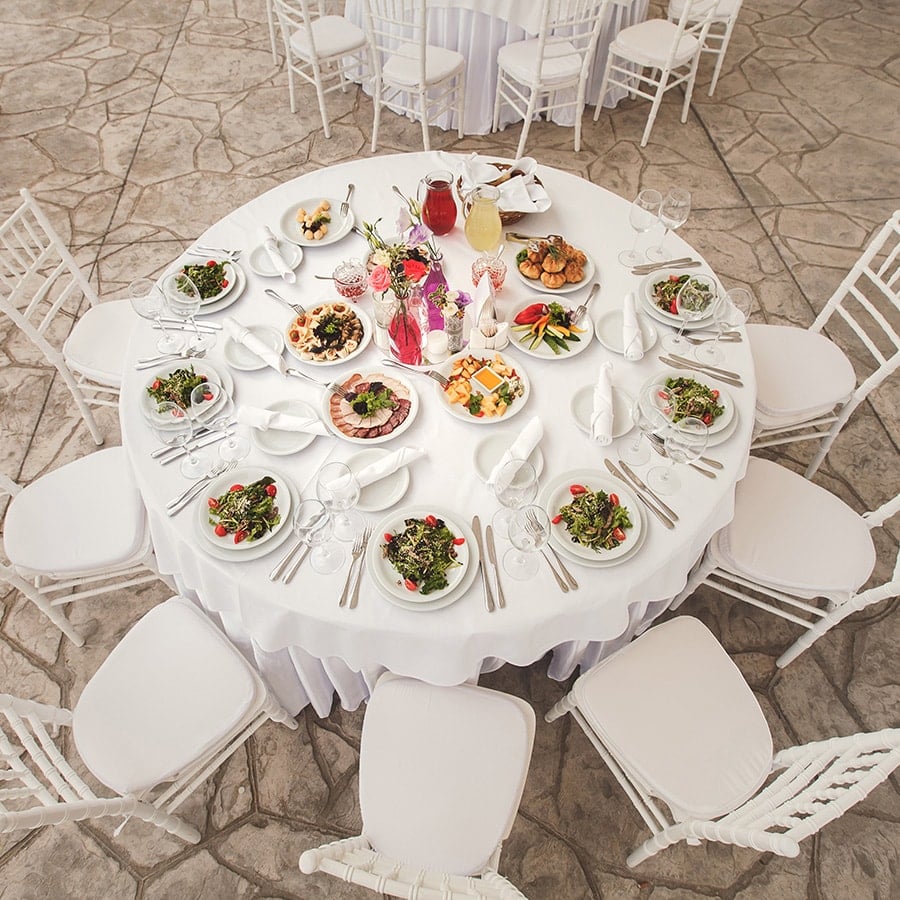
Every outdoor venue will be different, and as such, you should take the time to learn about the location you'll be catering for. Visit the venue beforehand to get an accurate picture of the space available to you. If, for some reason, an in-person visit isn't possible, contact the venue to learn as much as you can about it. Remember to ask about even the smallest details that you might have discovered if you had seen the site.
- Venue layout: Gauge how much space you have to work with. The size and layout of the location will dictate what size of catering equipment you bring, how much space your staff will have to perform their jobs, and your serving plan.
- Terrain: Different terrains may necessitate specific precautions. For example, a patio space might offer more even ground than a field.
- Light levels: Visibility is key when it comes to catering, especially if you're serving at an evening event. Verify what light sources the venue has and determine whether you'll need to bring your own. Without proper lighting, your staff's safety could be at risk.
- Critical control points: Identify specific points in the hazards can be eliminated. Planning with these critical control points is a vital part of developing a HACCP plan, and keeping them in mind can help you embrace food safety and minimize the risk of foodborne illness outbreaks.
2. Review Zoning Restrictions and Permits
Zoning ordinances typically differentiate between commercial and residential spaces and often define how a particular geographic area can be used. Local government policies may enforce zoning restrictions for events, especially if you are working in a temporary space, like a closed street or parking lot. In many places, permits are also required for approval from the health department, fire marshal, and other officials. Common permits and licenses you might need include:
- Safety permits: If you're cooking or holding food outdoors, there is an enhanced risk of fires, accidents, and food safety violations compared to controlled indoor environments. Contact local officials to find out exactly what precautions you need to take based on the venue, as well as which specific health or safety permits you need to apply for.
- Food handler's permit: Many states require food handlers and foodservice operators to complete approved food safety courses, especially if you're serving a crowd.
- Liquor license: A liquor license certifies that you are approved to sell and serve alcohol. The exact process to obtain a liquor license varies depending on which state you're in.
- Location-dependent permits: Some outdoor venues might require a permit to use the area, as well as an additional permit to serve food on the premises.
3. Plan Your Menu
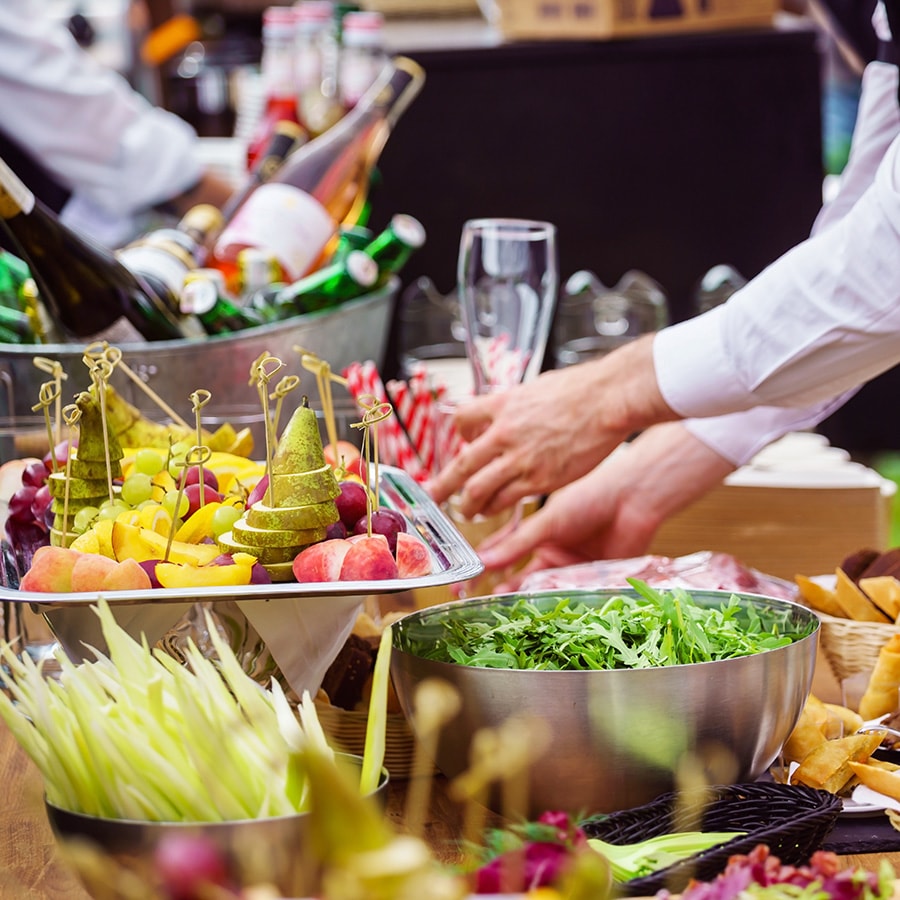
Not only do you need to devise a catering menu that works for the event, but if you're working outdoors, you'll need to adapt the menu according to the environment. No matter if there are clear skies or incoming rain, serving food outdoors presents unique challenges. As you develop your menu, keep the following considerations in mind:
- Food safety: The top priority in any foodservice environment should be food safety. Outdoor conditions like humidity and heat can speed up bacterial growth, impacting the quality of your food and presenting an increased risk of foodborne illness. Without the right precautions, your food could fall into the temperature danger zone or even become cross-contaminated.
- Storage needs: Think about how you'll organize and store your foods during the event. Outdoor coolers are great for keeping beverages at the right temperature, and you might need specialized warming or holding equipment to keep prepared foods ready to serve.
- Equipment: Whether you're preparing foods on-site or transporting them to the location, think about what equipment you'll need to serve your menu. Outdoor cooking equipment like grills, gas stoves, and smokehouses can be set up in advance to ensure a seamless experience. If you're catering alcohol, you can even set up a portable bar.
4. Prepare for Inclement Weather
One of the trickiest parts of outdoor catering is the weather, which can instantly put your meal service out of commission if you aren’t prepared for it. However, it’s important not to assume the event is canceled if the weather turns out to be less than ideal. Preparing for inclement weather with the right protocols and supplies can help save your event in case of storms.
- Canopy tents: A large canopy tent provides ample shelter for equipment, guests, and staff. They are easy to set up, take down, and transport, but should be secured in the ground to protect against wind gusts.
- Covers: Many outdoor catering supplies are not completely weatherproof, so a cover over your preparation area is a must-have to keep them safe and prevent long-term damage.
- Waterproof extension cords: If you're using generators or connecting equipment to a power source, invest in waterproof extension cords. These provide critical shock protection in the event of a sudden downpour, giving you the peace of mind that equipment won't short-circuit and your guests are safe from electrical hazards.
5. Choose the Right Equipment
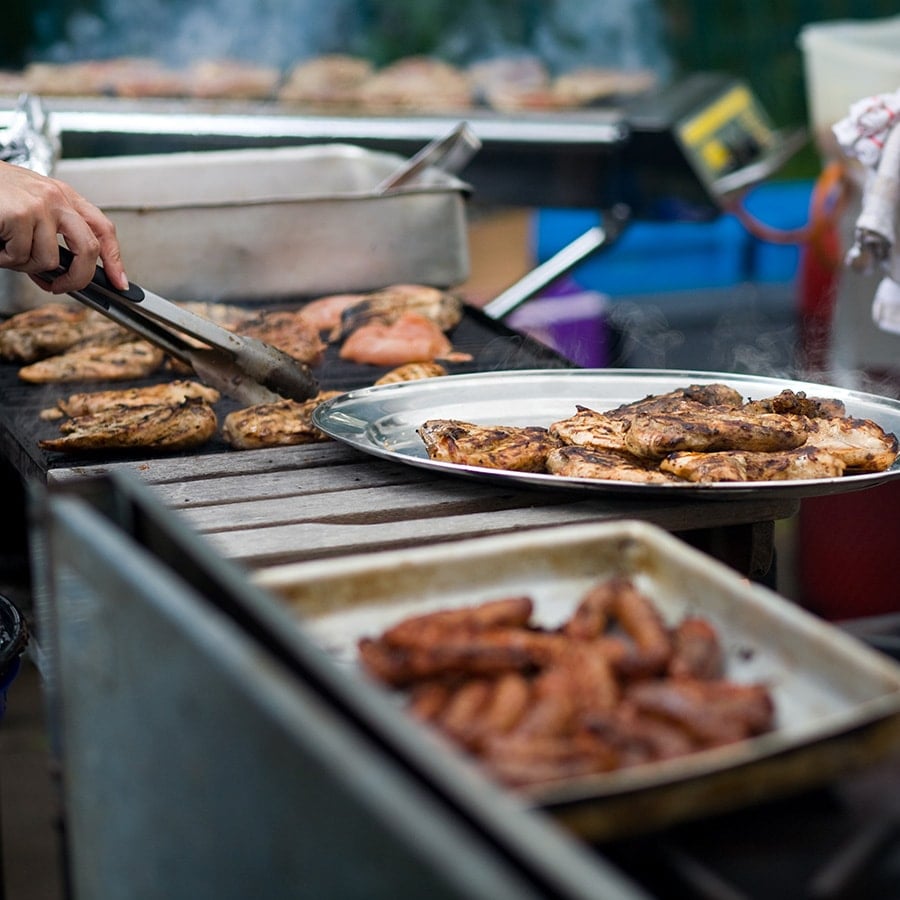
Cooking outside instead of in a traditional kitchen setting can present many challenges for those who aren’t used to it. Without the comforts of a kitchen, having the right outdoor catering equipment for your space can determine how smoothly your event runs. Below are some key components to consider when deciding how to create your temporary outdoor kitchen.
- Electricity: Having an electrical power source is useful for any refrigerators or holding cabinets you may need for food preparation. Even if the venue provides them, consider having a commercial generator and extension cords on hand to ensure that your equipment can be powered when you arrive on site. When purchasing a generator, make sure that its voltage is compatible with your equipment. You do not want to invest in a unit with a lower capacity than your equipment requires.
- Gas: Decide whether to use liquid propane or natural gas as your heat source for cooking. Liquid propane is more energy-efficient, so you may not need to bring as many heavy tanks with you to your location. Conversely, natural gas is often more cost-effective than propane. Do not feel limited by which option your equipment is already set up for. In many cases, you can purchase conversion kits to make your supplies compatible with your selected source.
- Portable cooking equipment: If you cater outdoor events often, you may want to invest in mobile outdoor catering equipment. Supplies like outdoor grills and portable gas ranges are easy to move from place to place. Additionally, many options are designed for simple setup, so you can connect to power and begin cooking.
Outdoor catering events can help your business make the most out of the warmer months. Before you take on an outdoor event, refer to our outdoor catering tips to learn about what kinds of supplies and strategies are required for a successful event.

Over his 5+ years with WebstaurantStore, Jason has spent countless hours learning, researching, and writing about the foodservice industry. With expertise in technical topics, he takes pride in helping customers and readers understand everything from troubleshooting their equipment to the fundamentals of starting a business.
Learn more about this author and WebstaurantStore's Content Writing Team here!