Types of Beer Glasses
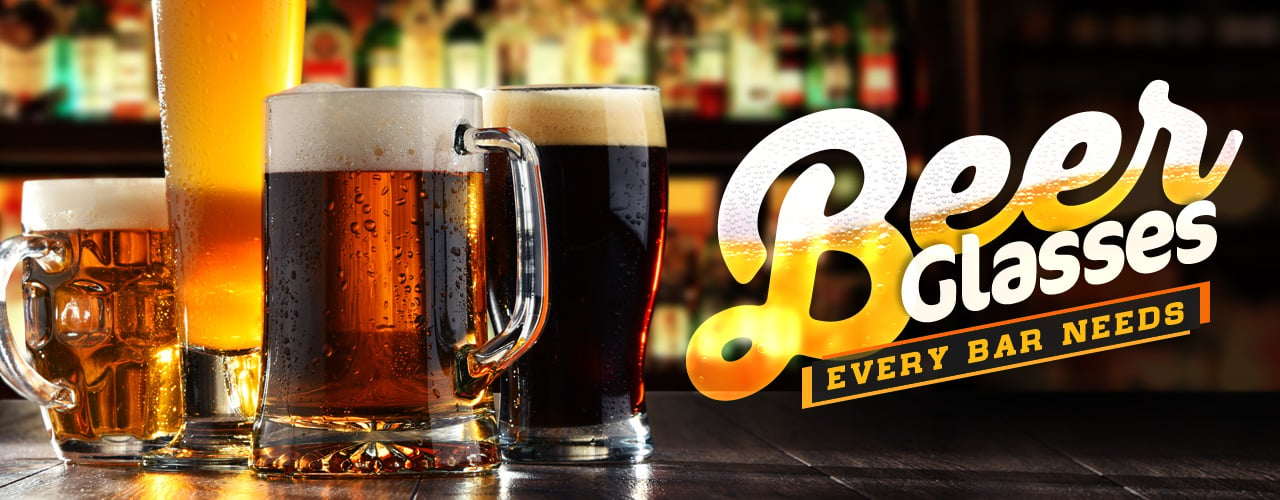
Whether you own a taphouse or brewery, using the right glassware to serve your beers will highlight the characteristics that make each style unique. Color, carbonation, and aromatics can all be enhanced by the shape and thickness of the glass. Using the appropriate glassware for each type of beer has the potential to improve the craft beer experience for your guests. Keep reading to learn all about the beer glass types available and which beers they complement the most.
Shop All Beer Glasses
Click below to learn more about each type of beer glass:
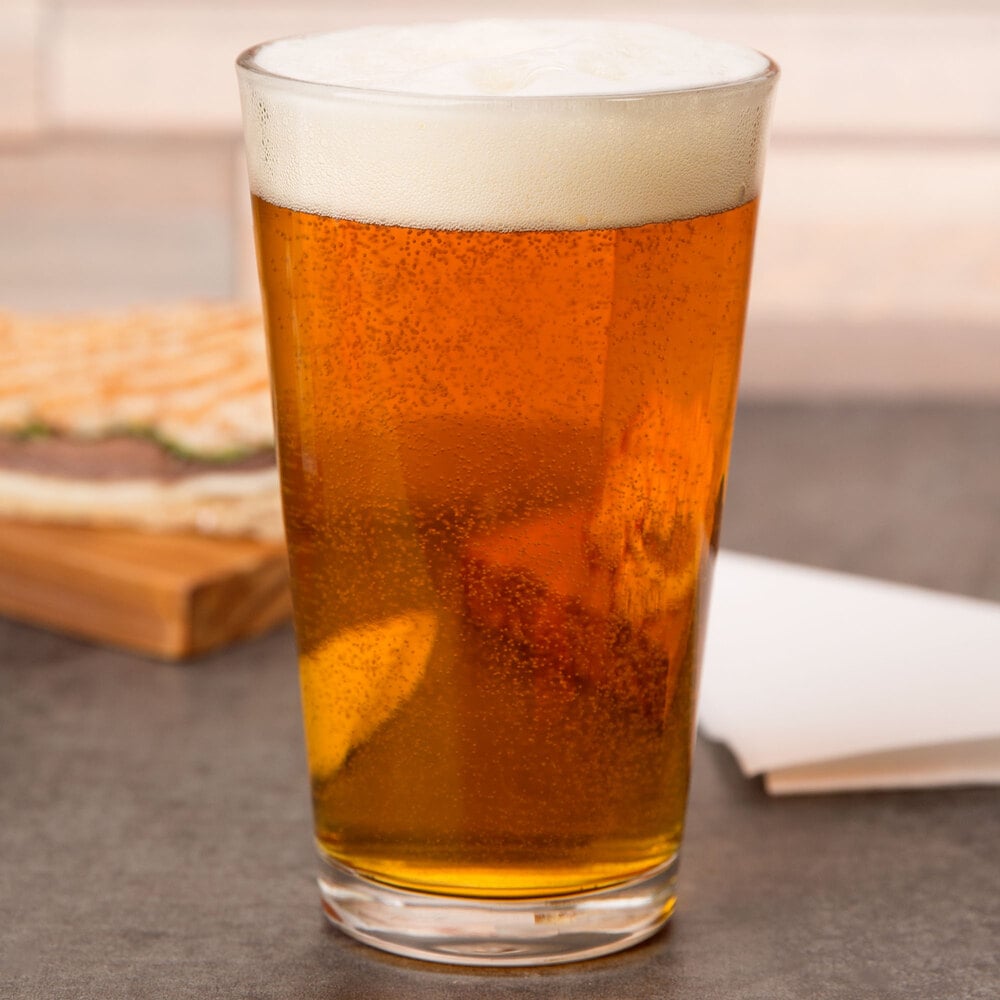
Probably the most recognizable beer glass available in the US, the standard American pint glass is heavy-bottomed with straight, tapered sides. This type of glass neither adds to nor detracts from the quality of the beer, making it a popular multipurpose glass.
The pint glass can be used to serve any style of beer and is stocked in many bars and restaurants because of its versatility and affordability. Nicknamed the "shaker," it's the perfect size and shape to pair with a cocktail shaker for mixing drinks. Pint glasses are commonly customized with bar logos and can be sold as souvenirs to boost your sales. In a pinch, a shaker glass also doubles as a water or soda glass.
- Beer Styles: Multipurpose
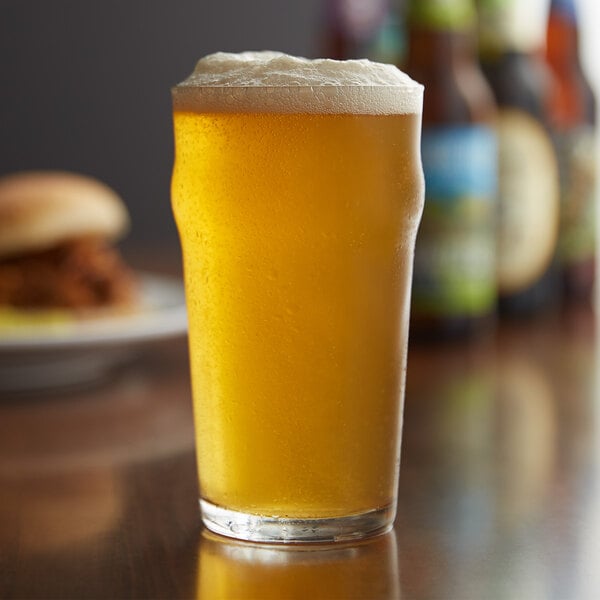
The Imperial pint, also known as an English pub glass or nonic pint, is the standard pint glass used in the UK. Similar to the American pint glass, the nonic glass features a bulge near the lip of the glass.
The unique shape of the glass adds to its structural durability and makes it less likely to be nicked or chipped than a straight-sided glass. It also fits comfortably in the hand and stacks well. Like its American cousin, the nonic glass is generally used as a multipurpose glass, but some say that the curvature of the glass is best suited to ales and stouts.
- Beer Styles: Multipurpose, ales, stouts
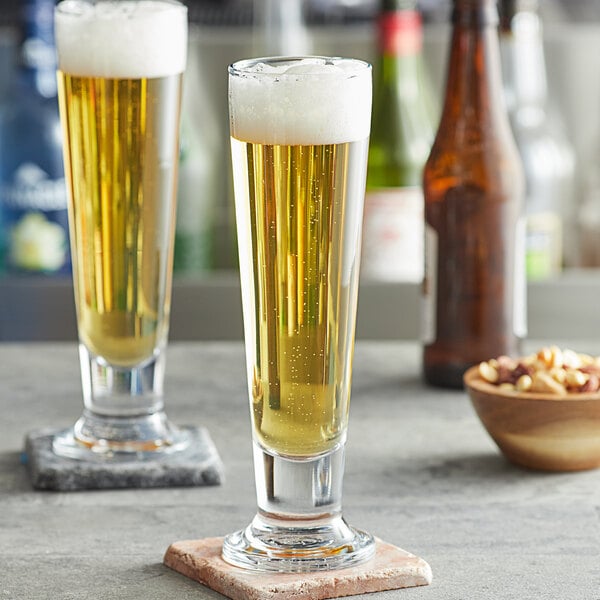
There are many variations on the shape of the pilsner glass, but the traditional style is a tall, skinny, straight-sided glass that gets slightly wider towards the mouth. A true pilsner glass has no curvature.
The long shape of the glass shows off the hue and effervescence of light, golden-colored beers, while the mouth maintains the head and forces aromatics towards your nose. Use this glass with beers that are light in color and have bubbly carbonation like pale lagers and pilsners.
- Beer Styles: Pilsners, blonde ales, pale lagers
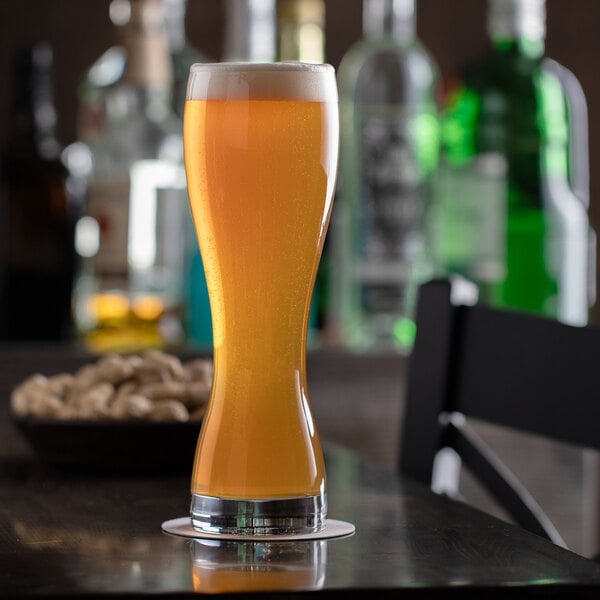
Sometimes confused with the pilsner glass, the weizen glass is also tall and narrow but flares out into a subtle bulb shape near the top of the glass. The curvature traps and maintains a thick, fluffy head, holding the aromatics and directing them toward the nose as you sip. The tapered bottom is thought to prevent sediment or yeast from reaching the mouth of the glass.
Weizen (pronounced vait-sen), is the German word for wheat. As the name suggests, this glass is best suited for wheat beers like hefeweizen, dunkelweizen, American wheat ales, and even gose beers.
- Beer Styles: Wheat ales, hefeweizen, dunkelweizen, weizenbock, gose beers
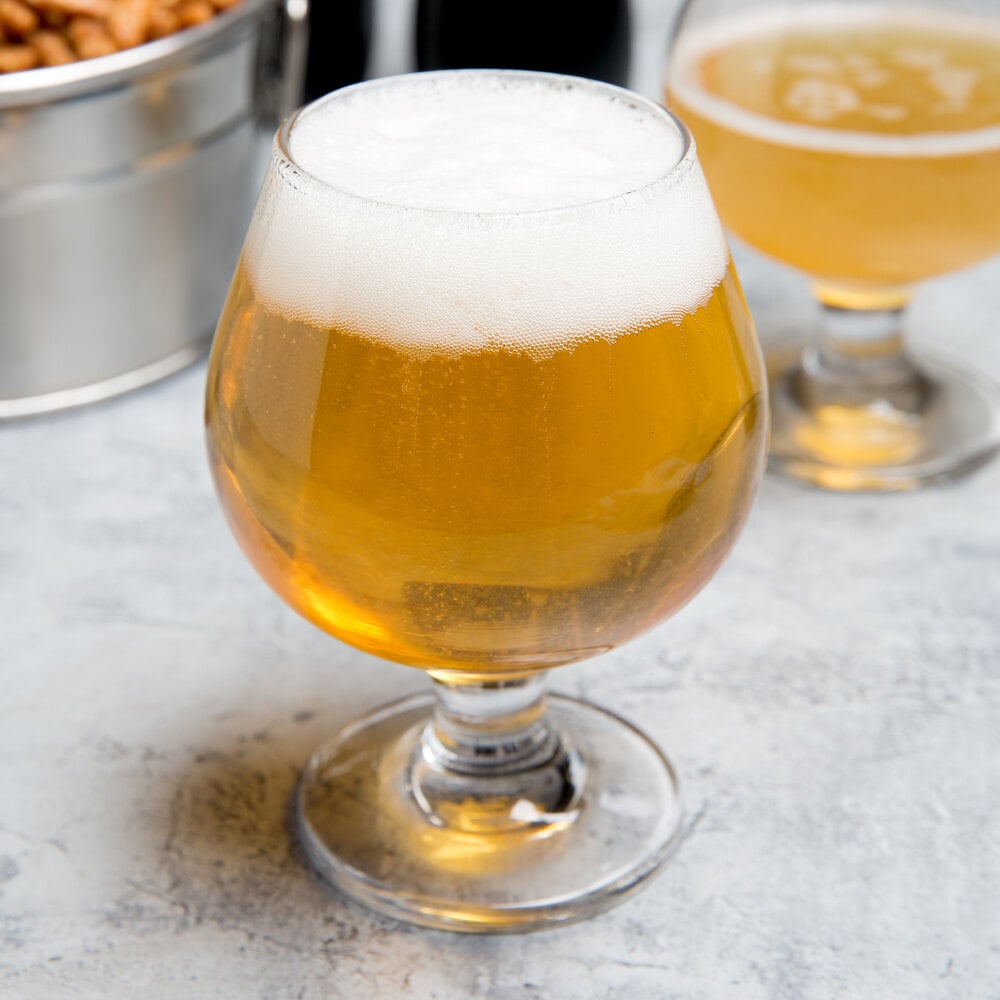
Ideal for beers with high alcohol content, the bowl-like shape of the snifter glass allows you to swirl the beer and release its full aroma. The tapered lip brings the bouquet forward as you drink, enhancing the experience. Featuring a short-footed stem, the snifter glass is easy to hold and the warmth of your hand is thought to help release the aroma even more.
You'll recognize the glass as the preferred glassware for serving brandy. It's similar to both the tulip glass and the beer goblet, with a few differences. The snifter glass doesn't have a flared mouth like a tulip, and it's more delicate and bowl-like than a goblet.
- Beer Styles: Barleywines, imperial IPAs, imperial stouts
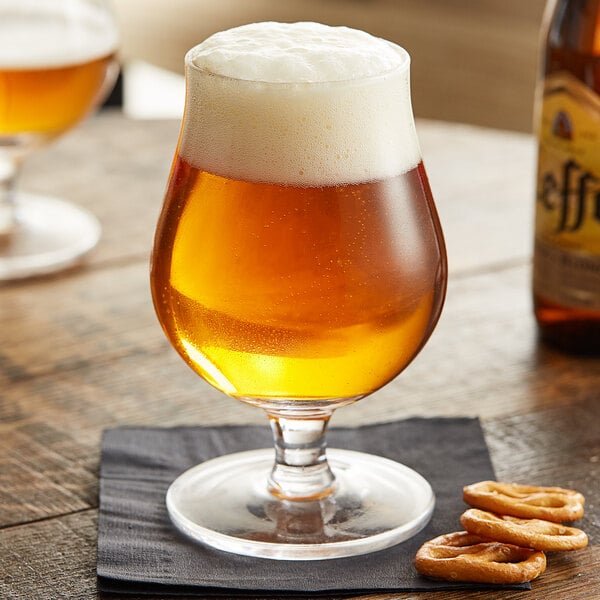
Similar to a snifter glass, the tulip beer glass has a round shape that's perfect for swirling. The feature that makes the tulip glass unique is a flared lip that retains froth and carbonation, making it ideal for beers with big, foamy heads.
The tulip glass helps to bring out some of the more subtle characteristics of heavy beers, but many aficionados think it complements any style of beer. It's most commonly used to serve strong beers like Scottish ales, Belgian ales, and barleywines.
- Beer Styles: Scottish ales, Belgian ales, barleywines, saisons, gueuze, sour ales, wild ales
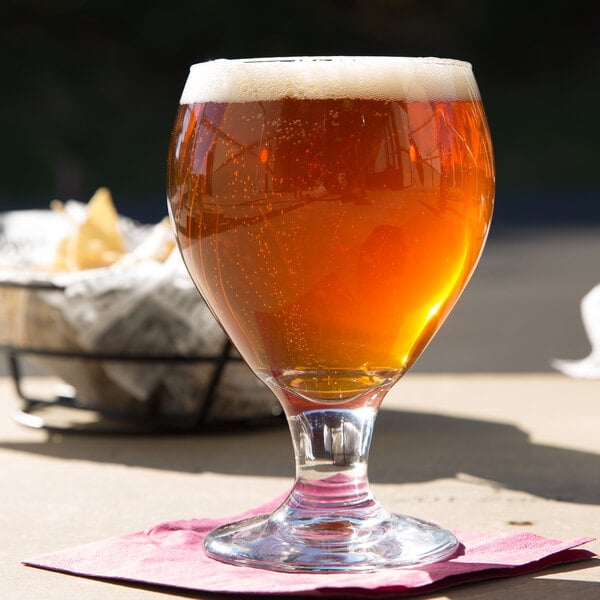
Goblets are large bowl-shaped glasses with thick stems designed for savoring hearty beers with high alcohol content. In Belgium, breweries often design goblets for specific brands of beer and add decorative touches like gold rims.
The goblet glass is meant to look elegant, but it also has features that enhance certain types of beer. Etching on the inside bottom of the glass, called nucleation, forces carbonation upward and helps to maintain the effervescence of the beer. The large mouth of the glass encourages the drinker to take big sips, unlike snifters and tulip glasses which promote small sips.
- Beer Styles: Belgian ales, dubbels, tripels, quadruples
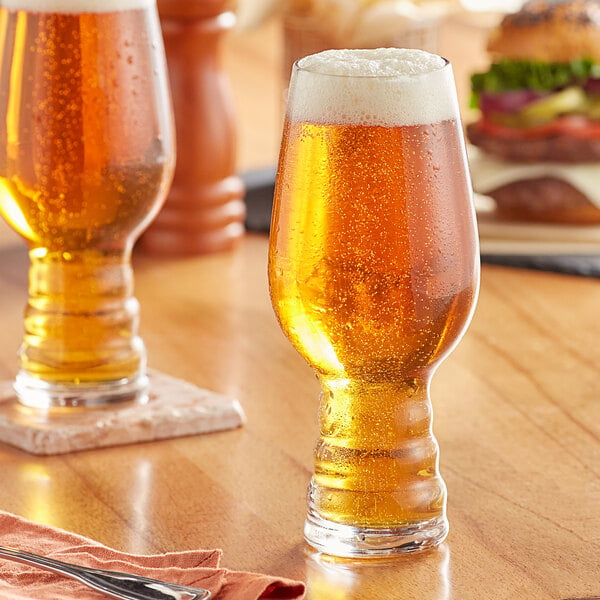
Relatively new in the world of beer glasses, the IPA beer glass was created through a collaboration between Spiegelau, Sierra Nevada, and Dogfish Head. This glass was tested and chosen from over 100 different glass shapes as the one that most accentuated the fruity nose and flavor of an IPA.
Deliberately designed, the IPA glass may look unusual, but the unique shape is very effective. The bell shape at the top of the glass pushes the aroma towards your nose as you sip, while the thin glass construction retains temperature. The IPA glass also preserves carbonation and keeps a frothy head longer than a standard pint glass.
- Beer Styles: All IPA varieties
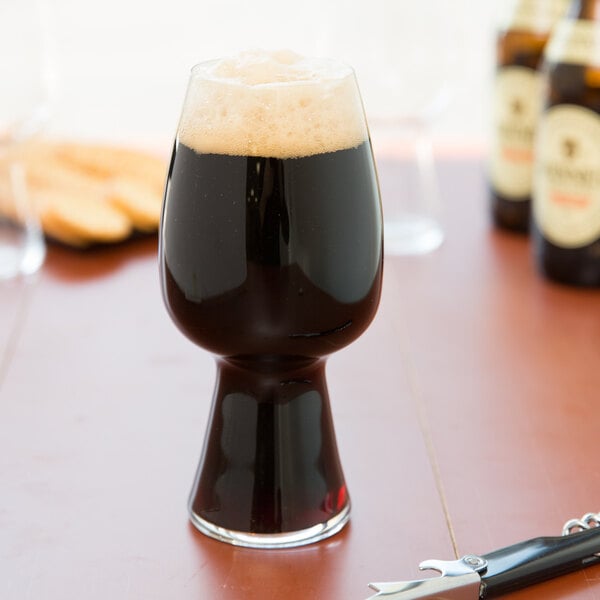
The stout glass is yet another specialized glass created by Spiegelau, with help from Left Hand Brewing Company and Rogue Ales. Designed to complement the dark, roasted flavor and creamy mouthfeel of stout beers, this glass design was chosen from among several other glass prototypes. At first glance, it may look similar to the IPA glass, but there are some key differences.
The bowl of the stout glass is slightly wider at the base with a sharper curvature to deliver the rich, toasted aromatics to your nose as you sip. A shelf-like shape encourages a cascade of sinking bubbles and the hollow base helps retain carbonation and a frothy head.
- Beer Styles: All stout varieties
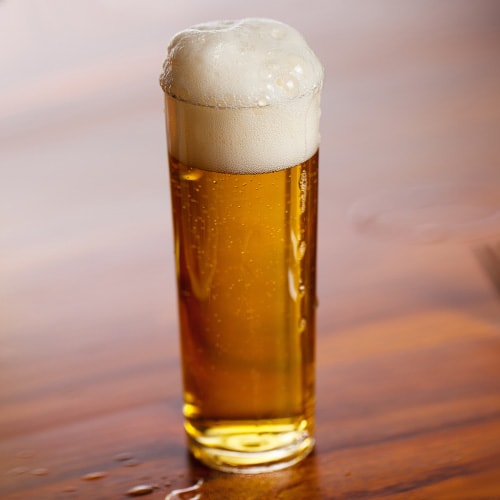
The stange glass is a small, straight glass intended to be served on a round carrying tray called a kranz tray. Originating in Cologne, Germany, the standard stange glass has a small capacity of 6.5 ounces because it is meant to hold light, delicate beers that should be consumed quickly.
Traditionally, as each stange glass on the tray is emptied, a server replenishes them one by one. Today you'll find larger versions of the stange glass that are designed to hold 12 ounces or a full bottle of beer. The stange glass is perfect for light, crisp beers with low carbonation like kolsch beers and altbiers.
- Beer Styles: Kolsch, Czech pilsners, altbier, lambics, gose
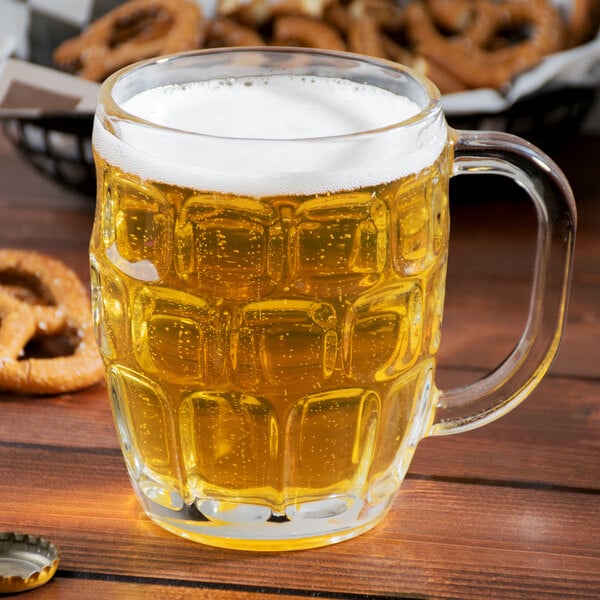
This dimpled glass is also referred to by two German names. You might see it called a krug (pronounced kruuk), which translates to jug. Sometimes it's called a seidel (pronounced zai-dl), which translates to mug. It features an all-over dimpled pattern that adds to the durability of the glass and makes it comfortable to hold. A sturdy handle also makes the mug easy to grasp and clink together with your fellow drinkers.
The dimpled mug is the strongest of all the beer glasses and stands up well to abuse. You can use it to serve beers with strong malty flavors like lagers, stouts, and porters.
- Beer Styles: Multipurpose, lagers, stouts, porters
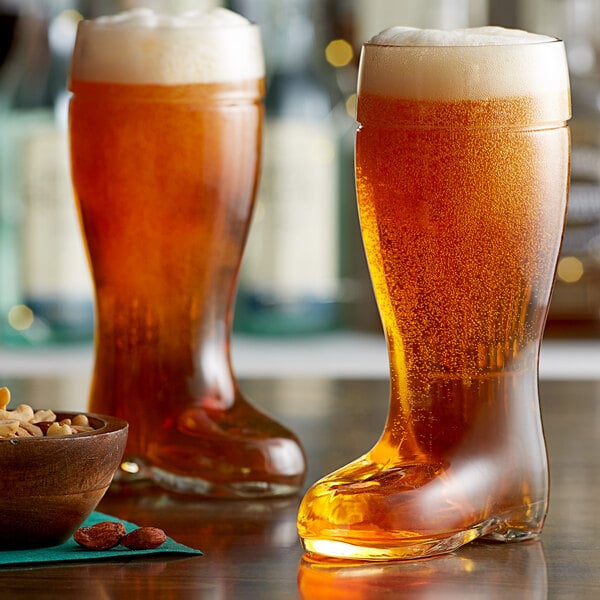
Shaped like a boot, this glass is typically made of durable glass or plastic and can hold a large amount of beer, making it perfect for sharing with friends or for special occasions. The beer boot glass is not only a conversation starter but also a great addition to your business because it can attract customers and create a fun and festive atmosphere. Beer boots are especially popular during Oktoberfest celebrations, and you'll sometimes see them referred to as das boot glasses.
When it comes to the types of beer that go best served in a beer boot glass, German lagers and wheat beers are the top choices. These styles of beer complement the shape and size of the glass, allowing the flavors to be fully appreciated. So, if you're looking to add some excitement to your beer menu and impress your customers, consider adding a beer boot glass to your collection.
- Beer Styles: Oktoberfests, Marzen, wheat beers
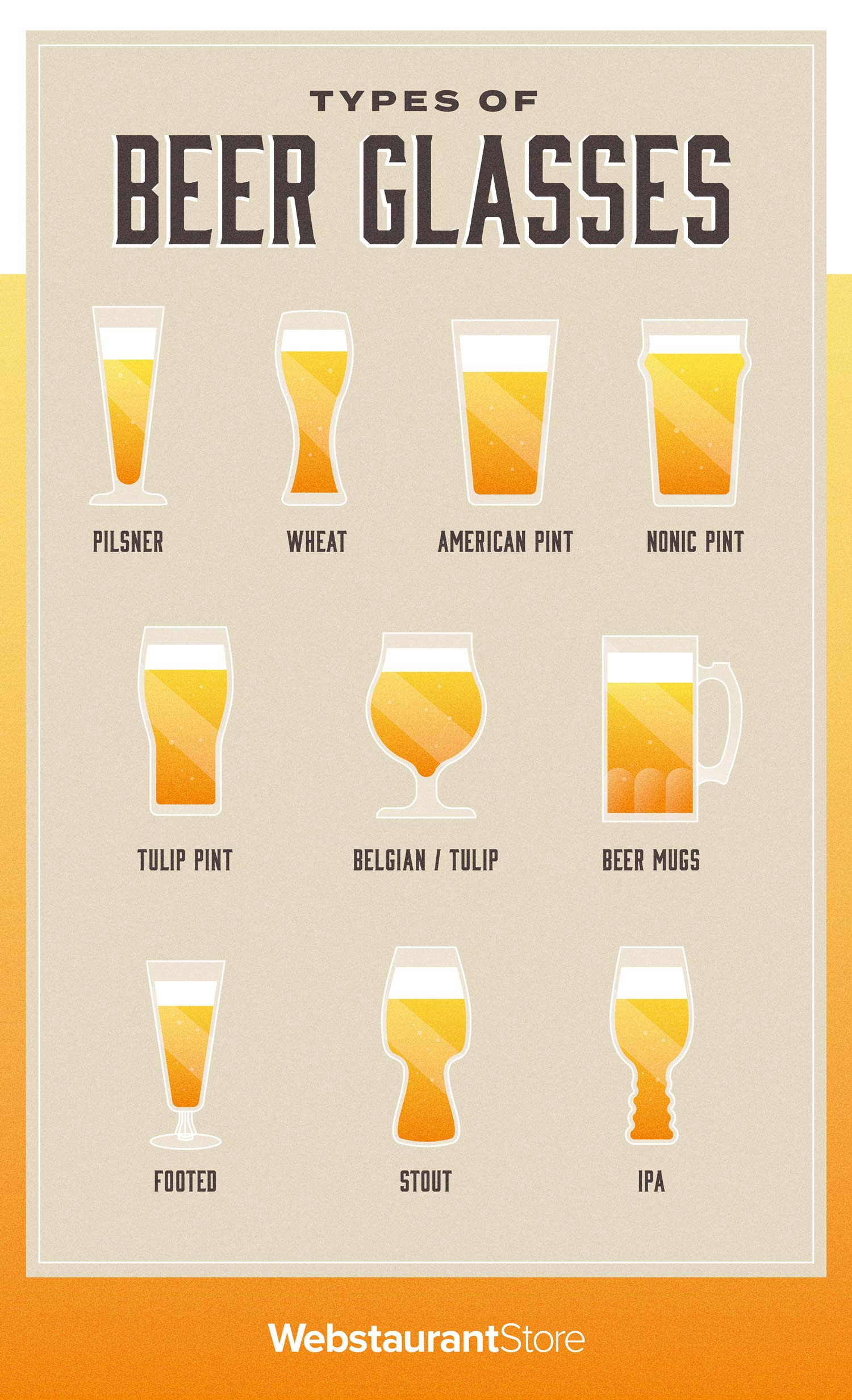
This chart highlights beer glass shapes to make it easy to identify the different styles of beer glasses available.
Related Resources

September 2024 WebstaurantStore Coupon Code
Fall is almost here, and to celebrate Webstaurantstore is offering a selection of amazing deals! In September, you'll discover incredible prices on classic fall flavors, glassware, cold cups, and much more! Take a look at our selection of sale items below and don't forget to enter the code COZY24 at checkout to enjoy savings of up to 25%! We're also excited to introduce the new Webstaurant Rewards® Visa Business Card ! Sign up for a new card today and start earning rewards on every WebstaurantStore purchase. Discover the latest discounts on consumable food and beverage items with September's monthly coupon code. From ready-to-bake pastries to classic fall flavoring mixes, you can find great deals on essential consumables for your commercial
Types of Wine Glasses
Whether sweet or dry, white or red, robust or light, wine requires precise serving procedures to reach its full flavor potential. Mastering the art of serving and pouring wine and holding the glass correctly creates a positive experience for wine enthusiasts and first-time wine tasters alike. In addition to proper serving temperatures, each type of wine requires a specific style of glass for service to best enhance the aromas, flavors, and overall experience of the wine. To best enjoy your wine collection, browse through the links below to choose the ideal wine glass for your needs. Shop All Wine Glasses Use the following links to learn more about different types of wine glasses: Red Wine Glasses White Wine Glasses Red Wine Glasses Burgundy
Bar Glass Cleaner Guide
In a properly cleaned glass, beer should produce a 1/2" to 1" tall head. This means you would only need to fill a 16 oz. glass with 14 oz. of beer, translating to more glasses per barrel and more profit for you! To achieve the best beer service possible, make sure you have an effective bar glass cleaner and warewashing process.
- Topics 1406
- Industrial 55
- Troubleshooting Guides 23
- Restaurant Management 130
- Bar Management 59
- Catering Tips 38
- Bakery Management 43
- Food Trucks & Concessions 50
- Advertising & Marketing 37
- Eco-Friendly Tips 11
- Facility Layout & Design 44
- Coffee Shop Tips 30
- Installation & Maintenance 55
- Janitorial & Pest Control 30
- Safety & Sanitation 95
- Startup Tips 104
- Menu Design 10
- Kitchen & Cooking Tips 85
- Hospitality Management 24
- Pizza & Sandwich Shop Tips 37
- Smallwares 37
- Food Prep 98
- Tabletop Items 18
- Disposables 23
- Calculators & Tools 6
- Consumables 53
- Warewashing & Laundry 18
- Cooking Equipment 97
- Food Storage & Refrigeration 52
- Beverage Equipment 38
- Office Supplies 6
Join Our Mailing List
Receive coupon codes and more right to your inbox.