- Topics 1574
- Industrial 59
- Troubleshooting Guides 32
- Restaurant Management 144
- Bar Management 70
- Catering Tips 44
- Bakery Management 44
- Food Trucks & Concessions 39
- Advertising & Marketing 41
- Eco-Friendly Tips 13
- Facility Layout & Design 47
- Coffee Shop Tips 32
- Installation & Maintenance 63
- Janitorial & Pest Control 34
- Safety & Sanitation 122
- Startup Tips 110
- Menu Design 11
- Kitchen & Cooking Tips 108
- Hospitality Management 26
- Pizza & Sandwich Shop Tips 21
- Smallwares 42
- Food Prep 103
- Tabletop Items 21
- Disposables 28
- Calculators & Tools 7
- Consumables 77
- Warewashing & Laundry 22
- Cooking Equipment 107
- Food Storage & Refrigeration 58
- Beverage Equipment 43
- Office Supplies 6
Spoons, forks, and knives are the three basic types of flatware, but did you know that there are multiple types of each utensil for different applications? This buying guide will go through the various purchasing considerations for flatware, such as stainless steel flatware grades, types of flatware, and what each type's application so that you can choose the best flatware for your establishment.
Shop All Bulk Flatware
Use the following links to learn more about stainless steel flatware, so you can make more informed purchases for your business!
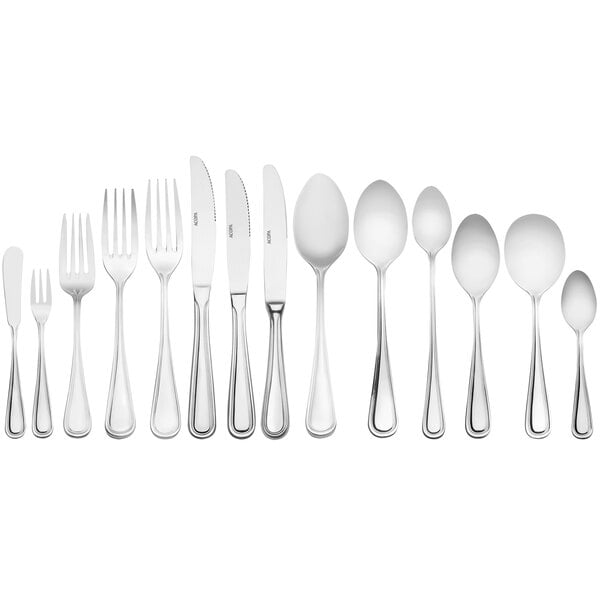
Flatware is a term that is used to group together different utensils, including spoons, forks, and knives, that are used at the table for eating and serving rather than as kitchen tools. Flatware is most commonly made with stainless steel, which is best for everyday use since it’s affordable, durable, and easy to care for. Flatware can also be made of sterling silver, which is where the term silverware comes from. Silverware is not recommended for commercial use due to its level of high maintenance and high price tag.
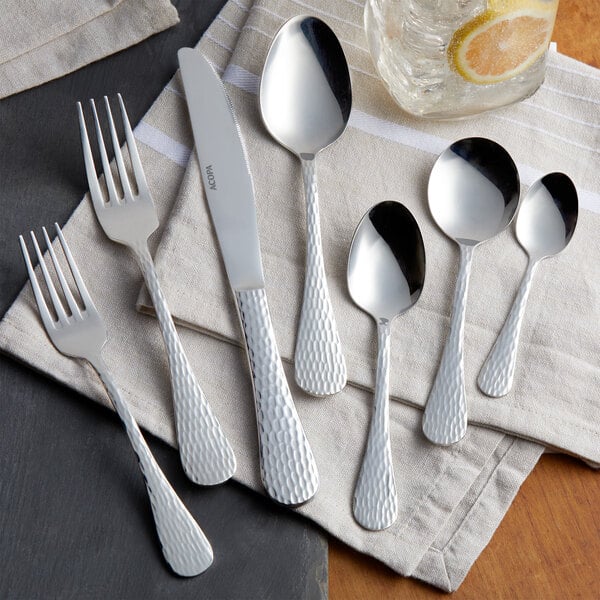
There are four different grades of stainless steel flatware: 18/0, 18/8, 18/10, and 13/0. These designations refer to the percentages of chromium and nickel in the stainless steel alloy. Chromium is used in stainless steel to provide durability as well as resistance to rust and corrosion, while nickel is used to give flatware its luster.
What Does 18/10 Stainless Steel Mean?
18/10 stainless steel contains 18% chromium and 10% nickel.
What Does 18/8 Stainless Steel Mean?
18/8 stainless steel contains 18% chromium and 8% nickel.
What Does 18/0 Stainless Steel Mean?
18/0 stainless steel contains 18% chromium and 0% nickel. 18/0 flatware is magnetic, which makes it a good choice if you use magnetic flatware retrievers at your business.
What Does 13/0 Stainless Steel Mean?
13/0 stainless steel contains 13% chromium and 0% nickel. Most dinner and dessert knives are made with 13/0 stainless steel. This steel is ideal for blade forging to produce a sharp cutting surface, while still maintaining rust- and corrosion-resistant properties.
18/8 vs 18/10 Stainless Steel
18/10 stainless steel is made with 2% more nickel than 18/8 stainless steel, making it more durable and more resistant to bending as well as more resistant to corrosion. 18/10 stainless steel flatware also has more of a luster and shine than 18/8, making it the premium choice of flatware for fine dining establishments. 18/8 stainless steel flatware is a more affordable option while still delivering on durability and corrosion resistance.
18/10 vs 18/0 Stainless Steel
18/0 stainless steel has 0% nickel, making it less durable, shiny, and resistant to corrosion than 18/10 stainless steel. 18/0 stainless steel flatware is an affordable option that’s suitable for dining halls or fast casual restaurants where there is a higher risk of flatware being lost or stolen.
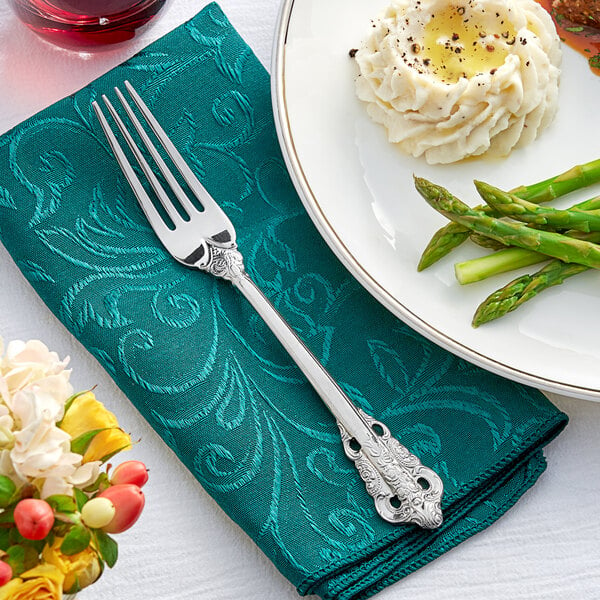
18/10 flatware is the best quality stainless steel flatware. Typically of the extra heavy weight variety, 18/10 flatware feels sturdy in the hand, and it is more difficult to bend, making it a long-lasting flatware choice. Plus, the 10 percent nickel gives it more of a shiny luster and enhanced corrosion protection.

Restaurant flatware comes in four different weights: forged, extra-heavy, heavy, and medium weight. Read on to learn about each flatware weight so you can decide which is best for your business.
1. Forged Flatware:
Forged flatware is the thickest and strongest type of flatware. It is made from a single piece of thick stainless steel which creates the pattern on all sides of the handle rather than just stamped on the top. It is extremely durable and built to withstand any commercial environment, while also fitting in well with upscale dining.
2. Extra Heavy Weight Flatware:
As our premium grade of flatware, extra heavy weight flatware exudes a level of quality that you will see at most finer restaurants and hotels. It feels very sturdy in your hand and is very difficult to bend, compared to medium or even heavy weight flatware.
3. Heavy Weight Flatware:
Heavy weight flatware is more durable than medium weight flatware, not easily bent, and makes for a nice presentation. As a definitive step-up in quality from medium weight, it is commonly used in fast-casual dining establishments and many other mid-level eateries.
4. Medium Weight Flatware:
Medium weight flatware is the lightest flatware that we carry. This is primarily called medium weight flatware in the industry, but it can also be called economy weight and is commonly sought by the value-minded buyer. Medium weight flatware is often bendable in your hand and commonly found in cafeterias, schools, and other institutional settings.
Now that you understand flatware quality and weight, the next step in choosing flatware is learning the types of flatware and their uses. There are multiple sizes and styles of spoons, forks, and knives; and the chart below will walk you through each type we have available.
Style |  | |
|---|---|---|
Teaspoon | The classic teaspoon is part of most traditional place settings. It is used for a wide variety of items, from coffee and tea to desserts, cereal, and soup. It is what most people envision when they think of a spoon. |  |
Dessert Spoon | A dessert spoon is similar in size and shape to a soup spoon (often larger than a teaspoon, too). It has a wide, deep, oval-shaped bowl. |  |
Tablespoon | A tablespoon resembles a traditional teaspoon in shape but is much larger. Tablespoons are mainly used as serving utensils for bowls placed in the middle of the table. |  |
Soup Spoon | A soup spoon has a wider and deeper oval-shaped bowl than a tablespoon, so it can hold more liquid. It has a similar overall shape. |  |
Demitasse Spoon | A demitasse spoon is similar in shape to a standard teaspoon but generally has a longer handle and a slightly smaller bowl. It is designed to stir coffee drinks served in small quantities, such as espresso or cappuccino. |  |
Bouillon Spoon | A bouillon spoon is another type of soup spoon. Bouillon spoons are generally smaller than a regular soup spoon and have a round bowl. |  |
Iced Tea Spoon / Soda Spoon | This spoon generally has a long, thin handle and a small, oval-shaped bowl. It's great for stirring tall drinks, milkshakes, and root beer floats. |  |
Grapefruit Spoon / Citrus Spoon | A grapefruit spoon is similar in design to a teaspoon but features an elongated bowl and a rigid serrated edge to easily separate the fruit from the rind. This spoon can also be used for other fruits such as oranges and melons. |  |
Dinner Fork | The all-purpose dinner fork is part of almost all traditional place settings. It is usually used for the main course. In many casual or quick-serve restaurants, this may be the only fork used. Most dinner forks have four tines, but some only have three, depending on the pattern. |  |
Cocktail / Oyster Fork | This small fork is suitable for small appetizers like cheese cubes, olives, and oysters. |  |
Dessert Fork | A dessert fork and a salad fork are sometimes used interchangeably, even though true dessert forks are slightly smaller and thinner than salad forks. It is mainly used for eating desserts like cake or pie. |  |
Salad Fork | A salad fork is smaller than a traditional dinner fork and is most often used for eating salads or smaller items such as sliced fruit. It may also be used as a dessert fork, even though a true dessert fork is even smaller and more thinly built. |  |
European Dinner Fork | A European dinner fork is generally larger and heavier than a traditional dinner fork. It is usually used during formal occasions and can be found in many higher-end restaurants. |  |
Snail Fork | A snail fork traditionally features two long, pointed tines and is used to gently pry the meat from the snail shell. |  |
European Dinner Knife | A European dinner knife is nearly a third larger and heavier than a traditional dinner knife. It is most often used in formal occasions and is found in many higher-end restaurants. |  |
Dinner Knife | A dinner knife traditionally has a rounded tip and slightly longer blade than the butter knife. It is used for cutting slightly rougher foods such as vegetables and soft meats and is one of the more common pieces of flatware on the dinner table. |  |
Butter Knife | A butter knife typically has a dull edge with a rounded point. This design makes it suitable for spreading jam or butter onto soft foods like rolls, muffins, or toast. |  |
Butter Spreader | A butter spreader is typically the smallest knife in a set of flatware and features a rounded tip and flat blade. It is used to spread butter, jelly, and other toppings. |  |
Whether you're using a three-compartment sink or a commercial dishwasher, stainless steel flatware will last longer and look better if you keep the following tips in mind:
- Remove all food remnants from your flatware as soon as possible.
- Sort and handle properly. It's a good idea to sort the tines, blades, and bowls down if you transport and wash flatware in the same cylinders. When washing in the flatware cylinders, it's a good idea to mix up the flatware so forks and spoons don't "nest" and to wash with the business end up.
- Presoak for approximately 20 minutes. Noble Chemical's Silva Soak presoak powder is a great choice for presoaking your stainless steel flatware. This concentrated powder penetrates and saturates soils for more effective removal in your wash cycle.
- Don't forget to change your soaking solution after a few cycles; otherwise, chemicals and food particles will accumulate and reduce its effectiveness.
- Like all stainless steel, hard water and detergents high in chlorides will eventually break down the protective film. As long as you follow proper presoaking and drying procedures and your dish machine is rinsing correctly, any high quality detergent and sanitizer should not harm your flatware.
- To ensure your flatware always looks its best, be sure to polish immediately with a microfiber cloth or mitt, eliminating any water spots or smudges.
Use the chart below to calculate the appropriate amount of flatware needed based on the type of operation and seating capacity of your establishment or catering service's next event.
To calculate standard usage quantities:
- Choose the column most applicable to your establishment.
- Multiply your number of seats by the number listed in the column chosen in step 1 for each type of flatware needed.
For example, The number of teaspoons needed for a Fine Dining restaurant with 125 seats would be 125 x 5 = 625 teaspoons recommended.
Standard Usage Chart
Item | Fine Dining | Upscale Casual | Banquet |
|---|---|---|---|
Teaspoon | 5 | 3 | 3 |
Dessert or Soup Spoon | 2 | 2 | 2 |
Tablespoon | 1/4 | 1/4 | 0 |
Iced Tea Spoon | 1 1/2 | 1 1/2 | 1 1/2 |
Demitasse Spoon | 2 | 0 | 0 |
Dessert Fork | 3 | 3 | 3 |
Dinner Fork | 2 | 0 | 0 |
Oyster or Cocktail Fork | 1 1/2 | 1 1/2 | 1 1/2 |
Dinner Knife | 2 | 1 1/2 | 3 |
Utility / Dessert Knife | 2 | 1 1/2 | 0 |
B&B Knife or Butter Spreader | 2 | 0 | 0 |
Salad Fork | 2 | 2 | 2 |
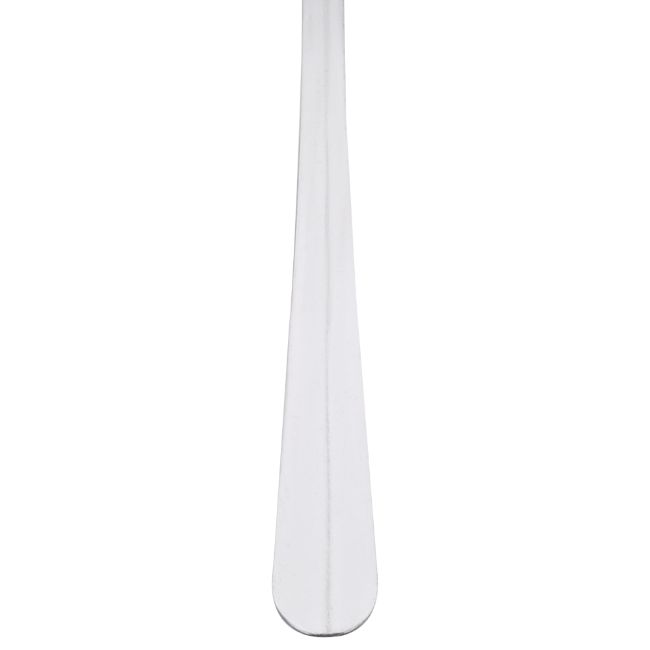
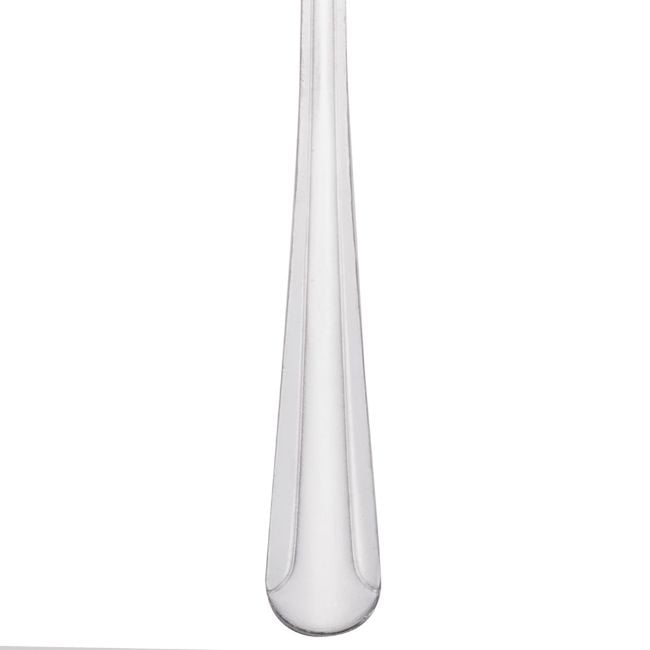
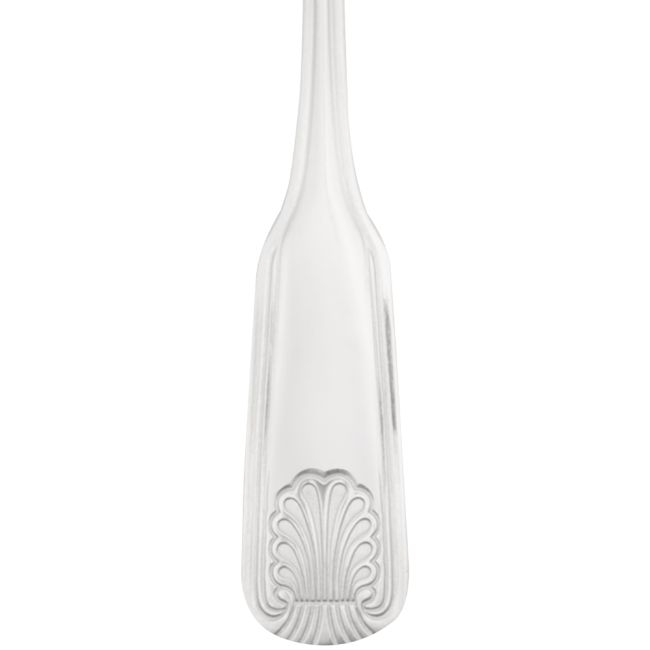
With the convenient comparison chart below, you'll be able to find the perfect flatware pattern to suit your establishment's needs or match your existing flatware to similar lines from other manufacturers. Simply click through the patterns, and check out all the different styles for yourself!
Choice Windsor 18/0
 | Comparison |
|---|---|
10 Strawberry Street | |
ABC | ABC Windsor |
Bon Chef | |
Cardinal | |
Halco-Browne | Halco-Browne Windsor |
Libertyware | Libertyware Windsor |
Oneida | Oneida-Delco Windsor III |
Superior Products | Superior Products Windsor |
Sysco | Sysco Windsor |
Thunder Group | Thunder Group Windsor |
Update International | Update Windsor - Medium |
US Foods | US Foods Windsor Medium |
Vollrath | |
Walco | Walco Economy Windsor |
Winco | Winco Windsor |
World Tableware | World Tableware Medium Windsor |
Choice Dominion 18/0
 | Comparison |
|---|---|
10 Strawberry Street | |
ABC | ABC Dominion |
Bon Chef | |
Cardinal | |
Halco-Browne | Halco-Browne Dominion |
Libertyware | Libertyware Dominion |
Oneida | Oneida-Delco- Dominion |
Superior Products | Superior Products Dominion |
Sysco | Sysco Dominion |
Thunder Group | Thunder Group Domilion |
Update International | Update International Dominion |
US Foods | |
Vollrath | US Foods Dominion |
Walco | Walco Dominion |
Winco | Winco Dominion |
World Tableware | World Tableware Dominion |
Acopa Atglen 18/0
 | Comparison |
|---|---|
10 Strawberry Street | |
ABC | ABC Coral |
Bon Chef | Bon Chef Shell |
Cardinal | |
Halco-Browne | |
Libertyware | Libertyware Oceans |
Oneida | Oneida-Delco Laguna |
Superior Products | |
Sysco | Sysco Coral |
Thunder Group | Thunder Group Sea Shell |
Update International | Update International Shelley |
US Foods | US Foods Shell |
Vollrath | Vollrath Mariner |
Walco | Walco Fanfare |
Winco | Winco Toulouse |
World Tableware | World Tableware Coral / Coquille |
Acopa Tableware | Acopa Atglen 18/0 |
Choice Bellwood 18/0
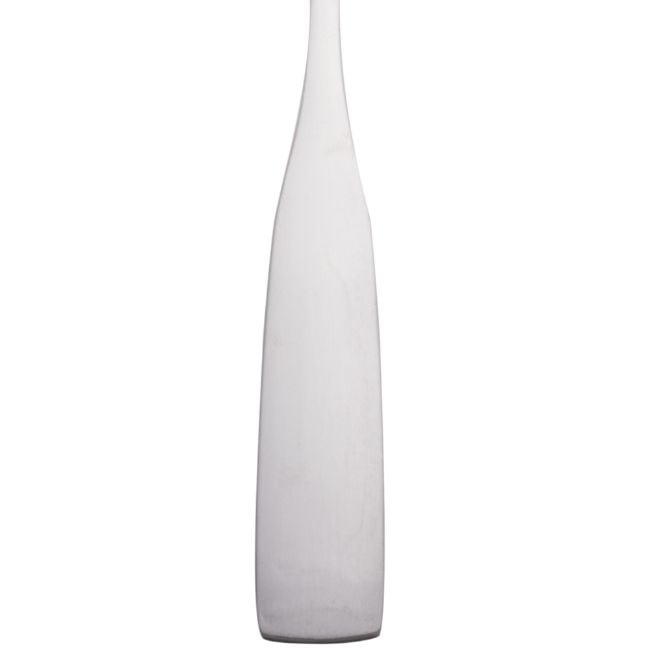 | Comparison |
|---|---|
10 Strawberry Street | |
ABC | ABC New Colonial |
Bon Chef | Bon Chef Liberty |
Cardinal | |
Halco-Browne | |
Libertyware | Libertyware Independence |
Oneida | Oneida-Delco Concord |
Superior Products | |
Sysco | Sysco Brookhollow |
Thunder Group | Thunder Group Salem |
Update International | Update International Conrad |
US Foods | US Foods Plymouth |
Vollrath | |
Walco | Derby |
Winco | Winston |
World Tableware | Brandware Colony |
Acopa Benson 18/0
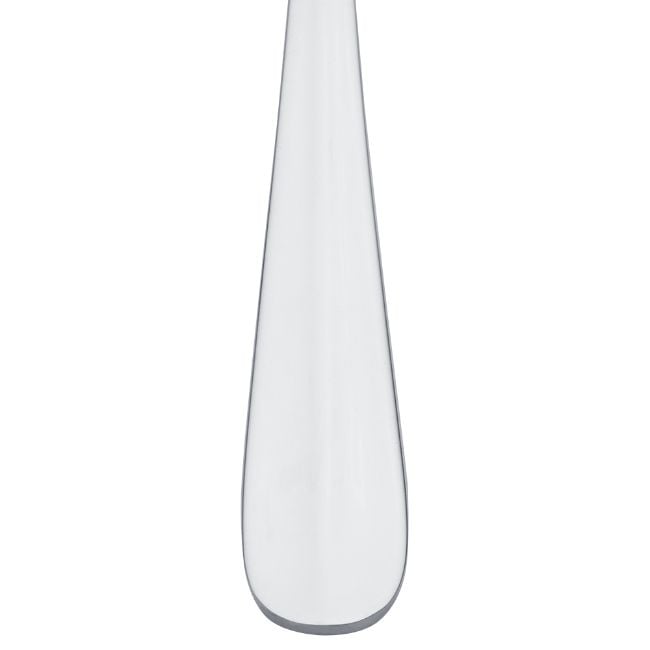 | Comparison |
|---|---|
10 Strawberry Street | |
ABC | |
Bon Chef | Bon Chef Monroe |
Cardinal | Cardinal Renzo |
Halco-Browne | |
Libertyware | |
Oneida | Oneida Bague |
Superior Products | |
Sysco | |
Thunder Group | Thunder Group Diamond 18/10 |
Update International | |
US Foods | |
Vollrath | |
Walco | Walco Parisian 18/0 |
Winco | Winco Stanford |
World Tableware | World Tableware Baguette II |
Choice Delmont 18/0
 | Comparison |
|---|---|
Ace Mart Valuline | Concord |
Calico Industrial Supply | Monterey |
Sysco | Brookhollow |
Thunder | Salem |
Update International | Conrad |
US Foods | Superior Plymouth |
Walco | Monterey |
Winco | Houston |
World Tableware | Boston Common |
World Tableware | Brandware Salem |
Acopa Edgewood 18/0
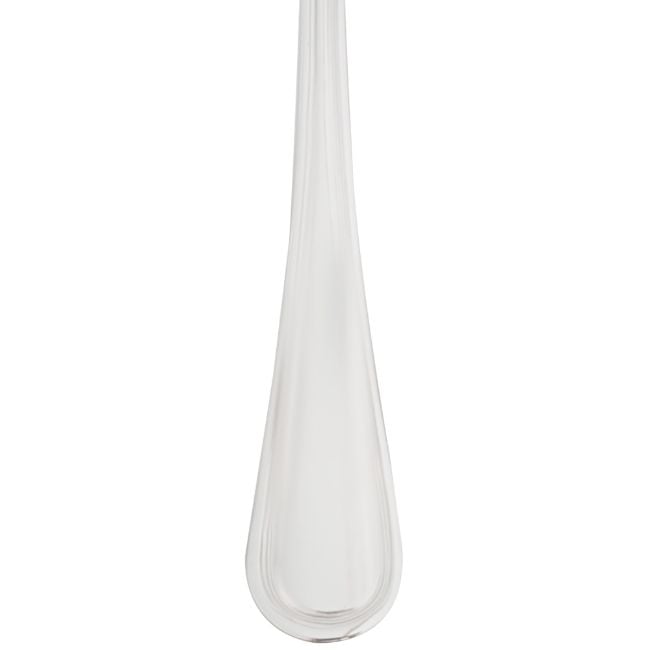 | Comparison |
|---|---|
10 Strawberry Street | |
ABC | |
Bon Chef | Bon Chef Tuscany |
Cardinal | |
Halco-Browne | |
Libertyware | Libertyware Stansbury |
Oneida | Oneida Barcelona |
Superior Products | |
Sysco | Sysco Palais and Classic Rim |
Thunder Group | Thunder Group Legend |
Update International | Update International Regal |
US Foods | US Foods Columbia |
Vollrath | |
Walco | Walco Balance |
Winco | Winco Continental |
World Tableware | Libbey World Tableware Classic Rim |
Acopa Edgeworth 18/8
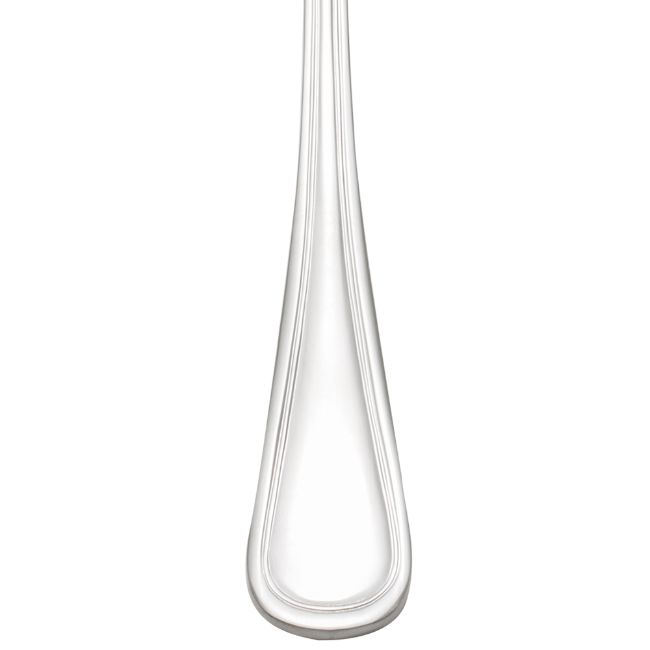 | Comparison |
|---|---|
10 Strawberry Street | |
ABC | ABC Regency |
Bon Chef | Bon Chef Tuscany |
Cardinal | |
Halco-Browne | |
Oneida | Oneida New Rim |
Superior Products
| Superior Products New Rim or Tuscany |
Sysco | Sysco Palais / Classic Rim |
Update International | Update Regency
|
US Foods | US Foods Reflections |
Vollrath | |
Walco
| Walco Napa
|
Winco | Winco Shangri-La Heavy Weight |
World Tableware | World Tableware Geneva / Classic Rim |
Acopa Harmony 18/8
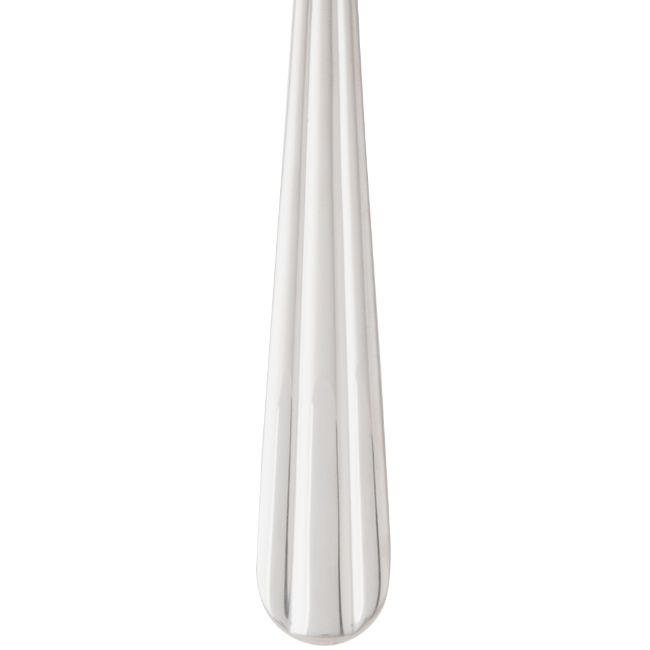 | Comparison |
|---|---|
10 Strawberry Street | |
ABC | ABC Unity |
Bon Chef | Bon Chef Britany |
Cardinal | |
Halco-Browne | |
Libertyware | |
Oneida | Oneida Unity |
Superior Products | |
Sysco | Sysco Tosca |
Thunder Group | |
Update International | |
US Foods | US Foods Unity |
Vollrath | |
Walco | |
Winco | |
World Tableware | Libbey World Tableware Gothic |
Acopa Landsdale 18/8
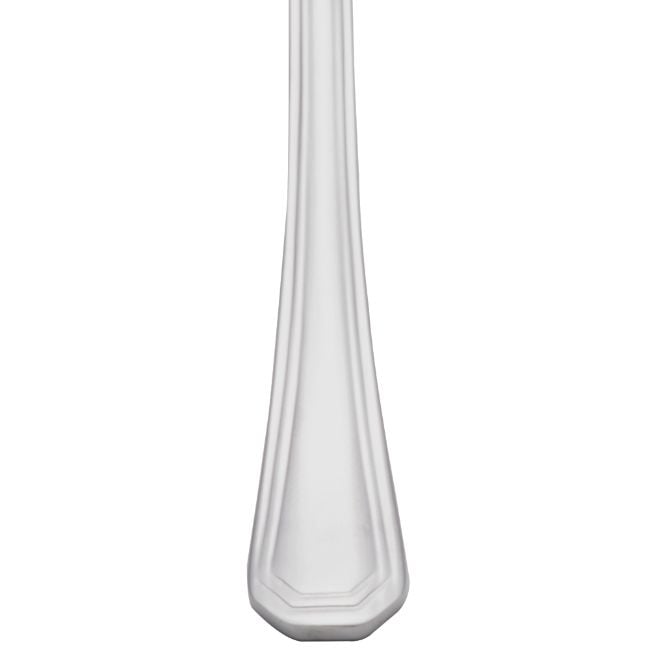 | Comparison |
|---|---|
10 Strawberry Street | |
ABC | |
Bon Chef | Bon Chef Prism |
Cardinal | |
Halco-Browne | Halco-Browne Oxford |
Libertyware | |
Oneida | Oneida Lido |
Superior Products | |
Sysco | Sysco Black Diamond |
Thunder Group | Thunder Group Wilshire |
Update International | Update International Imperial |
US Foods | US Foods Prism |
Vollrath | |
Walco | |
Winco | Winco Victoria |
World Tableware | World Tableware Pinnacle |
Acopa Midland 18/0
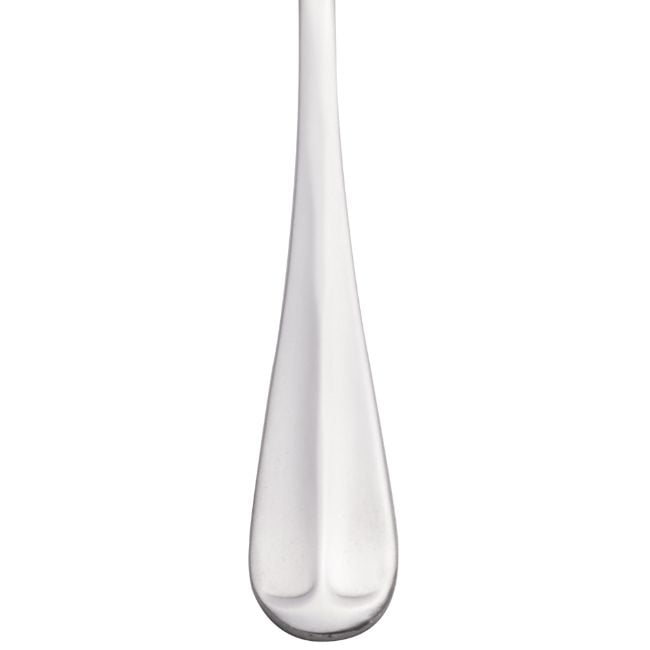 | Comparison |
|---|---|
10 Strawberry Street | |
ABC | ABC Queen Anne |
Bon Chef | |
Cardinal | |
Halco-Browne | Halco-Browne Notting Hill |
Libertyware | Libertyware Old Oxford |
Oneida | Oneida-Delco Old English |
Superior Products | Superior Products Freedom |
Sysco | Sysco Millcroft |
Thunder Group | Thunder Group Dakota |
Update International | Update International Chelsea |
US Foods | US Foods Hightower |
Vollrath | Vollrath Queen Ann |
Walco | Walco Royal Bristol |
Winco | Winco Lafayete |
World Tableware | World Tableware Freedom |
Acopa Tableware | Acopa Midland 18/0 |
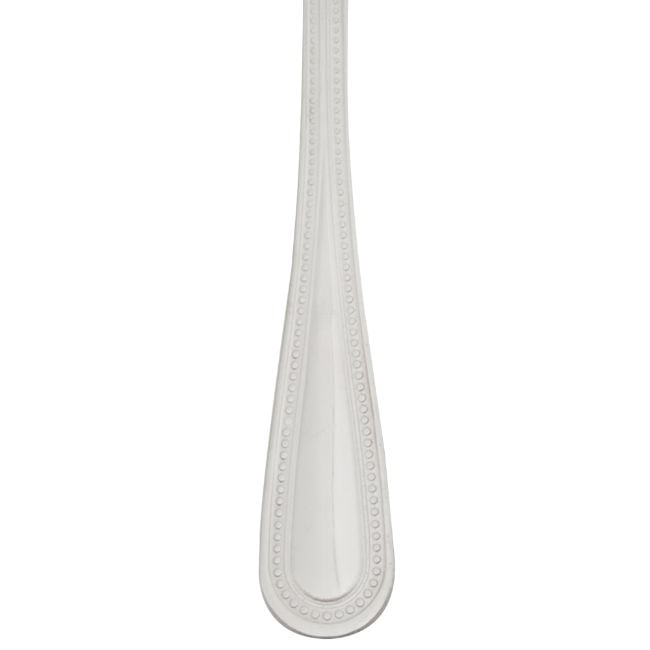
Acopa Milton 18/0
 | Comparison |
|---|---|
10 Strawberry Street | |
ABC | ABC Beaded |
Bon Chef | |
Cardinal | |
Halco-Browne | Halco-Browne Contour |
Libertyware | Libertyware Crosspoint 18/0 |
Oneida | Oneida-Delco Belmore |
Superior Products | Superior Products Harbor |
Sysco | Sysco Winchester and Harbour |
Thunder Group | Thunder Group Jewel |
Update International | Update International Harbor-Lite |
US Foods | US Foods Pebbles |
Vollrath | Vollrath Brocade |
Walco | Walco Colgate Walco Accolade 18/0 |
Winco | Winco Dots |
World Tableware | World Tableware Harbour |
Acopa Tableware | Acopa Milton 18/0 |
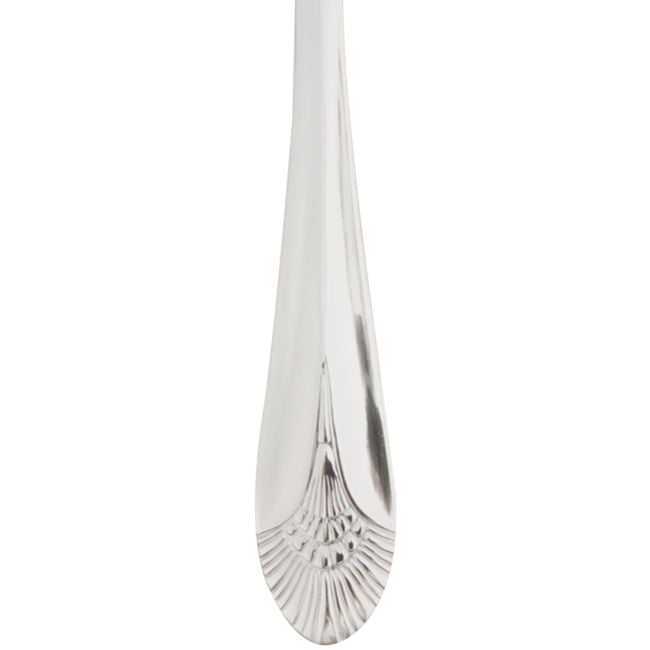
Acopa Monaca 18/10
 | Comparison |
|---|---|
10 Strawberry Street | |
ABC | ABC Metropolis |
Bon Chef | Bon Chef Nile
|
Cardinal | |
Halco-Browne | |
Libertyware | |
Oneida | Oneida-Delco New York |
Superior Products | Superior Products New York |
Sysco | |
Thunder Group | |
Update International | Update International Marquis |
US Foods | US Foods Riverside |
Vollrath | |
Walco | Walco Art Deco |
Winco | Winco Peacock |
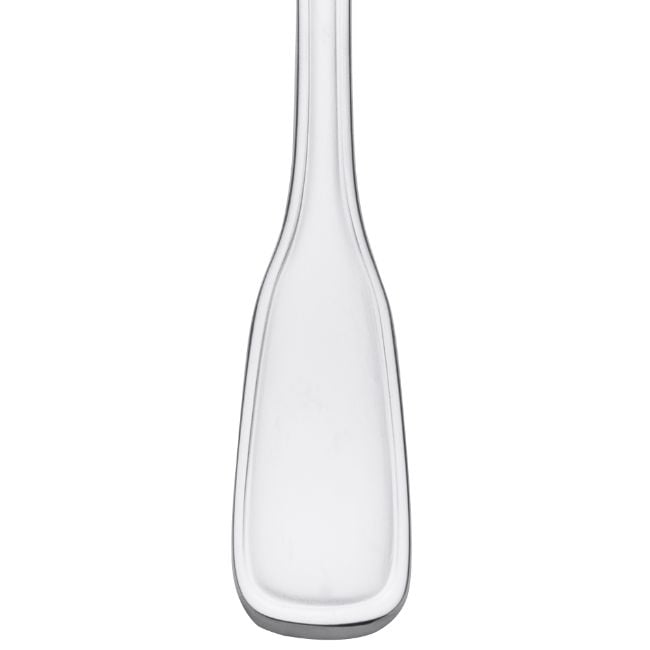
Acopa Saxton 18/0
 | Comparison |
|---|---|
10 Strawberry Street | |
ABC | |
Bon Chef | |
Cardinal | |
Halco-Browne | |
Libertyware | |
Oneida | Oneida Stanford |
Superior Products | |
Sysco | |
Thunder Group | Thunder Group Simplicity |
Update International | Update International Stanford |
US Foods | US Foods Deville |
Vollrath | |
Walco | Walco Saville |
Winco | Winco Oxford |
World Tableware | World Tableware Deerfield |
Acopa Scottdale 18/8
 | Comparison |
|---|---|
ABC | Linda |
Admiral Craft | Concord |
LibertyWare | Rosa Linda |
Oneida | Delco Melinda III |
Royal Industries | Windy City |
Superior Products | Rosa Linda |
Sysco | Rosa Linda |
Thunder | Sunflower |
Update International | Claridge |
US Foods | Rosa Linda |
Vollrath | Thornhill |
Walco | Barclay |
Winco | Elegance |
World Tableware | Brandware Linda |
Acopa Vernon 18/0
| Comparison |
|---|---|
Thunder | Tahoe |
Winco | Elite |
World Tableware | Auberge |
Related Resources

September 2026 WebstaurantStore Coupon Code
Welcome September with fresh savings at WebstaurantStore! As the seasons change and your business prepares for the months ahead, now is a great time to replenish essential supplies and upgrade the equipment that keeps your operation running smoothly. Shop the featured deals below, and enter coupon code COZY26 at checkout to save up to 20% on your purchase. Start the new season with more in your budget and less on your shopping list! Looking to save even more? Check out the new Webstaurant Rewards® Visa Business Card ! Sign up for a new card today and start earning rewards on every WebstaurantStore purchase, and save on a WebstaurantPlus subscription. Use the code COZY26 for the items below to score great deals on restaurant disposables! Fro

Types of Plates
When it comes to choosing plates for your commercial establishment, it's important to consider the different types available. The right type of plate can enhance the presentation of your food and contribute to a positive dining experience for your customers. Whether you're choosing plates for your restaurant or next catered event, use this guide to determine which type of plate and plate size you need based on what you're serving. Shop All China Plates Use the following links to jump to the different plates that interest you most: Dinner Plates Dessert Plates Appetizer Plates Salad Plates Charger Plates Luncheon Plates Bread and Butter Plates How to Choose the Best Plate

Types of Chinaware
Whether you're a restaurant owner , event planner, or caterer , identifying what china to purchase can be difficult. Making the right choice can elevate your serving experience and leave a lasting impression on your guests, while the wrong choice can negatively impact your service. China varies in shape, size, and color, presenting a wide range of options. Continue reading to learn about the different types of china, what sets them apart, and the details to take into account before you make a purchase. Shop All China Dinnerware Use the following links to skip to china information that most interests you: Types of Dinnerware What Is Fine China? What Is Vitrification? How to Store China How to Clean China How Much China Do I Need? China Purch
Join Our Mailing List
Receive coupon codes and more right to your inbox.