
How to Make Hollandaise Sauce
Last updated on Jun 17, 2026Corrinn McCauleyHollandaise is a classic French emulsion sauce that is a versatile and essential addition to any foodservice menu. Its rich, creamy texture and tangy flavor make it a popular choice for breakfast, brunch, and dinner dishes. Operators can use hollandaise sauce to elevate eggs Benedict, asparagus, seafood, and vegetables, adding a touch of elegance and indulgence to their offerings. While mixes work in a pinch, you can turn your business into a sought-after brunch destination by making your hollandaise sauce from scratch.
What Is Hollandaise Sauce?
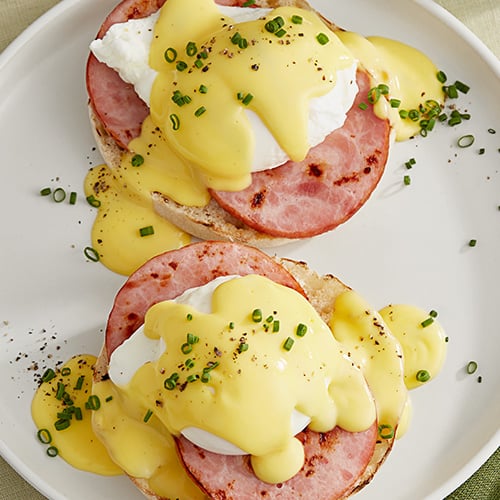
Hollandaise sauce is a combination of butter, lemon juice, egg yolks, dijon mustard, and salt, with some chefs including a little cayenne pepper for a touch of heat. Despite its name, which may suggest Dutch origins, Hollandaise sauce has its roots in France. It was originally named Sauce Isigny, after a small town in Normandy famous for its butter and cream. The exact conception date of Hollandaise sauce is unknown, but you can find early references to Isigny sauce in 19th-century recipe books. While traditional French techniques used clarified butter for hollandaise, most modern chefs use regular melted butter, but some opt for ghee.
Hollandaise was recognized as one of the five French mother sauces by 20th-century chef and culinary writer Georges Auguste Escoffier. It's a versatile sauce commonly paired with eggs, beef, poached fish, grilled seafood, and vegetables like asparagus, artichokes, and broccoli. The appeal of hollandaise sauce lies in its silken texture, buttery scent, and the delicate balance of flavors it brings to a dish when prepared correctly.
What Special Equipment Do I Need?
To make hollandaise sauce, you will need some special equipment to ensure it achieves its signature velvety consistency. By using these essential pieces of equipment and following the proper techniques, you can successfully create a delectable hollandaise sauce to elevate your dishes.
- Commercial Blender: A commercial blender is an optimal piece of equipment for making hollandaise sauce to properly incorporate and airate all ingredients, prevent the eggs from curdling and provide a smooth, creamy texture.
- Fine Mesh Strainer: A fine mesh strainer is useful for removing any lumps or impurities from the sauce, resulting in a velvety smooth finish. After preparing the sauce, pass it through the strainer to ensure a silky texture before serving.
- Thermometer: A thermocouple thermometer is handy for monitoring the temperature of the sauce to prevent it from curdling or splitting. It is important to keep the sauce below 160 degrees Fahrenheit to maintain its emulsified state.
Hollandaise Sauce Recipe
Our easy hollandaise sauce recipe helps you achieve the decadence of timeless French cuisine. With patience and the right tools, hollandaise sauce doesn't need to be intimidating. Use our guide to make homemade hollandaise.
Yield: 4 servings
Total Time: 5 minutes
Hollandaise Sauce Ingredients
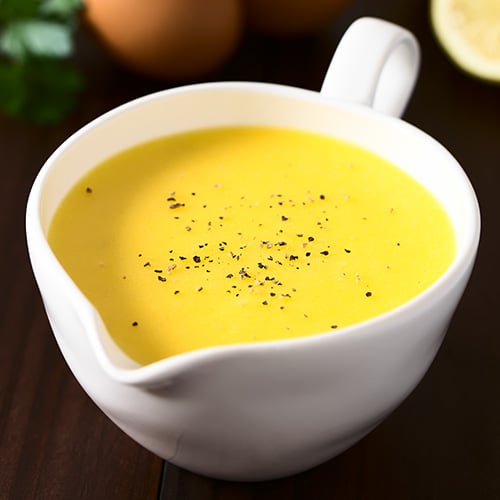
- 3 large egg yolks
- 1 Tablespoon of fresh lemon juice
- 1 teaspoon Dijon mustard butter
- 1/2 cup clarified butter (melted)
- 1/4 teaspoon salt
- Cayenne pepper to taste
Hollandaise Sauce Directions
- In a commercial blender, add egg yolks, mustard, lemon juice, salt, and blend immediately. If the ingredients sit for too long without blending, the eggs could curdle.
- Once the mixture is smooth, keep the blender running at medium speed and remove the center plug from the lid. Slowly and steadily pour in the melted clarified butter, allowing it to emulsify into the mixture as you blend, until fully incorporated. Increase to a higher speed toward the end to help achieve a nappe consistency.
- Season with salt and cayenne pepper to taste, adjusting as needed.
- Note: If hollandaise sauce becomes too thick, whisk in lukewarm water to thin it to your desired consistency.
- Once ready, serve immediately or place it over warm water-filled pot until ready for use.
Hollandaise FAQ
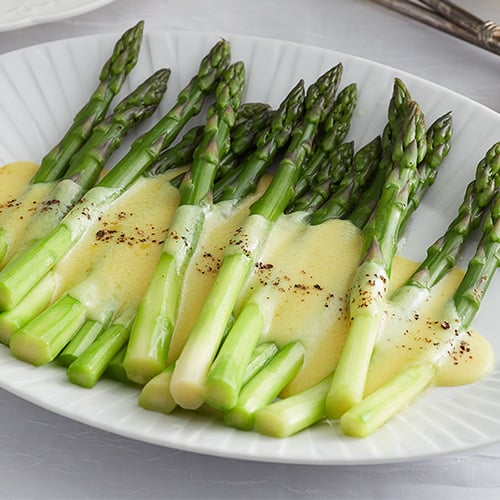
Now that you know what hollandaise sauce is and how to make it yourself, you may still have questions about this classic French sauce. From flavors to allergens, we answer the most frequently asked questions about hollandaise below.
What Does Hollandaise Sauce Taste Like?
Hollandaise sauce has an intensely buttery flavor undercut by a mild tang that is both savory and indulgent. The combination of egg yolks and butter creates a velvety texture that coats the palate, leaving a luxurious mouthfeel. For a refreshing, bright note, hollandaise sauce includes lemon juice to cut through the richness and create a balanced flavor profile. Overall, Hollandaise sauce is prized for its silky texture, savory richness, and subtle tang, making it a versatile and delicious addition to a wide range of dishes in commercial kitchens.
Is Hollandaise Sauce Gluten Free?
Hollandaise sauce is typically gluten-free as it consists of butter, egg yolks, and lemon juice. However, it is crucial to ensure all ingredients are gluten-free and eliminate cross-contamination during preparation. By using gluten-free ingredients and maintaining a clean cooking environment, you can enjoy delicious, gluten-free hollandaise sauce in your commercial kitchen.
Does Hollandaise Have Dairy?
One of the key ingredients in hollandaise sauce is butter, which is a dairy product. Therefore, it is important to note that hollandaise sauce does contain dairy. However, for those looking for a dairy-free alternative, a vegan hollandaise sauce can be made using plant-based butter or margarine. This substitution allows individuals with dietary restrictions to still enjoy the rich, creamy flavor of hollandaise sauce without dairy products.
Bearnaise vs Hollandaise
While both bearnaise and hollandaise sauces are classic French emulsified sauces, they differ in their flavor profiles and ingredients. Hollandaise is made with butter, egg yolks, and lemon juice, resulting in a rich, creamy sauce perfect for eggs Benedict and asparagus. On the other hand, Bearnaise incorporates shallots, tarragon, and white wine vinegar, offering a more complex and herbaceous flavor that pairs well with steak and fish dishes. Both sauces require careful attention to emulsification and temperature control to achieve the desired consistency.
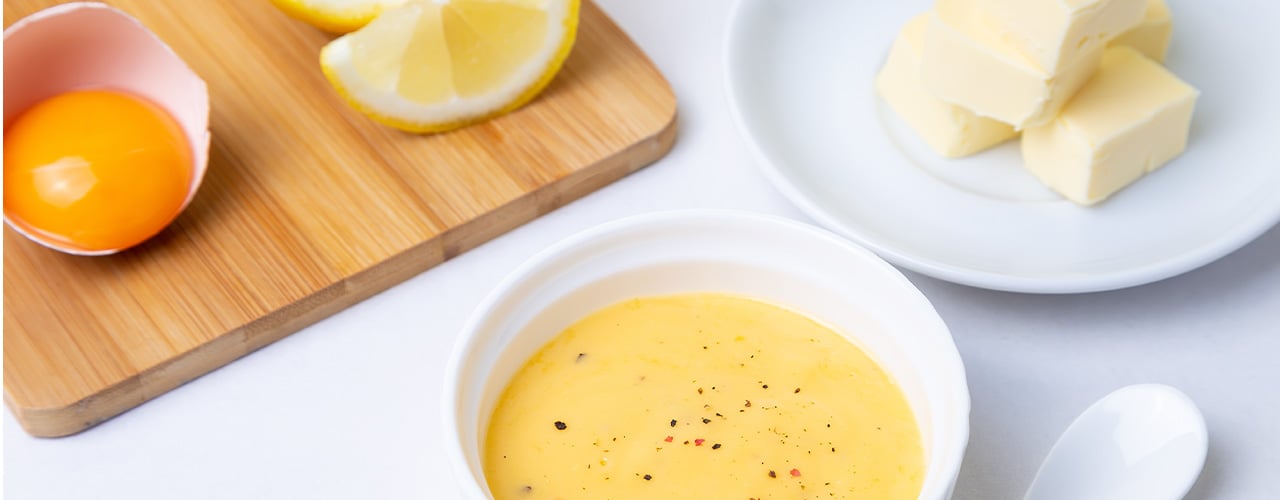
Mastering the art of making hollandaise sauce can greatly benefit commercial operators by enhancing the quality of their dishes and adding a touch of sophistication to their menu offerings. A decadent house-made hollandaise can potentially lead to increased customer satisfaction, positive reviews, and repeat business. By incorporating hollandaise sauce into their culinary repertoire, operators can set themselves apart from competitors and attract a loyal customer base seeking elevated dining experiences.

Corrinn loves writing, researching, and cooking, so she’s grateful she’s gotten to blend these three passions as a longform writer on the content team at WebstaurantStore for 5 years and counting. Creating resources that help operators succeed and lacing them with entertainment to make them smile is her "why".
Learn more about this author and WebstaurantStore's Content Writing Team here!
Related Resources

Ways to Cook Eggs
From baking to boiling, eggs lend themselves to many different cooking methods. They are a versatile, affordable, and nutrient-packed food you can serve solo or as a tasty addition to salads, grits, and sandwiches. Whether you’re considering adding breakfast service or diversifying your weekend brunch menu, we will teach you the different ways to cook eggs and provide serving suggestions for each method. Shop Wholesale Eggs Jump to the egg-cooking method that interests you: 1. Hard Boiled Eggs 2. Soft Boiled Eggs 3. Poached Eggs 4. Scrambled Eggs 5. Sunny Side Up Eggs 6. Over Easy Eggs 7. Baked Eggs 8. Pickled Eggs 9. Omelet 10. Frittata Different Ways to Cook Eggs For a visual demonstration of the different ways you can make eggs, watch the video below: <iframe itemprop="embedURL" width="560" height="315" src="https://www.youtube.com/embed/qS-fK_IW9jc?si=iFqswnBjafWk9TBM?rel=0" frameborder="0" allowfullscreen></iframe> Egg Cooking Styles If you’re going for indulgence, creamy French-style scrambled eggs are divine. Health-conscious patrons often prefer their eggs poached, and those on the pickled food trend enjoy pickled eggs. No matter your preference, discover the nuances between the different egg cooking styles and how to prepare each. 1. Hard Boiled Eggs Hard boiled eggs are eggs that have been cooked in their shells in boiling water until both the whites and the yolks solidify. The result is a firm, fully cooked egg you can enjoy on its own or use in a variety of dishes. Hard boiled eggs are a popular choice for salads, sandwiches, deviled eggs, or as a quick and nutritious snack in school cafeterias. How to Make Hard Boiled Eggs Cooking hard boiled eggs is a straightforward process that requires minimal equipment. Here's a step-by-step guide to help you achieve the perfect hard boiled egg: Prepare Pot: Place eggs in single layer. Do not stack or overcrowd. Add Water: Cover eggs with 1 inch of cold water. Add pinch of salt to water to help prevent cracking and make peeling easier. Boil Water: Place pot on stove over medium-high heat and bring water to rolling boil. Once boiling, reduce heat to low and let eggs simmer for about nine to 12 minutes, depending on desired level of doneness. Prepare Ice Bath: While eggs simmer, fill large bowl with cold water and ice cubes. Transfer Eggs: Once done simmering, carefully transfer eggs to ice bath using slotted spoon or tongs. Let sit in ice bath for at least five minutes. Peel Eggs: Once cooled, gently tap each egg on hard surfaces to crack shells, then peel. Start at wider end to make peeling easier. Hard Boiled Egg Uses Hard boiled eggs are a versatile ingredient that you can use in a variety of dishes. Whether you're looking for a quick and easy snack or a protein-packed addition to your meal, here are some classic and creative ways to use hard boiled eggs: Deviled Eggs: One of the most popular uses for hard boiled eggs is making deviled eggs. Simply cut the eggs in half, scoop out the yolks, mix them with mayonnaise, mustard, and seasonings, and then fill the egg whites with the creamy mixture. Top with paprika or fresh herbs for an extra touch of flavor. Egg Salad: Hard boiled eggs are the star ingredient in egg salad. Chop up the eggs, mix them with mayonnaise, mustard, diced celery, and seasonings, and then spread the mixture onto bread or use it as a filling for wraps or sandwiches. Cobb Salad: Hard boiled eggs are a classic component of a Cobb salad. Slice the eggs and arrange them on a bed of lettuce along with other toppings like bacon, avocado, tomatoes, and blue cheese. Drizzle the dressing of your choice over the salad, and you've got a hearty and nutritious meal. Nicoise Salad: Another salad that features hard boiled eggs is the Nicoise salad. Combine boiled eggs, steamed green beans, cherry tomatoes, olives, and tuna on a bed of mixed greens. Dress it with a simple vinaigrette. 2. Soft Boiled Eggs Soft boiled eggs are cooked in their shells for a shorter duration than hard boiled eggs. The result is a tender white with a slightly runny yolk, perfect for dipping toast points. In fact, soft boiled eggs have earned the nickname "dippy eggs" for this very reason. They’re a great option for those who prefer a milder taste compared to hard boiled eggs. The shorter cooking time results in a less sulfurous aroma, making them a favorite choice for those with sensitive palates. How to Make Soft Boiled Eggs Follow these simple steps to achieve the perfect soft boiled egg with a runny yolk and a tender, yet firm white: Boil Water: Bring pot of water to gentle boil. Add enough water to fully submerge eggs. Add Eggs: Use slotted spoon to carefully lower eggs into boiling water. Handle gently to avoid cracking. Set Timer: For soft boiled eggs with slightly runny yolks, set timer for six minutes. For firmer yolks, increase cooking time by one or two minutes. Prepare Ice Bath: While cooking, add ice water to bowl. Transfer Eggs to Ice Bath: Once timer goes off, carefully transfer eggs from boiling water to ice water bath using slotted spoon. Let sit in ice water to cool down and stop cooking. Peel Eggs: Gently tap eggs on hard surface to crack shells, then peel under cool running water. Soft Boiled Egg Uses Soft boiled eggs are a versatile option for breakfast or brunch. They have a creamy and slightly runny yolk. Here are a few ways you can use soft boiled eggs to elevate your dishes: Grain bowls: Whether you're enjoying a quinoa bowl, a rice-based dish, or a hearty bowl of oatmeal, a soft boiled egg can take it to the next level. The rich yolk adds a creamy element that complements the grains and other ingredients, creating a satisfying and nutritious meal. Ramen: If you're a fan of ramen, adding a soft boiled egg takes it to the next level. Cook your ramen noodles according to the package instructions, then place them in a bowl with your desired toppings. Carefully slice a soft boiled egg in half and place it on top of the noodles. The yolk will mix with the broth, adding a luscious and velvety texture to your soup. Asparagus and Soft Boiled Eggs: Steam or roast asparagus until tender, then transfer them to a serving plate. Place a few halved soft boiled eggs on top and sprinkle with salt, pepper, and a drizzle of olive oil. This combination of fresh asparagus and creamy eggs makes for a delightful side dish or light lunch. Loaded Grits: Upgrade your grits by adding a soft boiled egg. Lay a base of warm, creamy grits into a bowl and add cheese on top so it melts. Then, layer in your other favorite fixings like bacon, sauteed mushrooms, and caramelized onions. Crown your loaded grits with a soft boiled egg, and you've elevated a side dish to a complete meal. 3. Poached Eggs Poached eggs are gently cooked out of their shells in simmering water without any additional fat. This results in a tender and silky white that encases a perfectly runny yolk. They’re low-fat, flavor-rich, and visually appealing. Poached eggs’ delicate nature allows them to seamlessly blend with other ingredients, adding a touch of elegance to any plate. How to Make Poached Eggs Poached eggs are a classic breakfast staple that can elevate any dish with their delicate and creamy texture. If you're wondering how to make poached eggs, we've got you covered. Here's a simple step-by-step guide to help you achieve perfectly poached eggs: Add Water to Saucepan: Fill medium-sized saucepan with 2 to 3 inches of water. Bring to gentle simmer over medium heat. Adding vinegar can help egg whites coagulate faster. Crack Eggs: While water heats, crack fresh egg into small bowl or ramekin. This will make it easier to slide eggs into water. Swirl Water: Once simmering, circularly stir water to create gentle whirlpool. This helps egg whites wrap around yolks, forming neat shapes. Add Eggs to Water: Carefully slide cracked egg into center of swirling water. Whirlpooling motion helps egg whites stay together. If poaching multiple eggs at once, then leave enough space to prevent sticking. Cook Eggs: Let eggs cook undisturbed for three to four minutes for soft, runny yolks or five to six minutes for firmer yolks. Well-done eggs cook for seven to eight minutes. Remove Eggs from Water: Using slotted spoon, gently lift poached eggs out of water. Allow any excess water to drain off. Place poached eggs on paper towel-lined plate to absorb any remaining moisture. For an even easier method, try using a poaching pan to achieve the perfect poached eggs. Poached Egg Uses Whether you're a professional chef or a home cook, there are plenty of ways to incorporate poached eggs into your culinary creations. Here are some popular ways to use poached eggs: Eggs Benedict: This classic breakfast dish features a perfectly poached egg served on top of a toasted English muffin, paired with Canadian bacon, and smothered in rich hollandaise sauce. The combination of the runny yolk, savory bacon, and creamy sauce is simply irresistible. Avocado Toast: Spread mashed avocado on a slice of toasted bread and top it off with a halved poached egg. Sprinkle some salt, pepper, and red pepper flakes for an extra kick. This simple yet satisfying combination is a favorite among foodies. Shakshuka: Originating from North Africa, shakshuka is a flavorful and vibrant dish that features eggs poached in a rich tomato sauce. This spicy and aromatic dish is traditionally seasoned with cumin, paprika, and chili peppers, and it can be further enhanced with ingredients like bell peppers, onions, and garlic. Shakshuka is a versatile option that can be served for breakfast, lunch, or dinner, making it a valuable addition to your menu. Pasta dishes: Poached eggs can be a delightful addition to pasta dishes. Break the poached egg over a plate of pasta, and the yolk becomes a rich and creamy sauce. 4. Scrambled Eggs Scrambled eggs are a breakfast staple. They’re made by cracking a few eggs into a bowl, whisking them together, and then cooking them in a pan until they're soft, creamy, and slightly golden. You can add a splash of milk or cream to the beaten eggs (this is the standard practice in France). Sprinkling in toppings like shredded cheese, diced vegetables, or cooked bacon is a fast and simple way to create a bolder flavor and more complex texture. How to Make Scrambled Eggs If there's one breakfast dish that has stood the test of time, it's scrambled eggs. This simple yet satisfying dish has been a staple in kitchens around the world for generations. Whether you're a seasoned chef or a novice in the kitchen, making scrambled eggs is a skill that everyone can master. Patrons hoping to cut down on their fat intake may order an egg white scramble. To fill their order, you would need to separate the yolks from the whites and discard the yolks before scrambling and cooking the patrons order. Gather Ingredients: For basic scrambled eggs, gather eggs, salt, pepper, and preferred type of butter. Feel free to get creative and add other ingredients like cheese, herbs, or vegetables. Crack and Whisk: Crack eggs into bowl and whisk until yolks and whites are well combined. Whisking incorporates air, resulting in light and fluffy scrambled eggs. For creamier texture, add splash of milk, cream, or nondairy milk. Season to Taste: Season egg mixture with pinches of salt and pepper. Adjust seasonings to suit taste preferences and dietary restrictions. Heat and Butter: Before adding eggs, heat non-stick skillet over medium-low heat. Once warm, add pat of butter and let it melt. Butter not only prevents sticking, but it also adds richness. Pour and Scramble: Once butter melts, pour whisked eggs into skillet. Cook undisturbed until edges set. Then, use spatula or wooden spoon to gently push cooked edges toward center. Allow uncooked portion to flow to edges. Repeat until eggs are mostly cooked but still slightly runny. Finish and Remove Heat: Continue cooking until eggs are fully set or remove from heat while still slightly runny. Editor's Tip: Residual heat will continue cooking eggs after they're removed from pan, so it's best to remove from heat while still runny. Plate and Serve: Transfer perfectly scrambled eggs to plate. If desired, garnish with fresh herbs, grated cheese, or your favorite spices. Serve alongside toast, bacon, or fresh fruit. Scrambled Egg Uses In commercial settings, scrambled eggs find their place in hotel breakfast rooms, restaurants, and cafes. They're a staple in buffets, where they can be prepared in large quantities to cater to a crowd. Scrambled eggs also make a popular addition to breakfast sandwiches, wraps, and burritos, adding a rich and comforting element to these portable morning meals. Discover the top ways to use scrambled eggs: Classic American Breakfast: The most common way to enjoy scrambled eggs is as part of a hearty American-style breakfast. Whip up a batch of fluffy scrambled eggs and serve them alongside crispy bacon, buttered toast, and a side of fresh fruit. It's a timeless combination that will surely satisfy your guests’ morning hunger. Breakfast Sandwiches: Take your breakfast game to the next level by using scrambled eggs as a tasty filling for sandwiches. Layer your scrambled eggs on a toasted English muffin or your favorite type of bagel, and add some melted cheese, breakfast sausage, or sliced avocado. This satisfying handheld meal is perfect for on-the-go breakfasts. Scrambled Egg Tacos: Who says tacos are only for lunch or dinner? Fill soft tortillas with scrambled eggs, diced tomatoes, shredded cheese, and a dollop of salsa or hot sauce for a delicious and protein-packed breakfast option. It's a Tex-Mex twist to start your day with a flavorful kick. Scrambled Egg Stir-Fry: Transform scrambled eggs into a quick and easy stir-fry by adding them to a sizzling hot pan along with your favorite vegetables, such as bell peppers, snap peas, or broccoli. Season with soy sauce, garlic, and ginger for a flavorful Asian-inspired dish that can be enjoyed any time of the day. 5. Sunny Side Up Eggs A type of fried egg, sunny side up eggs are fried on just one side, yielding a sunny, golden yolk nestled in a bed of tender, slightly crispy whites. Whether you prefer your yolk runny or fully cooked, you can easily adjust the cooking time to achieve your desired consistency. And if you're feeling adventurous, you can even experiment with adding different seasonings or toppings to create your own unique twist on this breakfast favorite. How to Make Sunny Side Up Eggs When it comes to cooking sunny side up eggs, it's important to use the right equipment. A non-stick frying pan or a well-seasoned cast-iron skillet will help your eggs slide right out of the pan. And don't forget to add a touch of butter or oil to prevent any potential sticking. Use with Non-stick Pan: To make eggs easy to flip and prevent sticking, use non-stick skillet. Preheat Pan: Before adding oil or butter, preheat non-stick skillet over medium-low heat. This aids even cooking and prevents burning. Add Fat: Once preheated, add small amount of butter or oil. This helps create crispy edges around egg and adds richness. Crack Eggs: Gently crack eggs, one at a time, into small bowl or directly into pan. This prevents shell fragments from entering eggs. Cook over Low Heat: Cooking sunny side up eggs over low heat allows whites to set slowly while keeping yolks runny. Increase heat for firmer yolks. Cover Pan: To help eggs cook evenly, cover pan with lid. This traps heat and creates gentle steam. Steam then helps cook eggs. Set Timer: The cooking time for sunny side up eggs depends on your desired doneness. Generally, it takes about two to three minutes for whites to set while keeping yolks runny. If you prefer firmer yolks, cook eggs for another few minutes. Season to Taste: Just before serving, season eggs with pinches of salt and pepper. For extra flavor, consider sprinkling fresh herbs like chives, basil, or parsley. Sunny Side Up Egg Uses There's something about a perfectly cooked sunny side up egg that can instantly brighten up your morning. With its vibrant, golden yolk and delicately set whites, this classic breakfast staple is a favorite among many. But how exactly do you use sunny side up eggs? Here are a few ideas to get you started: Traditional Breakfast: The most common way to enjoy sunny side up eggs is alongside a hearty breakfast. Pair them with breakfast sausage, biscuits, and a side of cottage cheese with fresh fruit for a well-rounded morning meal that will keep you energized throughout the day. Breakfast Sandwiches: Upgrade your breakfast sandwiches by adding a sunny side up egg. Layer your favorite type of bread with your preferred fillings, then slice a sunny side up egg in half and place it on top. The runny yolk will act as a delicious sauce, adding a burst of flavor to every bite. Hashbrown Bowls: Looking to add some protein to your hashbrowns? A sunny side up egg can do the trick. Simply cook the egg until the whites are set, but the yolk is still runny, and place it on top of your bowl of hashbrowns. The warm, velvety yolk will soften the crispy potatoes as you dig in. Rice and Noodle Dishes: Take your fried rice or Asian noodle stir-fry to the next level with a sunny side up egg. Cook the egg separately and then place it on top of your dish just before serving. Gently break the yolk, allowing it to mix with the other ingredients, creating a delightful sauce that coats every bite. Burgers and Chicken Sandwiches: Give your burgers and sandwiches a gourmet twist with a sunny side up egg. Whether you're building a juicy beef burger or a crunchy fried chicken sandwich, adding a sunny side up egg on top takes it to a whole new level of deliciousness. Back to Top 6. Over Easy Eggs A type of fried egg, an over easy egg is fried on both sides until the white is fully cooked, while the yolk remains runny. When you order over easy eggs at a restaurant, you can expect to receive a plate of eggs with a perfectly cooked, golden-brown exterior. The yolk, when gently pierced, should flow out and add a rich and creamy texture to your meal. You can enjoy them on their own, or use them as a topping for sandwiches, burgers, or salads. The creamy yolk acts as a sauce, adding a burst of flavor to any dish. How to Make Over Easy Eggs Over easy eggs are easy to make! Follow these simple steps to prepare your own: Use Non-stick Skillet: Non-stick skillets prevent eggs from sticking to pan and make them easier to flip. Preheat Skillet: Before adding any oil or butter, preheat non-stick skillet over medium heat. This helps with even cooking and prevents sticking. Add Oil or Butter: Once preheated, add oil or butter to flavor eggs and prevent sticking. Crack Eggs onto Skillet: Carefully crack eggs onto skillet, taking care not to break yolks. Or, crack eggs into separate bowl and then slide onto the skillet. Cook Eggs: Cook eggs undisturbed until whites set but yolks remain runny. This usually takes two to three minutes. Flip Eggs: Using spatula, carefully flip eggs over. Be gentle to avoid breaking yolks. Once flipped, cook eggs for another 30 seconds to one minute to ensure yolks are warmed through but still runny. Remove Heat and Serve: Once cooked as desired, remove eggs from skillet and transfer to plate. Serve immediately while still warm and yolks are runny. Over Easy Eggs Uses You can add over easy eggs to a wide variety of dishes. Here are a few ideas to get you started: Classic breakfast: Over easy eggs are a staple in the classic American breakfast. Serve them alongside crispy bacon, buttered toast, and a side of hash browns for a hearty start to your day. Fried rice: Give your fried rice an Instagram-worthy touch by adding an over easy egg. The yolk mixes with the rice, adding richness and depth of flavor to the dish. Breakfast burritos: Wrap up beans, cheese, and your favorite fillings in a tortilla, and top it off with an over easy egg. The runny yolk acts as a sauce, making every bite deliciously satisfying. Croque Madame: This French classic is a decadent treat that features a ham and cheese sandwich topped with an over easy egg. The yolk oozes over the sandwich, creating a luscious and indulgent dish. 7. Baked Eggs Baked eggs are cooked in the oven, resulting in a light and fluffy texture with a delicate custard-like center. One of the great things about baked eggs is their simplicity. With just a few basic ingredients and minimal preparation, you can create a delightful meal that is sure to impress. Whether you prefer them plain, seasoned with herbs and spices, or loaded with your favorite toppings, baked eggs can be customized to suit your taste. By using cooking spray or a small amount of oil, you can achieve a deliciously baked egg dish without the need for excessive fats or oils. They’re a great option for those who are watching their calorie intake or following a specific diet. How to Make Baked Eggs Whether you're a seasoned chef or a novice in the kitchen, baking eggs is a foolproof way to achieve perfectly cooked, flavorful eggs every time. Follow these steps to make baked eggs: Preheat Oven: Preheat oven to 350 degrees Fahrenheit for even, thorough cooking. Choose Bakeware: Baked eggs can be made in ramekins, muffin tins, or cast-iron skillets. Whatever is used, make sure it's oven-safe and greased to prevent sticking. Crack Eggs: Crack desired number of eggs into chosen bakeware. If using individual ramekins or muffin tins, crack one egg per vessel. If using larger baking dishes, crack all eggs into vessel, but leave enough space between each egg for even cooking. Season to Taste: Sprinkle favorite seasonings over eggs, such as salt, pepper, herbs, or everything bagel seasoning. Experiment with different flavor combinations. Add Extras (Optional): For heartier meals, sprinkle in cooked bacon, diced vegetables, or dollops of pesto. Bake and Monitor: Place baking vessel(s) in preheated oven and bake for 10 to 15 minutes, depending on desired level of doneness. Eggs are ready when whites are set, but yolks are still slightly runny. Serve and Enjoy: Remove eggs from oven and let them cool. Then, serve them as is or pair them with your favorite breakfast sides. Baked Egg Uses You can enjoy baked eggs in many forms. Each offers a unique culinary experience. One popular option is to bake the eggs in individual ramekins, creating an elegant and visually appealing dish. This method allows for easy portion control. Another way to enjoy baked eggs is by preparing them in a casserole dish. This method is perfect for feeding a crowd. Simply crack the eggs into the dish, add any desired mix-ins such as vegetables, cheese, or meats, and bake until the eggs are set to your liking. The result is a hearty and satisfying meal that can be enjoyed by everyone. Let's explore how you can use baked eggs in your culinary endeavors. Individual Baked Eggs: One of the simplest and most popular ways to enjoy baked eggs is by preparing them individually. This method involves cracking an egg into a ramekin or a small, oven-safe dish and baking it until the whites are set and the yolk is still slightly runny. You can customize each dish by adding ingredients like cheese, vegetables, or bacon to create a personalized breakfast experience for your customers. Baked Egg Cups: Prepared in muffin tins, baked egg cups are the perfect portable breakfast. These are essentially baked eggs nestled in a crispy crust made by adding ingredients like bread, tortillas, or bacon to the tin before cracking the egg into it. These cute and compact cups are perfect for grab-and-go breakfasts or for serving at catered events. You can even experiment with different fillings such as spinach and feta or ham and cheese to enhance their flavor. Baked Egg Tarts: If you're looking to elevate your baked egg offerings, consider making baked egg tarts. These elegant and visually appealing treats are made by baking eggs in a tart shell filled with a creamy custard mixture. The result is a delicate and indulgent dish that can be enjoyed as a breakfast item or as a sweet dessert option. Add a sprinkle of herbs or a drizzle of sauce to enhance the presentation and flavor. Pizza Topping: Use baked eggs to transform America’s favorite dinner into a breakfast item. Crack a few eggs directly onto the pizza dough, sprinkle with pizza cheese, add your favorite toppings, and then bake until the egg whites are set, but the yolks are still runny. The result? A unique and flavorful pizza experience like no other. 8. Pickled Eggs Pickled eggs are eggs that have been boiled, peeled, and then soaked in a mixture of vinegar, water, and various seasonings. The vinegar acts as a preservative, giving the eggs a longer shelf life while infusing them with a unique and zesty flavor. Pickled eggs have been making a comeback in recent years, and it's not hard to see why. Not only are pickled eggs delicious, but they also offer a range of health benefits. Eggs are a fantastic source of protein, vitamins, and minerals, making them a nutritious addition to any diet. Plus, the pickling process adds probiotics to the eggs, which can promote a healthy gut and improve digestion. How to Make Pickled Eggs Whether you're running a diner, cafe, or food truck, pickled eggs can be a versatile and eye-catching addition to your menu. If you're feeling adventurous, you can even experiment with different flavors and spices to create your own unique twist on our pickled egg recipe. Some popular variations include adding jalapenos for a spicy kick or using beet juice to make Pennsylvania Dutch red beet eggs, which boast a vibrant pink hue. Gather Ingredients: Use mild types of vinegar like white vinegar or apple cider vinegar. Your picking spices can include herbs and spices like dill, mustard seeds, peppercorns, and bay leaves. Pickling salt is essential for both flavor and preservation. To add extra kick, include sliced onions, garlic cloves, or chili peppers. Prepare Eggs: Hard-boil eggs and let cool completely. This ensures eggs are firm and easy to handle. Once cooled, peel. Create Pickling Liquid: In saucepan, combine vinegar, pickling spices, salt, and any optional additions. Bring to boil, then reduce heat and simmer for 10 minutes. Pickle Eggs: Carefully place eggs into clean glass jar or container with tight-fitting lid. Pour hot pickling liquid over eggs until fully submerged. Let eggs cool to room temperature, then cover and refrigerate for at least 24 hours. Extending pickling time increases flavor. Pickled Egg Uses Looking to add a tangy twist to your egg dishes? Zesty pickled eggs elevate culinary creations and impress your customers. Whether you run a restaurant, cafe, or food truck, incorporating pickled eggs into your menu offers a unique and flavorful experience. Deviled Eggs with a Twist: Take your classic deviled eggs to the next level by using pickled eggs as the base. The tanginess of the pickling brine adds a delightful kick to the creamy filling. Garnish with a sprinkle of paprika or fresh herbs for an eye-catching presentation. Pickled Egg Salad: Replace traditional hard-boiled eggs in your egg salad recipe with pickled eggs. Their vibrant colors and tangy flavor will take your salad to new heights. Mix them with mayonnaise, mustard, diced celery, and your favorite seasonings for a zesty twist on a classic dish. Pickled Egg Appetizers: Impress your guests with pickled egg appetizers. Skewer pickled eggs alongside other ingredients like olives, cheese cubes, or cherry tomatoes for a trendy portable charcuterie appetizer. Pickled egg slices also go perfectly on a classic charcuterie board. Pickled Egg Relish: Turn your pickled eggs into a relish that can be used to enhance various dishes. Finely chop pickled eggs and mix them with diced onions, pickles, and a touch of mayonnaise. This relish can be used to top hot dogs and burgers, or as a condiment for sandwiches. Pickled Egg Bruschetta: Give the classic Italian bruschetta a unique twist by adding pickled eggs to the mix. Top toasted baguette slices with a layer of pickled egg slices, diced tomatoes, fresh basil, and a drizzle of balsamic glaze. The combination of flavors and textures will leave your customers wanting more. 9. Omelet An omelet is a versatile dish made from beaten eggs that are cooked and folded over the chef's chosen fillings. The eggs are typically whisked together with a splash of milk or cream, seasoned with salt and pepper, and then cooked in a hot skillet with a little bit of butter or oil. As the eggs cook, they form a light and fluffy base that encases the fillings. From meats and cheeses to vegetables and sauces, you can fill omelets with just about anything your heart desires. For a delicious way to reduce food waste, considering making an omelet special each day loaded with the leftover ingredients from your other recipes. How to Make an Omelet One of the most versatile and delicious ways to cook eggs is by making an omelet. This classic dish can be enjoyed for breakfast, brunch, or dinner. Here's how you can whip up a perfect omelet: Start with Eggs: Two to three large eggs makes standard-sized omelets. Crack eggs into bowl and whisk until yolks and whites are well combined to produce light and fluffy omelets. Season Eggs: Add pinches of salt and pepper to beaten eggs. Or, experiment with other herbs and spices like chives, parsley, or paprika. Preheat pan: Heat non-stick skillet or omelet pan over medium-high heat. Add butter or oil to prevent sticking. Pour Eggs into Pan: Once hot, pour beaten eggs into pan. Use spatula to gently push cooked edges towards center, allowing uncooked eggs to flow outward. This technique helps create uniform and well-cooked omelets. Add Fillings: Sprinkle favorite fillings over one-half of omelet. Popular options include grated cheese, diced vegetables, and cooked meats. Overstuffing makes folding difficult. Fold and Finish Cooking: Once eggs are mostly set but still slightly runny on top, use spatula to fold empty half of omelet over fillings. Press gently to seal. Continue cooking for another minute until set and fillings are heated through. Serve and Enjoy: Carefully slide omelet onto plate and garnish with fresh herbs or cheese. Serve it hot with toast, fresh fruit, or salad. Types of Omelets When it comes to cooking eggs, there's nothing quite as versatile and delicious as an omelet. With a fluffy texture and endless filling options, omelets are the perfect canvas for creating a meal that suits your taste buds. Let's dive into the world of omelets and explore some of the most popular types: Cheese Omelet: Sometimes, simplicity is key. A cheese omelet is a timeless classic that's loved by many. Whether you prefer cheddar, Swiss, or mozzarella, the melted cheese adds a creamy and indulgent element to the dish. Pair it with some crispy bacon or a side of toast for a satisfying breakfast or brunch experience. Spanish Omelet (Tortilla Espanola): Provide guests with a taste of Spain by offering the Spanish omelet, also known as Tortilla Espanola. This omelet is made with eggs, potatoes, onions, and sometimes even chorizo. The result is a hearty and flavorful dish that can be enjoyed hot or cold. Serve it as a tapas-style appetizer or as a main course with a side salad for a truly authentic experience. Ham and Cheese Omelet: If you're a fan of the classic combination of ham and cheese, this omelet is for you. Simply whisk together some eggs, fold in diced ham and your favorite type of cheese, and cook it to fluffy perfection. The gooey cheese and savory ham create a delightful flavor explosion that will leave your guests craving more. Veggie Omelet: If you're looking to pack in some extra nutrients, a veggie omelet is the way to go. You can get creative with your choice of vegetables, but some popular options include bell peppers, onions, mushrooms, spinach, and tomatoes. Add some grated cheese for extra flavor and protein. This omelet is a fantastic way to start your day on a healthy note. Southwestern Omelet: Spice things up with a Southwestern omelet. This variation typically includes ingredients like diced green chilies, black beans, corn, and shredded Mexican cheese. Top it off with some fresh salsa or a dollop of sour cream for an extra kick. This omelet is perfect for those who enjoy a little heat in their breakfast. 10. Frittata A frittata is an Italian-style egg dish that resembles a crustless quiche. It is made by whisking together eggs with various ingredients such as vegetables, meats, cheeses, and herbs, cooking it on the stovetop until the edges are set, and then transferring it to the oven to finish cooking. The result is a hearty, satisfying dish that can be enjoyed for breakfast, lunch, or dinner. Frittatas are not only delicious when served hot, but they can also be enjoyed cold or at room temperature, making them a great option for catered event menus. They can be sliced into wedges or squares and served as a main course or cut into smaller pieces and served as appetizers. How to Make a Frittata Looking for a versatile and delicious way to cook eggs? Look no further than the frittata! This Italian dish is a fantastic option for breakfast, brunch, or even dinner. With its simple preparation and endless flavor combinations, the frittata is sure to become a go-to recipe in your kitchen. Follow these steps to make a frittata: Gather Eggs: Standard-sized frittatas require eight to 10 eggs. Beat eggs in bowl until well combined, and season with salt and pepper to taste. Choose Fillings: Get creative with fillings. Some popular choices include spinach, mushrooms, bell peppers, onions, bacon, sausage, feta cheese, and fresh herbs like basil or parsley. Possibilities are endless, so mix and match according to taste preferences. Saute Fillings: Saute fillings before adding them to egg mixture. This step enhances flavors and cooks off any excess moisture. Simply heat oil or butter in 12-inch oven-safe skillet over medium heat, then add chosen vegetables or meats. Cook until they're tender and slightly browned, then remove from heat and let cool. Combine and Pour: Once fillings have cooled slightly, add them to bowl of beaten eggs. Gently fold everything together until well combined. Add some grated cheese if desired. Cook on Stovetop: Reheat skillet over medium heat. Add oil or butter to prevent sticking. Evenly pour egg mixture into skillet. Let it cook undisturbed until edges start setting. Finish in Oven: Once edges set, transfer skillet to preheated oven. Bake frittata at 400 degrees Fahrenheit for about 15 to 20 minutes, or until center is set and top is golden brown. Serve and Enjoy: Remove from oven and let cool. Slice into wedges and serve warm or at room temperature. Serve with side salads or crusty bread. Types of Frittatas Frittatas are a versatile and delicious way to cook eggs. Whether you're looking for a quick and easy breakfast, a satisfying brunch option, or an elegant dinner, frittatas have got you covered. With so many variations to choose from, there's a frittata to suit every taste. Here are some types of frittatas that you can try: Italian Frittata: Take your taste buds on a trip to Italy with an Italian-inspired frittata. This flavorful variation often includes ingredients like sun-dried tomatoes, basil, DOP cheese, and Italian sausage. The combination of these ingredients creates a burst of Italian flavors that will transport you straight to the streets of Rome. Mediterranean Frittata: Fill this frittata with ingredients like feta cheese, olives, and sun-dried tomatoes to give your guests a taste of the Mediterranean. Garnish with fresh herbs like oregano and basil, and drizzle some extra virgin olive oil over the top. Smoked Salmon and Dill Frittata: Elevate your brunch game with this elegant frittata. The combination of rich, smoky salmon and fragrant dill creates a flavor profile that is sure to impress. This frittata is perfect for special occasions so consider adding it to your Mother’s Day brunch menu. Bacon and Cheddar Frittata: If you're a fan of the classic combination of bacon and cheddar, this frittata is for you. The salty, crispy bacon and the creamy, melted cheddar cheese take this frittata to a whole new level of deliciousness. It's a crowd-pleaser that will have everyone coming back for seconds. Mushroom and Gruyere Frittata: Earthy mushrooms and nutty Gruyere cheese come together in this sophisticated frittata. The combination of flavors creates a savory and rich dish that is perfect for a cozy dinner or a brunch gathering with friends. Experimenting with different egg cooking styles can help you expand your culinary skills and repertoire. Next time a guest asks for an egg cooking style you’re not familiar with, reference our guide to fulfill their order. Or use our serving ideas to create fun and creative new dishes.

Butter, Margarine, and Plant Butter: What's the Difference?
Many people confuse butter, margarine, and hydrogenated oils like shortening because they seem so similar. In reality, each has its positives, drawbacks, and specific uses, making them unique from each other. Learn all about these cooking fats, when it’s okay to substitute, and how you can use plant butter when cooking. Shop All Butter, Margarine, and Butter Spreads Click below to discover more about the unique aspects of butter, margarine, and plant butter. Margarine vs Butter What Is Butter? What Is Margarine? What Is Plant Butter? Cooking and Baking with Butter, Margarine, and Plant Butter Margarine vs Butter The main difference between butter and margarine is that butter is made from dairy and margarine is made of refined vegetable oil and water. Margarine is also considered to be slightly healthier than butter because it contains less cholesterol and has important nutrients like omega-3 and omega-6 fatty acids. What Is Butter? Butter is a dairy product made from churned cream. Butter has a rich, smooth mouthfeel and potent flavor, making it a great fat to use in cooking. In terms of popularity, butter is the most common fat used in cooking, and can be used to make anything from desserts like cakes to savory foods like soups. What Is Butter Made of? Butter is made by churning cream to pull apart the liquids from the solids, separating the butterfat from the buttercream. Cow’s milk is usually used to create butter products, especially in North America and Europe. However, there are other varieties of butter you can use such as goat butter and sheep butter. Is Butter Unhealthy? The healthiness of butter has long been a hot-button topic, especially with the ingredient’s prevalence in our diets. Butter is high in both calories and fat, meaning it can contribute to heart disease. Although butter may be delicious, its unhealthy properties mean it's probably best used in moderation. What Is Margarine? Margarine is a type of vegetable-based spread used during baking and cooking. It was initially created in France and has been used all over the world ever since. While butter and margarine are nearly identical in consistency and use, margarine is slightly healthier based on calories, fat, saturated fat, and trans fat. It is also made up of additional healthy fatty acids and small traces of vitamins. When baking low-calorie recipes, try using light margarine or margarine butter with phytosterols, the plant version of cholesterol, because those two types have a lower calorie count. Is Margarine Vegan? Yes, many brands of margarine are vegan and vegetarian friendly. However, some brands include animal products like milk or whey. If you want to make sure the margarine is suitable for those with a dairy restriction, look for a certified vegan label on the package. This means the product is completely free of dairy products. Is Margarine Healthy? Margarine is made from vegetable oils, meaning it contains “good” unsaturated fats and no cholesterol. However, some margarine contains trans-fat which is even worse for your body than the saturated fats in butter. In terms of caloric density, margarine ranges from having slightly fewer calories than butter to containing the same. As a result, you’ll find that quality margarine may be slightly healthier than butter, but calling margarine a healthy food overall is a big stretch. What Is Plant Butter? Plant butter is a dairy-free and gluten-free butter made with plant-based oils from olives, avocados, and almonds. With an increase in alternative diets like vegetarianism, veganism, and gluten intolerance, plant butter is a healthy non-dairy substitute for normal butter. Plant Butter vs Margarine Plant butter and margarine seem very similar to each other, but the key difference is that margarine may still contain slight traces of dairy products. On the other hand, plant butter is completely free of any animal products. Outside of this one difference, there are no other key discernable features between the two. Plant Butter vs Butter The key difference between plant butter and regular butter is that plant-based butter is made by combining water with a plant-derived oil, while its counterpart is made from animal products. In terms of nutritional value, plant-based butter has some positives in that they contain less cholesterol than normal butter, but are just as dense calorically. Plant butter also contains more coloring and artificial flavoring than dairy butter. Is Plant Butter Healthy? Many people assume that since plant-based butter is vegan they are healthy, but that isn’t always the case. Plant-based butter still contains a large number of saturated fats which are bad for your body. As a result, plant-based butter isn’t considered a healthy food and is only marginally healthier than typical dairy butter. Cooking and Baking with Butter, Margarine, and Plant Butter Even though butter, margarine, and plant butter all have slightly different ingredients, you can still cook and bake with all three equally. The taste will not differ too much, but the texture of the food may change a little. Use plant butter or margarine to cook eggs, vegetables, or your famous cookies, just like you would use butter. When baking with butter, much like when baking with lard, your food will have a nice golden color because the butter allows the food to brown when cooked. Margarine and plant butter, on the other hand, don’t provide as nice of a golden color, but they still give food and baked goods the same buttery crunch. With all of this newfound knowledge of butter, margarine, and now plant butter, you can confidently cook and bake delicious food based on your preferences. Try a beloved recipe and substitute plant butter for regular butter or butter for margarine to see if there’s a difference. You might find a new favorite butter alternative!

Breakfast Foods Around the World
Here in the United States, the word breakfast instantly summons up images of our favorite comfort foods. Maybe you envision waffles covered in butter and syrup, crispy bacon, and fluffy scrambled eggs. If that's not your speed, you might think of avocado toast, overnight oats, and a green smoothie as the ideal breakfast. Even if it's just a donut and coffee, many of us collectively agree that breakfast is the best meal of the day. Let's take a trip around the world and discover what breakfast foods are enjoyed in other countries. Sweet or savory? Hot or cold? We'll explore a range of foods that will help you serve a breakfast menu that's diverse and globally inspired. https://www.youtube.com/embed/LcrBlBeunDg?si=eC6K0NDsptDbBh6m Breakfast Around the World Video Watch the video below for a visual overview of the different breakfast cuisines around the globe! <iframe itemprop="https://www.youtube.com/embed/LcrBlBeunDg?si=eC6K0NDsptDbBh6m" width="560" height="315" src="https://www.youtube.com/embed/LcrBlBeunDg?si=eC6K0NDsptDbBh6m" frameborder="0" allowfullscreen></iframe> England: Full English Breakfast The traditional full English breakfast is a large meal that contains an assortment of comfort foods, including eggs, bacon, sausages, black pudding, tomatoes, mushrooms, toast, and of course, baked beans. You might hear this calorie-laden spread referred to as a fry-up or just a full English. It’s the breakfast dish most famously associated with the UK, but it’s too filling for most to be eaten everyday. A typical brekkie eaten by the British is a little bit more modest. You’re more likely to see beans on toast or toast with jam on a normal weekday. But on weekends and special occasions, the red carpet is rolled out for the full English fry-up. It’s a must-try if you visit the British Isles. Australia: Vegemite on Toast There are many types of foods eaten for breakfast in Australia, but there’s one iconic dish that is commonly associated with the Land Down Under. Vegemite on toast is considered a staple comfort food and even a symbol of national pride. This savory dark-brown spread is made with leftover brewer’s yeast, a by-product of the beer industry. It’s a good source of B vitamins and is also suitable for a plant-based diet. The concept of a brown breakfast spread that isn’t peanut butter can be difficult for us to fathom in the United States. Part of the problem could be our heavy-handed application. According to the Australians, the correct way to enjoy Vegemite is to apply an extra-thin layer over buttered toast. Add too much of the thick paste and you will be overwhelmed, which is why this umami-flavored spread is packaged in small bottles. Iceland: Skyr Skyr (pronounced skeer) is a cultured dairy product with a thick creamy consistency and a slightly sour taste. It’s similar to yogurt, but it’s actually considered a type of cheese like ricotta or mascarpone. In Iceland, skyr is a popular breakfast food often paired with porridge and fruit. In the early 2000s, a brand called Icelandic Provisions began marketing skyr in the United States. As a result, you’ll see Icelandic skyr sold alongside yogurt at your local grocery store. The word “skyr” is not trademarked and is considered a generic term like milk or cheese. Italy: Cornetto and Cappuccino If you want to blend in with the locals while traveling through Italy, ignore the other pastries and stick with the classic combo of a cornetto and cappuccino. The name cornetto may be unfamiliar, but when you see this conical golden pastry you will immediately recognize it as the Italian version of a croissant. Pairing coffee with a flakey cornetto pastry is considered a quintessential Italian breakfast. Order your cornetto plain or filled with jam or cream. Enjoy a warm foamy cappuccino and dip the cornetto into your cup before taking a bite. Now post up at a cafe and read the newspaper before starting your busy day. This is an Italian breakfast ritual! France: Tartine There's no shortage of delicious pastries in France, so you might be surprised to hear one of the most common breakfast foods is a simple tartine (or toast). A French tartine isn't the same as a humble piece of toasted white bread here in the United States. This tartine consists of a toasted sliced baguette spread with fresh butter and jam. For breakfast, the tartine might be served with a cup of fresh fruit and hot coffee. Throughout the day, tartines are made with a variety of sweet and savory ingredients, similar to an avocado toast. One thing is certain, breakfast in France is usually considered light and the larger meals are reserved for later in the day. Greece: Koulouri A typical breakfast in Greece might consist of a variety of breads, pastries, fruit, and yogurt. A beloved type of bread that is often consumed for breakfast is the koulouri, nicknamed the Greek bagel. This street food is a large thin bread ring covered in sesame seeds or other toppings. It can be baked until slightly crispy or served soft and warm. The recipe for koulouri dates back to ancient times when this food was sold by street vendors as an affordable option that was filling and nutritious. Koulouri is still enjoyed on-the-go as a quick breakfast in metro areas. Breakfast is enjoyed as a leisurely meal in many parts of Greece, but in Athens, it's common to see commuters with a koulouri in one hand and their favorite coffee in another. Egypt: Ful Medames Egypt is the next country on our tour of breakfast foods, where you'll be served a savory dish of stewed fava beans called ful medames (fool muh-dom-ess). Nicknamed "ful" for short, this fragrant dish is considered the national dish of Egypt. It's a filling combination of mashed fava beans, garlic, cumin, lemon juice, and olive oil. It's sometimes served with hardboiled eggs, chopped tomatoes, or even pickles. Fava beans, also called broadbeans, are a great source of energy and protein, making them a nutritious breakfast food. These types of beans are extra-large and have a meaty texture that becomes creamy and velvety when cooked. Traditionally, ful medames is prepared in large jars and cooked overnight to be enjoyed the next day. Kenya: Uji Porridge In Kenya, a typical breakfast might include boiled sweet potatoes, triangular fried donuts, or a hot porridge called uji (pronounced oo-jee). This porridge is made with the flour of dried grains like millet, sorghum, or maize. After wetting the grains with water, the porridge is left to ferment for 2-3 days to increase its nutritional value. The end product is a thin, creamy porridge that's high in fiber and naturally gluten-free. Some enjoy their uji with milk and honey, extra spices, or peanut butter. You simply must wash down your uji porridge with a steamy cup of chai tea if you want the true Kenyan breakfast experience. Mexico: Chilaquiles You've probably heard of huevos rancheros, but there's another tasty Mexican dish that's also considered a breakfast staple. Chilaquiles (pronounced chee-luh-kee-layz) is a favorite comfort food that is comprised of tortilla chips softened with red or green salsa and covered in a range of toppings like cheese or avocado. You can serve chilaquiles with fried eggs, refried beans, or other proteins for a filling and nutritious breakfast. Chilaquiles is an easy dish to prepare and a convenient way to use up leftover ingredients like tortilla chips. The dish can be customized with your favorite add-ons to make a savory and satisfying way to break your fast in the morning. Brazil: Pao de Queijo For breakfast in Brazil, you're very likely to be served a basket of pillowy cheese-filled rolls called pao de queijo. If you want to sound like a native Brazilian, the correct pronunciation for these tasty morsels is POWN-jee-kay-zhu. The famous Brazilian cheese bread is made with tapioca flour, cheese, eggs, milk, and olive oil. Slightly crisp on the outside with a gooey cheesy center, these rolls are traditionally made with Minas cheese. This semi-soft cheese is produced in Brazil and has a mild, salty flavor. It can be difficult to source this cheese outside of Brazil, so if you're trying to replicate pao de queijo, a combo of queso fresco, parmesan, and cheddar can do the trick. Vietnam: Pho Thanks to the proliferation of delicious global cuisine, many Americans are familiar with the merits of this savory, spicy noodle dish. You can usually find a hot bowl of pho (pronounced fuh) at a neighborhood noodle shop near you. In Vietnam, where this dish originates, it's often eaten first thing in the morning. If you walk down the streets of a Vietnamese city like Hanoi in the early hours, you'll see steaming bowls of pho being sold in open-air shops. These vendors have already been working hard through the night to source their fresh ingredients and simmer their soups to perfection before the 6 AM crowd arrives. Hot soup for breakfast is a common ritual in the tropical climate of Vietnam because the temperature is lower in the morning. Japan: Steamed Rice, Miso Soup, and Grilled Fish The Japanese people believe in creating balance in many aspects of life, and breakfast is no different. You won't be surprised to learn that there is a formula for creating the perfectly balanced breakfast in Japan. One bowl of rice, one bowl of soup, one main dish, and two side dishes is a common traditional Japanese breakfast. Steamed rice and miso soup are usually accompanied by a grilled piece of fish, a rolled omelet, pickled vegetables, and a dish of fermented soybeans called natto. Unlike our fluffy three-egg omelets in the US, a Japanese omelet is delicately rolled to achieve fine layers. It has a silky texture and slightly sweet flavor as a result of the addition of mirin wine. Korea: Banchan The last stop on our breakfast tour of the world is South Korea, which is fitting because breakfast doesn't really exist in this country. South Koreans eat the same foods in the morning that they eat for any other meal, which is usually a collection of side dishes called banchan (pronounced pan-chan). But don't be disappointed because eating banchan is a genius way to squeeze all of your favorite foods into one meal. The typical morning meal in South Korea consists of a bowl of steamed rice, a soup or stew, and several banchan on the side. There are many types of banchan, but here are a few of the most popular: kimchi, spicy cucumbers, soybean sprouts, stir-fried spinach, glass noodles, scallion pancakes, or stir-fried anchovies. Now that you've taken a delicious trip around the world to explore breakfast traditions in different countries, it's time to bring that culinary inspiration back to your own kitchen. By incorporating flavors and dishes from various cultures, you can revamp your breakfast menu and offer customers a truly unique dining experience.