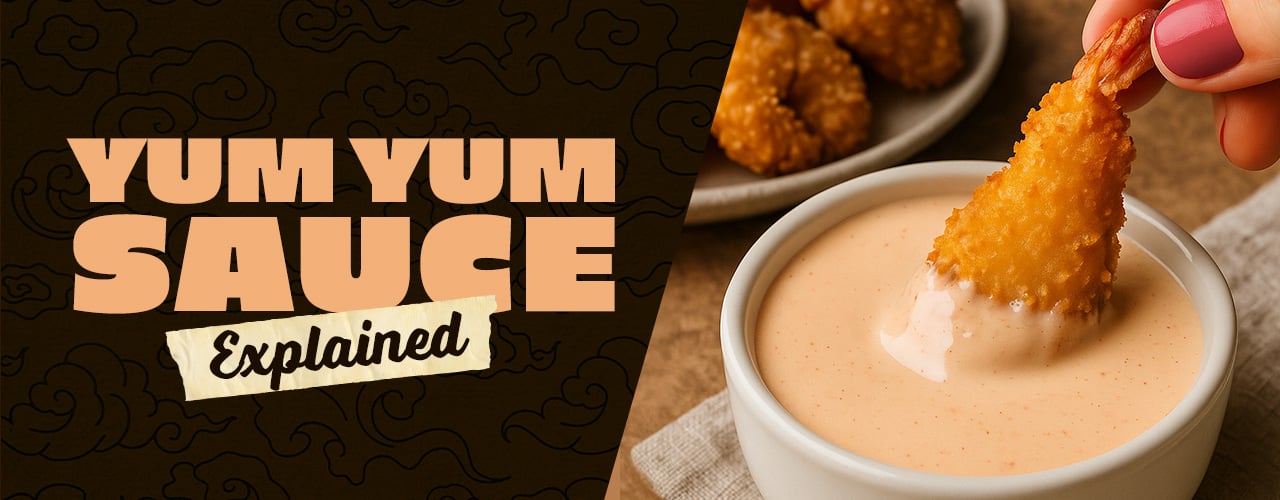
Yum yum sauce, also known as Japanese white sauce or shrimp sauce, is a popular Asian condiment that has gained widespread recognition in Japanese hibachi-style restaurants across the United States. Made from a base of mayonnaise, tomato paste, sugar, and a blend of seasonings, yum yum sauce offers a creamy texture with a hint of spice. This tangy, and slightly sweet sauce is an ideal dipping sauce for sushi, grilled meats, seafood, and vegetables, making it a favorite among diners of all ages.
Shop All Asian SaucesWhat Does Yum Yum Sauce Taste Like?
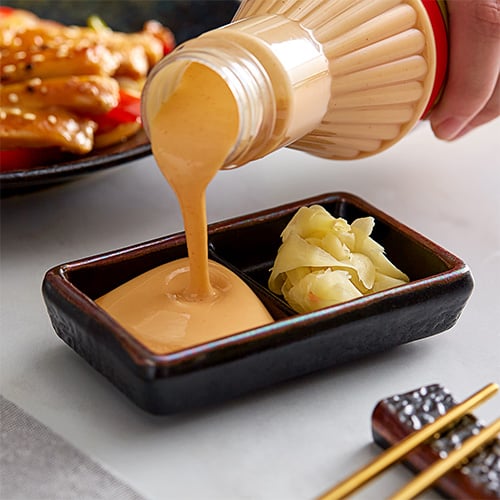
Yum yum sauce is known for its unique blend of flavors that create a harmonious taste profile. The sauce is characterized by its creamy texture and a balance of sweet and savory flavors. The primary taste of yum yum sauce is a combination of mayonnaise and tomato paste, which gives it a creamy and tangy flavor. Additionally, the sauce is often seasoned with garlic powder, paprika, and sugar, adding depth and complexity to its taste.
Many recipes also include soy sauce, hot sauce, sriracha, and rice vinegar for added umami richness. This provides a savory depth to the sauce that complements a wide range of dishes, from seafood to grilled meats. The sweetness of yum yum sauce is subtle but present, creating a well-rounded flavor profile that appeals to a broad audience.
Best Foods Pairings for Yum Yum Sauce
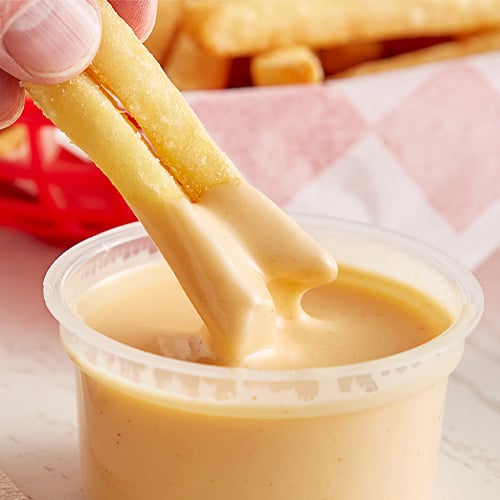
The smooth texture and tangy flavor of yum yum sauce make it a perfect accompaniment for a wide range of foods. Here are some of the best food pairings for yum yum sauce:
- Tempura: The rich and slightly sweet flavor of the sauce complements the light and crispy texture of tempura-battered vegetables, shrimp, or other proteins.
- Hibachi Grilled Meats: Yum yum sauce is a staple at hibachi restaurants, where it is served alongside grilled meats such as chicken, steak, and shrimp. The savory profile of the sauce enhances the smoky charred flavors of the grilled meats.
- Sushi: Whether drizzled over a California roll or used as a dipping sauce for sashimi, the creamy texture and hint of spice in yum yum sauce add a unique twist to traditional sushi flavors.
- Fried Rice: Mix yum yum sauce into fried rice to add a smooth texture and slight zest to this popular dish. The sauce blends well with the flavors of fried rice, creating a unique and satisfying combination.
- French Fries: Yum yum sauce is a delicious alternative to ketchup or mayonnaise when it comes to dipping french fries. With mayonnaise as its base, the spices in this Asian sauce bring a new dimension of flavor to this classic side dish.
- Tacos: Use yum yum sauce as a topping for different types of tacos in place of sour cream and taco sauce. Whether drizzled over fish tacos, chicken tacos, or vegetarian options, the sauce provides a burst of flavor that elevates the taco experience.
- Sandwiches and Wraps: Elevate your sandwich and wrap menu by offering yum yum sauce as a spread or dipping sauce. Its texture and balanced flavors make it a versatile condiment that can enhance the taste of a variety of sandwich fillings, from grilled chicken to veggies.
- Grilled Vegetables: Serve yum yum sauce as a dipping sauce for grilled vegetables, such as zucchini, bell peppers, and mushrooms. The sauce adds vibrancy to the vegetables, making them even more enjoyable to eat.
Yum Yum Sauce Ingredients
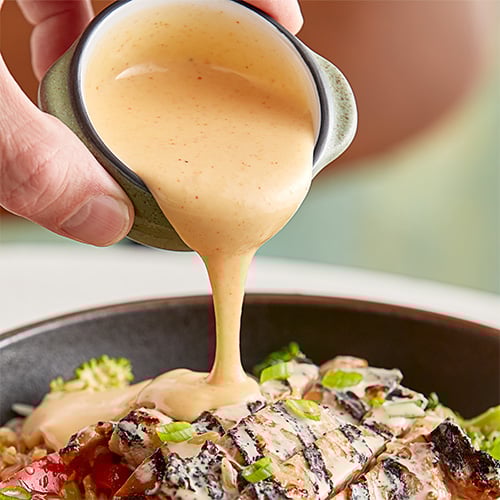
Yum yum sauce can be prepared with simple ingredients you may already have in your kitchen, making it an easy condiment to add to your menu. The following are the main yum yum sauce ingredients you’ll need:
- Mayonnaise: The base of yum yum sauce is mayonnaise. This rich ingredient provides the sauce with its smooth texture and helps bind the other flavors together.
- Tomato Paste: Adding depth and a hint of sweetness, tomato paste is a key ingredient in yum yum sauce. It contributes to the sauce's vibrant color and enhances its overall flavor profile. If you don’t have tomato paste, ketchup can be used as a substitute.
- Sugar: A touch of sweetness is essential in yum yum sauce to balance out the savory and tangy elements. Sugar helps round out the flavor profile and creates a harmonious taste experience.
- Rice Vinegar: Rice vinegar provides a slightly acidic note to yum yum sauce. It adds brightness to the sauce and helps cut through the richness of the mayonnaise. Use slightly less rice vinegar in your sauce if substituting ketchup for tomato paste.
- Soy Sauce: To introduce umami and a savory depth of flavor, soy sauce is a common ingredient in yum yum sauce. It enhances the overall taste of the sauce and complements other ingredients, creating a robust flavor profile.
- Garlic Powder: Garlic powder contributes a distinct savory note and enhances the overall complexity of the sauce.
- Paprika: Paprika not only lends a subtle smokiness to yum yum sauce but also enhances its visual appeal. It adds a pop of color and a mild flavor that complements the other ingredients in the sauce.
- Water: Water is used to adjust the consistency of yum yum sauce to achieve the desired thickness. It also helps blend the ingredients together smoothly, ensuring a cohesive texture.
- Sriracha: Offering an optional spicy kick, sriracha can bring heat and a bold chili flavor to the yum yum sauce, creating a perfect blend of savory, sweet, and spicy notes.
Yum Yum Sauce FAQs
Now that you’re familiar with this popular Asian-style condiment, here are some of the common questions asked about yum yum sauce.
Yum Yum Sauce Origin
Despite being a popular condiment in Japanese cuisine, yum yum sauce does not have Japanese origins; it was actually created in the United States. The exact origins of the sauce are unclear, but it is believed to have been developed in the Southeastern region of the U.S. in the mid-20th century in Japanese hibachi steakhouses. Its creamy and tangy flavor profile has made it a favorite among diners and a versatile accompaniment for a variety of dishes.
Yum Yum Sauce vs Spicy Mayo
Yum yum sauce and spicy mayo are both pale orange in color, but are distinctly different condiments. Yum yum sauce typically consists of mayonnaise, tomato paste, sugar, and seasonings, offering a milder flavor profile. On the other hand, spicy mayo, as the name suggests, incorporates mayonnaise with hot sauce or sriracha, providing a kick of heat. While yum yum sauce is known for its versatility and ability to complement a wide range of dishes, spicy mayo adds a fiery element that can elevate the flavor of sushi, sandwiches, and other dishes.
Bang Bang Sauce vs Yum Yum Sauce
Yum yum sauce and bang bang sauce are two condiments that are often confused. Yum yum sauce blends mayonnaise, tomato paste, sugar, and spices, and is commonly served with hibachi dishes and sushi. In contrast, bang bang sauce, made from a combination of mayonnaise, sweet chili sauce, sriracha, and honey, offers a sweet and spicy kick that pairs well with fried foods like chicken tenders or shrimp. Both sauces add a flavorful punch to dishes, but yum yum sauce leans towards a milder taste profile, while bang bang sauce brings the heat with a touch of sweetness.
Does Yum Yum Sauce Go Bad?
Yum yum sauce does have a shelf life and can go bad if not stored properly. It should be refrigerated after opening and consumed within a few weeks to maintain its freshness and flavor. Be sure to check the expiration date on the bottle and discard any sauce that shows signs of spoilage, such as an off smell or unusual color.
Is Yum Yum Sauce Dairy Free?
Yum yum sauce is typically dairy-free. Made with a base of mayonnaise, sugar, and seasonings, this sauce does not contain dairy products. This makes it a versatile option for those with lactose intolerance or dairy allergies who are looking to add flavor to their dishes.
Whether used as a dipping sauce, a marinade, or a drizzle over dishes to enhance food presentation, yum yum sauce adds a delightful twist to any menu item. Its popularity continues to grow as chefs and consumers alike discover new ways to incorporate this flavorful condiment into their culinary creations.