Whether you're serving them as a stunning side alongside a grilled ribeye or tenderloin, or letting them shine as the main course, grilled lobster tails are a statement on the plate. Their naturally sweet, tender meat takes on a delicious smoky flavor when grilled, making them an alluring seafood menu option for upscale restaurants and BBQ joints alike. In this guide, we'll walk you through how to prepare the tails and grill them to perfection.
Shop All Wholesale Lobster TailsHow to Thaw Lobster Tails
Lobster tails are almost always sold frozen, so here’s how to properly thaw them before grilling:
- Refrigerator method: Place the frozen lobster tails on a sheet pan and refrigerate for 8 to 10 hours.
- Quick thawing method: Submerge the lobster tails in a bowl of cold water for 30 to 60 minutes. Do not use hot water as it can affect the texture.
How to Butterfly Lobster Tails for Grilling

Butterflying is a crucial step in prepping lobster tails for the grill. This technique involves cutting the lobster tail in half lengthwise to expose the meat, promoting even cooking while ensuring a beautiful presentation on the plate. It also allows seasonings and butter to penetrate the meat more easily, enhancing flavor, and allows you to better monitor doneness. Here's a simple, step-by-step guide:
- Place the lobster tail shell-side up (hard shell facing you) on a cutting board.
- Using sharp kitchen shears, cut down the center of the shell, from the wide end to the tail, stopping just before the tail fin. Only cut through the shell and avoid cutting into the meat. Gently spread the shell apart with your fingers to expose the meat.
- Flip the tail over and, using both your thumbs, push down the length of the center to crack the ribs. This will make it easier to detach the meat. Place a towel over the tail to protect your hands from the spikes in the shell before applying pressure to crack.
- Carefully run your fingers or a butter knife underneath the meat to detach it from the shell, stopping at the tail. Keeping the meat attached at the tail end helps prevent it from falling out during grilling. However, it’s important to loosen the meat from the shell beforehand, otherwise, it will stick as it cooks, making it difficult for guests to fully enjoy.
- Look for a dark vein running down the center of the meat - this is the lobster's digestive tract. If present, remove it with a knife.
- Gently lift the meat through the slit in the shell and rest it on top, allowing the shell to close slightly underneath and cradle the meat. This creates an elegant and eye-catching presentation.
Best Way to Grill Lobster Tails

Once your lobster tails are thawed and prepped, it’s time to fire up the grill. Grilling lobster is straightforward, but timing is key - it's just as easy to overcook as it is to get right. Keep a close eye on temperature and watch for visual cues: the shell should turn a vibrant red or orange, and the meat should become opaque and white, no longer translucent.
- Preheat your grill to a medium to medium-high heat (350 degrees to 400 degrees Fahrenheit).
- Brush the lobster with a neutral oil and season with salt, pepper, and any other seasonings to your liking.
- Place the lobster tails abdomen-side down on the grill and close the cover. Cook uninterrupted for about 3-5 minutes depending on the size.
- Baste the lobster with a seasoned butter sauce. To preserve the seasoning, gently drizzle the sauce over the meat with a basting brush rather than applying it directly. Cover the grill and cook for another 3-5 minutes.
- Once the shells have a bright red-orange color and the meat is opaque, begin to check for doneness using a meat thermometer. You’ll want to target an internal temperature of 140 degrees Fahrenheit(60 degrees Celsius).
- Once you’ve hit your target temp, remove the tails from the grill and plate for service.
How Long to Grill Lobster Tails
Lobster tails should be cooked to an internal temperature of no more than 140 degrees Fahrenheit. Beyond that, the meat can become tough and rubbery, as its lean, low-fat composition makes it less forgiving than other proteins. As a general guideline, plan for about 1 to 2 minutes of grill time per ounce of lobster.
Best Seasonings for Lobster Tails
Lobster’s naturally sweet, delicate flavor is beautifully enhanced with a rich butter baste. From bright and citrusy to bold and spicy, the possibilities for seasoning your butter sauce are endless. Explore our curated list of flavorful compound butters, each crafted to complement lobster and inspire your next culinary creation.
- Garlic Herb Butter: A timeless favorite made with rich butter, fresh garlic, parsley, lemon juice, and cracked black pepper. This go-to sauce enhances the lobster’s natural sweetness without overpowering it.
- Smoky Paprika Butter: Infused with smoked paprika, garlic powder, lemon zest, and a touch of cayenne, this sauce adds warmth while enhancing the smoked flavor from the grill.
- Lemon Dill Butter: Light and refreshing, this blend of butter, fresh dill, lemon zest, and shallots brings a bright, citrusy flavor ideal for summer grilling or seafood feasts.
- Cajun Spiced Butter: For a bolder bite, combine butter with Cajun seasoning, garlic, cayenne, and lemon juice. This sauce delivers a flavorful Southern-style heat that pairs beautifully with charred lobster.
- Ginger-Lime Butter: Inspired by Asian flavors, this butter sauce is infused with grated ginger, lime juice, soy sauce, and a hint of sesame oil. It’s vibrant, aromatic, and perfect for a tropical twist.
Lobster Tail Sizes
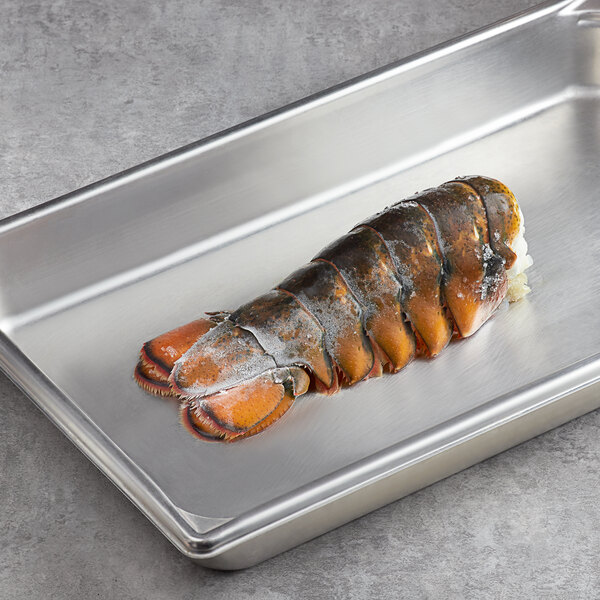
The most common sizes range from 5-12 oz., offering a great balance of tenderness, portion size, and cook time.
Tails between 5-6 oz. are ideal for surf & turf combinations or lighter meals, while 8-10 oz. tails provide a generous single-serving entree size without being overly large. For a more luxurious presentation, 10-12 oz. tails are popular in upscale dining and handle grilling well with proper attention. While smaller tails (3-4 oz.) work best for appetizers and larger tails (14 oz. and up) can impress visually, they require more careful cooking to avoid over- or undercooking.
Grilling lobster tails offers a simple yet elegant way to deliver high-impact flavor with minimal prep, perfect for busy kitchens and elevated menus alike. With proper technique and thoughtful seasoning, lobster becomes a versatile centerpiece or side that impresses guests and maximizes value. As demand for premium seafood grows, sourcing sustainably harvested lobster is more important than ever. When selecting suppliers, it's essential to ensure they adhere to responsible fishing practices - a value increasingly shared by today’s conscientious diners.