Cocktail Sauce Recipe
Last updated on Jan 14, 2026Jason KurtzCocktail sauce is a versatile condiment commonly served alongside seafood. One of the best things about cocktail sauce is its simplicity. With just a few common ingredients that can be found in any commercial kitchen, you can whip up a batch of this delicious condiment in no time. We'll outline what cocktail sauce is, how to make it, and answer frequently asked questions to help you maximize your menu with this iconic condiment.
Shop All Bulk Cocktail SaucesWhat Is Cocktail Sauce?
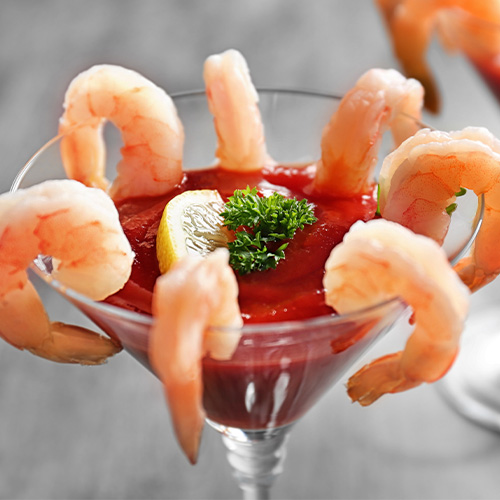
Cocktail sauce is made from ketchup, horseradish, lemon juice, Worcestershire sauce, and select spices. Most people recognize it as the eponymous condiment featured in shrimp cocktail, though it can also be served alongside clams and oysters and select seafood dishes. Whether you're hosting a high-class event or offering casual dining options, it is a must-have on your seafood menu. No matter if you prefer a spicier or milder version, preparing cocktail sauce in-house ensures the quality and freshness of the ingredients.
What Does Cocktail Sauce Taste Like?
Cocktail sauce has a distinctive taste profile that combines sweet, tangy, and sometimes spicy flavors. The tangy notes in cocktail sauce complement dishes with subtle or salty flavors, adding a refreshing zing to each bite. It features an acidic quality, primarily attributed to the presence of vinegar from the horseradish.
How to Make Cocktail Sauce
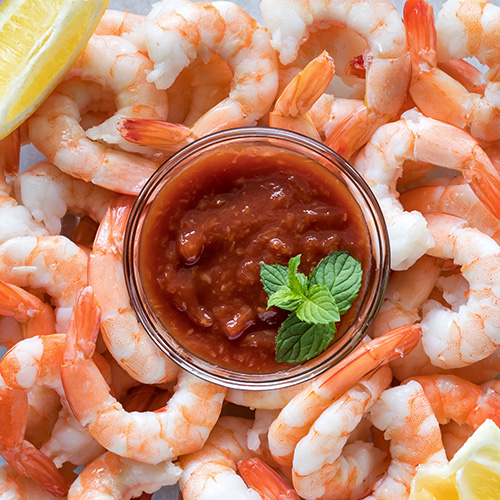
Making your own cocktail sauce allows you to customize the flavor profile to suit your preferences and the dishes you are serving. By following these simple steps, you can create a delicious homemade cocktail sauce that will impress your customers and elevate the dining experience.
Yield: 1 serving
Prep time: 10 minutes
Rest time: 1 hour
Total time: 1 hour 10 minutes
Cocktail Sauce Ingredients
- 1/2 cup ketchup
- 1 Tablespoon horseradish
- 1 Tablespoon lemon juice
- 1/2 Tablespoon Worcestershire sauce
- 1/4 teaspoon black pepper
- 1/4 teaspoon salt
- 1/4 teaspoon hot sauce (optional)
Directions
- Combine ketchup, horseradish, lemon juice, Worcestershire sauce, salt, and pepper in a small bowl and stir until combined.
- (Optional) Stir in hot sauce for added heat.
- Cover the sauce and refrigerate for 1 hour to allow the ingredients to set.
- Serve chilled.
Cocktail Sauce FAQ
While the recipe for cocktail sauce is easy to make, many operators still have questions about it. We'll address some of the most frequently asked questions about cocktail sauce, helping you and your staff prepare and serve this classic accompaniment in the best way possible.
Does Cocktail Sauce Go Bad?
Yes, cocktail sauce will go bad, especially if you don't store it properly. Keep it refrigerated and sealed in an airtight container until use. If you've made cocktail sauce from scratch, it will generally last about 1-2 weeks before you should discard it. Store-bought cocktail sauce can last up to 6 months in the pantry when unopened, but must be refrigerated once opened.
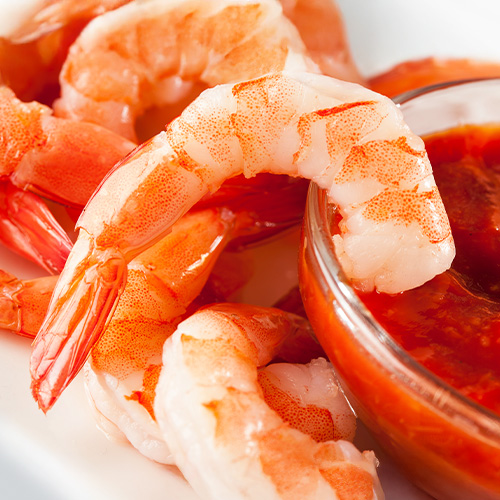
One of the easiest ways to tell if cocktail sauce has gone bad is by examining its appearance. Fresh cocktail sauce is bright red, while spoiled sauce will gradually fade over time. If you notice any discolorations or changes in texture, it's a clear indication that the sauce is no longer safe to consume. Another sign that the sauce is spoiled and should be disposed of is if it emits an overwhelmingly sour or off-putting odor. Trusting your senses when it comes to food safety is crucial to prevent foodborne illnesses.
Can You Freeze Cocktail Sauce?
Yes, you can freeze cocktail sauce, and it is a great way to extend its shelf life for future use. When stored in the freezer, cocktail sauce can last up to 6 months when prepared correctly. Freezing cocktail sauce is particularly advantageous when preparing it in bulk, such as for large gatherings or catered events, ensuring you have enough on hand when needed.
Does Cocktail Sauce Have Alcohol?
No, traditionally prepared cocktail sauce does not contain alcohol. The misconception surrounding the inclusion of alcohol in cocktail sauce likely stems from the fact that it was served in cocktail glasses during the prohibition era, as foodservice establishments were searching for other uses for their glassware.
By making your own cocktail sauce, you can customize the flavor profile to suit your preferences and the dishes you are serving. This iconic condiment is found in foodservice operations across the globe and is a staple on countless menus. As such, understanding what it is, how to serve it, and how to make it is essential for foodservice operators.
Related Resources

Seafood Cooking Temps
Seafood is a staple on many menus, but can be intimidating to prepare. Due to their short muscle fibers, seafood is easily overcooked. However, in an attempt to prevent rubbery and dry dishes, seafood can end up undercooked, leading to potential risks like foodborne illnesses. By knowing and adhering to the recommended cooking temperatures, chefs can choose the best seafood for their restaurant and maintain the integrity of its flavor, texture, and overall quality while keeping their diners safe. Shop All Seafood Pots and Serving Trays Learn more about the desired temperature ranges of different types of seafood: Safe Cooking Temperature for Seafood Salmon Cooking Temp Shrimp Cooking Temp Tuna Cooking Temp Cod Cooking Temp Lobster Cooking Temp Scallops Cooking Temp Seafood Temperature FAQ Safe Cooking Temperature for Seafood Safe cooking temperatures are crucial when preparing seafood to prevent foodborne illnesses. The FDA recommends cooking seafood to an internal temperature of 145 degrees Fahrenheit (63 degrees Celsius) to kill harmful bacteria. This temperature applies to all types of seafood, including fish, shrimp, scallops, and lobster. Despite the guideline, many chefs would agree that this temperature isn’t always ideal for the perfect texture and flavor profiles. In these circumstances, a consumer advisory is required on a menu to indicate that consuming raw or undercooked seafood may put customers at risk for foodborne illnesses. To reduce the risk, use a reputable fishmonger when selecting seafood for your menu, have a HACCP plan in place when accepting fish deliveries, and practice proper cold food storage before the fish is cooked. How to Check the Temperature of Seafood To ensure seafood is cooked safely and to the proper temperature, use a food probe thermometer. Check the temperature by inserting the thermometer into the thickest part of the seafood, avoiding the shell while cooking lobster. Wait until the number on the thermometer settles or passes the safe food temperature. Seafood internal temperatures may continue to rise once it is pulled from the heat, so it is a good practice to check once more before serving if it has not reached the desired temperature during the cooking process. Seafood Internal Temp While the FDA recommends 145 degrees Fahrenheit for safe seafood temperatures, achieving the ideal texture and mouthfeel may have you considering serving your dishes at lower temperatures. We’ve created a list of seafood cooking temperatures to help you prepare succulent seafood that will have your customers coming back for more. (Be sure to include a consumer advisory on your menu if you plan to cook seafood below 145 degrees Fahrenheit.) 1. Salmon Internal Temp Salmon is a flavorful seafood option that can be prepared in a variety of ways, from baking to grilling the fish. The FDA recommends cooking salmon to an internal temperature of 145 degrees Fahrenheit. At this temperature, the salmon will be opaque and flake easily with a fork. Because of its mild flavor, salmon pairs beautifully with diverse seasonings and sauces, from a citrus and herb to a sweet teriyaki glaze. If you prefer your salmon to be a little more rare or medium-rare for a moist and tender mouthfeel, you can cook it to an internal temperature of 110-130 degrees Fahrenheit (49-54 degrees Celsius). Keep in mind that cooking salmon at lower temperatures may not kill all bacteria, so it's important to use high-quality, fresh salmon from a reputable source. Use a meat thermometer, inserting it into the thickest part, to ensure that your salmon reaches the correct internal temperature. Salmon Cooking Temperature: 110-145 degrees Fahrenheit Ways to Cook Salmon: Grilling, baking, pan-searing, on the skin How to Tell If Salmon Is Done: The flesh of salmon should easily flake with a fork and appear an opaque light orange color when done. How Long to Cook Salmon: Times will vary depending on the size of the cut and cooking method. The baking recommendation is 12-15 minutes at 400 degrees Fahrenheit per 1-inch thickness. For pan-searing, cook the salmon skin-side down for 6-8 minutes on medium-high heat, then flip for 1-2 minutes. 2. Shrimp Internal Temp With various types of shrimp available, this crustacean is a popular seafood choice for many commercial kitchens. Whether grilling, sauteing, poaching, or boiling shrimp, it's essential to monitor the internal temperature to ensure they are safe to consume. The FDA-recommended cooking temperature for shrimp is 145 degrees Fahrenheit (63 degrees Celsius). At this temperature, shrimp should be opaque and firm to the touch with a pearly, slightly orange color. Undercooked shrimp may appear translucent and soft, while overcooked shrimp can become tough and chewy. To avoid serving rubbery shrimp, some chefs may choose to undercook them in order to achieve a softer and juicier texture. For tender shrimp, cook to an internal temperature of 120-130 degrees Fahrenheit. If you choose to do so, be sure to clearly indicate to your customers that your shrimp has been intentionally undercooked. Remember that shrimp will continue to cook even after it is removed from the heat source, so it's crucial to factor in this carryover cooking to prevent overcooking. Shrimp Cooking Temperature: 120-145 degrees Fahrenheit Ways to Cook Shrimp: Boiling, grilling, sauteing, deep-frying How to Tell If Shrimp Is Done: The shrimp should turn orange and opaque, the flesh should be firm to the touch, and the tails should curl inward. How Long to Cook Shrimp: Larger shrimp may require longer cooking times, while smaller shrimp cook more quickly. Boiling or grilling shrimp typically takes 2-3 minutes per side, while baking or broiling may take 6-8 minutes. 3. Tuna Internal Temp Tuna is a versatile fish that is commonly enjoyed rare or medium-rare due to its firm texture and rich flavor. The internal temperature of tuna should reach a minimum of 145 degrees Fahrenheit (63 degrees Celsius) to be considered safe for consumption. However, because it loses moisture so rapidly, tuna steaks are often seared to 115 degrees Fahrenheit or under. For this reason, choose high-quality sushi grade fish that has been flash frozen immediately after being caught to reduce the risk of foodborne illnesses. It is still important to include a consumer warning when serving fish under the temperature of 145 degrees Fahrenheit. Tuna can be prepared in various ways, including grilling, searing, or baking. The most popular method is to sear it quickly over high heat to create a crispy exterior while leaving the center rare or medium-rare. This method of cooking preserves the natural flavors of the fish and provides a delightful contrast in textures. Tuna Cooking Temperature: 110-145 degrees Fahrenheit Ways to Cook Tuna: Pan-searing, grilling, baking, sous vide How to Tell If Tuna Is Done: When seared, the exterior of the tuna will change color from pink or purple to beige or grey and be firm. The interior should retain its color and remain soft and juicy. How Long to Cook Tuna: For seared tuna steaks, cook them for about 1-2 minutes per side over high heat. Grilled tuna may take 2-3 minutes per side for medium-rare and an extra 2-3 minutes for medium-well. 4. Cod Internal Temp Cod is a popular seafood choice, especially in the culinary world of fish and chips. When it comes to cooking cod, achieving the perfect internal temperature is key to ensuring a delicious and safe dish. Cod is typically cooked to a medium doneness, which means the internal temperature should reach between 130-135 degrees Fahrenheit (54-57 degrees Celsius). This temperature range produces a tender and flaky texture; however, it is not high enough to eliminate the risk of foodborne illnesses. To be considered completely safe to eat, cod should be cooked to 145 degrees Fahrenheit. Cod can be prepared in a multitude of ways, from baking and grilling to pan-searing and broiling. Overcooking cod can lead to a dry and rubbery texture. The flesh will be white and opaque when it is ready to be served. To ensure that your cod dishes are cooked to perfection, it is essential to closely monitor the internal temperature of the fish. Cod Cooking Temperature: 130-145 degrees Fahrenheit Ways to Cook Cod: Deep-frying, baking, steaming, poaching How to Tell If Cod Is Done: To determine if cod is done, look for the flesh to turn completely white in appearance and easily flake with a fork. The fish should be firm but still moist. How Long to Cook Cod: Cod typically takes around 10-15 minutes to bake thoroughly in the oven. It usually takes about 3-5 minutes to deep-fry cod for fish and chips. Pan-searing cod requires approximately 2-3 minutes per side. 5. Lobster Internal Temp Lobster is a prized delicacy enjoyed in various culinary preparations, ranging from lobster bisque to lobster rolls. The internal temperature of lobster should reach a minimum of 145 degrees Fahrenheit (60 degrees Celsius) to kill foodborne-illness causing bacteria. However, most chefs will pull lobster from the heat at 135 degrees Fahrenheit to keep it from losing too much moisture, which would result in tough and rubbery meat, diminishing its delicate flavor and texture. Indicate on your menu if your lobster is intentionally undercooked. Whether you’re boiling, steaming, baking, or grilling lobster, monitor the internal temperature closely to achieve the perfect balance of tenderness and flavor. To accurately measure the internal temperature of a lobster, use a reliable food thermometer inserted into the thickest part of the meat, such as the tail or claw, without touching the shell. Lobster meat should be opaque and white when fully cooked, and the shells should turn bright red. Lobster Cooking Temperature: 135-145 degrees Fahrenheit Ways to Cook Lobster: Boiling, steaming, grilling, baking How to Tell If Lobster Is Done: When lobster is done, the shell will turn bright red, the meat will be opaque and white, and the tail will curl under the body. How Long to Cook Lobster: A 1-pound lobster will take around 7-10 minutes to cook fully. Grilled lobster tails take approximately 6-10 minutes to cook on a medium to medium-high heat. 6. Scallops Internal Temp Scallops, known for their delicate flavor and tender texture, are an elegant addition to restaurant seafood menus. The texture of scallops can change rather quickly, so it is crucial to pay attention to their internal temperature to ensure they are cooked properly and safely. The ideal internal temperature for scallops to achieve that melt-in-your-mouth texture is 125-130 degrees Fahrenheit (52-54 degrees Celsius); however, this will not kill potentially harmful bacteria. Scallops should reach 145 degrees Fahrenheit to be deemed safe to consume. At 125-130 degrees Fahrenheit, scallops are cooked to a medium-rare to medium doneness, which preserves their natural sweetness and succulence. Overcooking scallops can result in a rubbery texture and loss of flavor, so some chefs pull scallops while they are still 10 degrees below the desired temperature to allow the carryover heat to bring them up to the desired doneness. To accurately measure the internal temperature of scallops, use a food thermometer inserted into the thickest part of the scallop. They should be firm and opaque when done, with slight springiness to the touch. Scallops Cooking Temperature: 125-145 degrees Fahrenheit Ways to Cook Scallops: Pan-searing, grilling, poaching, baking How to Tell If Scallops Are Done: To determine if scallops are done, look for a pearly white opaque color and a firm texture. Overcooked scallops will be tough and rubbery. The flesh should have some spring to it when pressed and should cut like butter. How Long to Cook Scallops: For grilled and pan-seared scallops, cook for 2-3 minutes per side over medium-high heat. Poached scallops can take approximately 5-10 minutes to cook. Seafood Cooking Temp FAQ We address some of the most frequently asked questions when it comes to seafood temperatures: Can You Refreeze Fish After Cooking? Once fish has been cooked, it is generally safe to refreeze it as long as it has been handled properly throughout the cooking process. If the fish was thawed in the refrigerator, cooked to a safe internal temperature of 145 degrees Fahrenheit, and promptly refrigerated after cooking, it can be refrozen. However, it is important to note that the quality of the fish may degrade slightly upon refreezing, so it is best to consume it within a reasonable timeframe to maintain optimal taste and texture. How Long Can Cooked Seafood Sit Out? Cooked seafood should not sit out at room temperature for more than 2 hours. Bacteria can grow rapidly on seafood that is left out for too long, potentially leading to foodborne illnesses. To keep cooked seafood safe, it should be refrigerated within 2 hours of cooking. If the ambient temperature is above 90 degrees Fahrenheit, the window for safe storage decreases to just 1 hour. Give your customers a high-quality experience at your establishment by learning safe seafood handling practices. By ensuring that seafood reaches the right temperature, you not only provide a delicious meal, you can also guarantee a safe meal. Elevate your dining presentation by plating those elegant dishes like a pro. For more products related to seafood, check out our seafood display cases, seafood tools, and canned seafood.

Types of Shrimp
Shrimp is a common food in the United States, and is one of the best seafood options for patrons to enjoy. While the food may not seem versatile on the surface, there are many different types and sizes of shrimp, each with its own unique features and flavor profiles. Understanding each type of shrimp and how it’s used will allow you to get the most out of your seafood recipes. We’ve created a guide to cover some of the most common types and sizes of shrimp you’ll encounter, as well as how you can utilize each in your establishment. Shop All Shrimp Use the following links to learn about the different types of shrimp: 1. Tiny Shrimp 2. Extra Small Shrimp 3. Small Shrimp 4. Medium Shrimp 5. Large Shrimp 6. Extra Large Shrimp 7. Jumbo Shrimp 8. Extra Jumbo Shrimp 9. Colossal Shrimp 10. Super Colossal Shrimp 11. Extra Colossal Shrimp 12. Rock Shrimp 13. Tiger Shrimp 14. White Shrimp 15. Pink Shrimp 16. Royal Red Shrimp Shrimp Sizes In addition to the different types of shrimp, there are also many different sizes of shrimp to consider. Shrimp sizes are determined by how many shrimp are in a pound. These sizes can range from as much as over 70 shrimp per pound all the way down to less than 10 shrimp per pound. Below we’ve listed the most common shrimp sizes, detailing how many shrimp you can expect per pound for each size and how each size should be prepared. 1. Tiny Shrimp The mini-size of tiny shrimp makes them perfect for foods such as soups and gumbos. Tiny shrimp are also easy to grind, making them a good candidate for pastes and fillings. Due to their small size, this type is usually only sold peeled and deveined. As a result, prep time is greatly reduced. Tiny Shrimp Per Pound - Over 70 Tiny Shrimp Per 3 oz. Serving - Between 13 and 19 2. Extra Small Shrimp Extra small shrimp are larger than tiny shrimp, but they are still bite-sized. Just like with tiny shrimp, this size of shrimp is a fantastic way to add protein to dishes like salads and soups. Extra small shrimp is also great in seafood pasta, adding some extra flavor without dominating the overall taste. Extra Small Shrimp Per Pound - Between 71 and 90 Extra Small Shrimp Per 3 oz. Serving - Between 14 and 16 3. Small Shrimp Small shrimp are the perfect size for appetizers and a slew of great recipes, making them one of the most common sizes of shrimp. Like most of the smaller types of shrimp, small shrimp has a sweet, mild flavor. This type is most commonly used in dishes like shrimp scampi, shrimp tacos, and seafood chowder. Small Shrimp Per Pound - Between 51 and 60 Small Shrimp Per 3 oz. Serving - Between 12 and 14 4. Medium Shrimp While not as minuscule as small or tiny varieties, medium shrimp are still on the smaller side of sizes. Medium shrimp’s mild taste blends well with a variety of ingredients making it a versatile food that can be added to several different dishes. This size is perfect for creating dishes like shrimp fried rice, shrimp scampi, and shrimp creole. Medium Shrimp Per Pound - Between 38 and 50 Medium Shrimp Per 3 oz. Serving - Between 9 and 12 5. Large Shrimp Large shrimp pack a bit more flavor than smaller varieties and are big enough to sear and grill independently. Large shrimp is a good happy medium between the sweetness of smaller shrimp sizes and the strong flavors of larger shrimp varieties. This type of shrimp is often used as a protein option in salads and grain bowls and is a great inclusion when making spring rolls and stir-fries. Large Shrimp Per Pound - Between 31 and 40 Large Shrimp Per 3 oz. Serving - Between 8 and 10 Back to Top 6. Extra Large Shrimp Extra Large shrimp are an excellent size to serve on their own as an appetizer or a light entree. This type is fantastic for catered events and banquet halls, as you can pair them with your signature cocktail sauce and construct a delicious seafood platter. As an ingredient, extra large shrimp are great in recipes like seafood risotto and pasta. Extra Large Shrimp Per Pound - Between 26 and 30 Extra Large Shrimp Per 3 oz. Serving - Between 7 and 8 7. Jumbo Shrimp Jumbo shrimp are among the most common sizes of shrimp, being used in a variety of recipes and dishes. This size of shrimp has a sweet flavor paired with a strong crunchy texture, making them the perfect size for shrimp cocktails. Since jumbo shrimp are so common, you can serve them in several different ways. Some of the most common uses are appetizers like shrimp skewers or as a topping for dishes like seafood pizza. Jumbo Shrimp Per Pound - Between 21 and 25 Jumbo Shrimp Per 3 oz. Serving - Between 5 and 7 8. Extra Jumbo Shrimp Coming in slightly larger than jumbo shrimp, the extra jumbo variety is the perfect size for finger food appetizers such as the Spanish tapa gambas al ajillo. You’ll commonly find extra jumbo shrimp on various seafood platters, making them a strong choice for catered events. Some of the most common ways of preparing extra jumbo shrimp include appetizers like fried coconut shrimp and grilled shrimp skewers. Extra Jumbo Shrimp Per Pound - Between 16 and 20 Extra Jumbo Shrimp Per 3 oz. Serving - 4 or 5 9. Colossal Shrimp Colossal shrimp are known for their strong and succulent flavor. The flavor profile of colossal shrimp paired with their large size makes them one of the best sizes of shrimp to grill and sear. Colossal shrimp are large enough to be their own main course, so some common uses include stuffed shrimp and breaded shrimp. Colossal Shrimp Per Pound - Under 15 Colossal Shrimp Per 3 oz. Serving - 3 or 4 10. Super Colossal Shrimp Super colossal shrimp are among the biggest sizes of shrimp, being almost twice the size of jumbo shrimp. Due to their massive size, super colossal shrimp are typically only used in restaurants. This type of shrimp is popular for its strong flavor and crispiness, as it’s often compared to other seafood dishes like lobster. Super Colossal Shrimp Per Pound - Under 12 Super Colossal Shrimp Per 3 oz. Serving - 2 or 3 11. Extra Colossal Shrimp Extra colossal shrimp are the largest size of shrimp you can use, making them quite rare. Since smaller sizes like jumbo and colossal shrimp are large enough to stand as a main course, some feel that extra colossal shrimp can be too large. When prepared, this type of shrimp is usually grilled and stuffed with another form of seafood such as crab. Extra Colossal Shrimp Per Pound - Under 10 Extra Colossal Shrimp Per 3 oz. Serving - 2 or 3 Back to Top Shrimp Types While there are over 300 different edible species of shrimp in the world, you’ll only find a handful of different types being used in recipes. Still, these different types of shrimp can vary greatly, as some have mild flavors and delicate textures while others have bold and briny flavors. Not only do these types pair differently with other foods, but they are also cooked and prepared differently as well. We’ll cover some of the most important types of shrimp, allowing you to elevate your seafood dishes to the next level. Rock Shrimp Rock shrimp are named for their rock-hard shells, although they are typically deshelled before being sold. This type of shrimp tends to be smaller, usually only a few inches in length. Rock shrimp’s flavor profile is similar to that of lobster, and it is often used in seafood dishes as a less expensive alternative to lobster meat. For this reason, rock shrimp can be used in a slew of different recipes, but are most commonly fried for dishes such as tempura or popcorn shrimp. Tiger Shrimp When cooked, this type of shrimp has a striped pattern on its back, giving tiger shrimp its name. Tiger shrimp is one of the larger types of shrimp, providing a lot of meat for use. This type of shrimp has a mild taste, meaning it's best paired with foods or toppings with strong flavors. As a result, you’ll find tiger shrimp used in recipes like shrimp cocktails, or in mixed seafood dishes like scampi or paellas. White Shrimp White shrimp are small warm-water shrimp native to the East Coast of the United States, turning from a translucent color to white when cooked. Warm-water varieties like white shrimp are known for their ability to absorb flavors from sauces and seasonings. As a result, this type of shrimp is great in tandem with barbeque and curry sauces. You’ll find white shrimp being used in dishes like gumbo and shrimp creole as well. Pink Shrimp Pink shrimp get their name from their pinkish color when raw. This type of shrimp is similar to white shrimp, and the two are sometimes used interchangeably. However, pink shrimp are often larger and sweeter than other warm-water shrimps. Due to their large size and sweet taste, pink shrimp is one of the best options to include in a seafood boil. Royal Red Shrimp Royal red shrimp are among the most sought-after type of shrimp, as they are known for their tenderness and delicious, salty flavor. These shrimp are extremely popular, often being compared to bay scallops in terms of taste. Royal red's strong and buttery flavor lends itself perfectly to a variety of recipes, but they can commonly be found in risotto and shrimp and grits. Alternatively, royal red shrimp can be served as its own main course with a side of melted butter, highlighting the food's delicious flavor and tender texture. Back to Top Different types and sizes of shrimp have different flavor profiles and uses, making it key for restaurant operators to understand the difference. Knowing the different types and sizes of shrimp makes it easier to include the food in recipes, greatly enhancing a dish. Failure to understand the different types of shrimp can lead to unbalanced portions and unpleasant flavor profiles. Any restaurant operator planning to use shrimp and other seafood in their menu should be well aware of the different types and sizes and how each should be used.

What Is Mignonette?
Mignonette sauce is a condiment made from vinegar, minced shallots, and pepper and served with raw oysters and clams. It is usually spooned into the shell of each oyster, though some guests also use it as a dipping sauce. Mignonette sauce complements the briny, creamy texture of oysters by adding a touch of sharp flavor. Though mignonette is a French term, the sauce is an American creation and its origins trace back to New York City in the early 20th century. Shop All Oysters and Clams Mignonette Sauce Video Watch the video below for a step-by-step guide on how to make mignonette sauce. <iframe width="560" height="315" src="https://www.youtube.com/embed/fWEHAx4OZAw?si=JFf-ekAJk4TmqURC" title="YouTube video player" frameborder="0" allow="accelerometer; autoplay; clipboard-write; encrypted-media; gyroscope; picture-in-picture; web-share" allowfullscreen></iframe> How to Make Mignonette Mignonette sauce is a simple recipe that only requires three ingredients. Follow the steps below to make the sauce for yourself: Makes 12 servings Prep time: 10 minutes Rest time: 12 hours Total time: 12 hours and 10 minutes Ingredients 1/3 cup red wine vinegar 2 Tablespoons shallots, minced 1/4 teaspoon black pepper, freshly ground Directions Combine vinegar, shallots, and black pepper in a bowl and stir until combined. Cover the sauce and place it in the refrigerator overnight to allow the ingredients to set. Different Types of Mignonette The standard recipe for mignonette sauce is extremely versatile and lends itself to experimentation in the kitchen. Many chefs add ingredients to their sauces to introduce bold new flavors to their seafood menu. In general, there are four different types of mignonette sauce, but it's important to note that each type can branch off into a variety of flavors. Below, we'll introduce the different types of mignonette sauce and what sets them apart: Classic Mignonette Sauce If your guests are seeking a traditional oyster-eating experience, classic mignonette sauce is an excellent option. It adds a touch of acidity that complements the texture of the oysters. This standard mignonette recipe does not feature additional ingredients or alterations and can be enjoyed any time of year. Spicy Mignonette Sauce If you’re looking to add a touch of heat to your seafood, a spicy mignonette sauce is an effective way to do so. You can make this sauce by adding chopped jalapenos, serrano peppers, or another type of hot pepper to the classic mignonette recipe. Some chefs even add a touch of hot sauce for additional flavor. It's essential to use the right blend of ingredients when preparing a spicy mignonette so that the heat doesn't overpower the oysters or the rest of the sauce. Fruit Mignonette Sauce If you're looking to differentiate your seafood menu during the spring and summer months, consider adding fruit mignonette sauces to your menu. Chefs implement fruits like green apples, watermelons, and even cucumbers into their mignonette recipes to add a sweet flavor and different texture to the sauce. You can even experiment with different citrus fruits to add extra acidity to the sauce. Sweet Mignonette Sauce Adding a touch of granulated sugar or brown sugar to your base recipe creates a sweet alternative to the traditional sauce. A sweet mignonette sauce can be enjoyed year-round and pairs well with pacific oysters. It's important to note that sweet mignonette sauce often overlaps with fruit mignonette sauce, as its sweet flavors pair well with certain fruits. Some chefs also add minced onions to their sweet mignonette for an added layer of texture. Mignonette FAQ We’ll answer frequently asked questions related to mignonette sauce below: How to Serve Oysters To serve raw oysters the right way, follow these tips: Keep the oysters cold: Your oysters should be cold when you buy them and kept in a refrigerator until they are served. Rinse your oysters: Though your oysters should be clean when you buy them, it’s essential to rinse them before serving to ensure the safety of your guests. Serve with ice: Once your oysters have been shucked, surround them with ice on the serving tray. Not only does ice keep the oysters cold while guests dine, but it holds the oysters in place on the tray. It’s best to use cube ice, chunk ice, or another similar type of ice. Provide sauces and garnishes: Many restaurants serve oysters with mignonette sauce, cocktail sauce, and lemon slices. How To Pronounce Mignonette Mignonette is pronounced “min-yuh-net.” What Type of Vinegar Should You Use for Mignonette? The type of vinegar you use in your mignonette sauce depends on the recipe and your preferences. Some recipes call for a specific type of vinegar, while others allow you to choose your own. For the best results, consider using one of the kinds of vinegar listed below: Rice vinegar Champagne vinegar Red wine vinegar White wine vinegar Why Is It Called Mignonette Sauce? Mignonette sauce gets its name from the French term mignonette. It derives from the word mignon, which translates to dainty or darling. While the word mignonette was first used to describe a type of herb, it grew to take on a second meaning and refer to a satchel of herbs. Today, the term is commonly used when referring to cracked black pepper. How Long Does Mignonette Sauce Keep? You can refrigerate your mignonette sauce for up to a month after you make it. It's important to note that the longer you wait to serve your sauce, the less fresh it will taste. For the best results, serve your mignonette sauce within three days of when it is made. Who Invented Mignonette Sauce? Chef Theophile Kieffer first introduced mignonette sauce in the 1930s. Kieffer worked at the Sherry-Netherland Hotel in New York City, where he first mixed the sauce and served it to hotel guests. Mignonette sauce is a classic condiment that is essential for any seafood restaurant to offer. It is easy to prepare and comes in several different forms, giving your staff flexibility in the kitchen. By adhering to the information above, you can prepare the sauce correctly and add a touch of variety to your signature seafood dishes.