- Topics 1577
- Industrial 59
- Troubleshooting Guides 32
- Restaurant Management 144
- Bar Management 70
- Catering Tips 46
- Bakery Management 44
- Food Trucks & Concessions 39
- Advertising & Marketing 41
- Eco-Friendly Tips 13
- Facility Layout & Design 48
- Coffee Shop Tips 32
- Installation & Maintenance 63
- Janitorial & Pest Control 34
- Safety & Sanitation 122
- Startup Tips 111
- Menu Design 11
- Kitchen & Cooking Tips 108
- Hospitality Management 26
- Pizza & Sandwich Shop Tips 21
- Smallwares 42
- Food Prep 103
- Tabletop Items 21
- Disposables 28
- Calculators & Tools 7
- Consumables 77
- Warewashing & Laundry 22
- Cooking Equipment 107
- Food Storage & Refrigeration 58
- Beverage Equipment 42
- Office Supplies 6
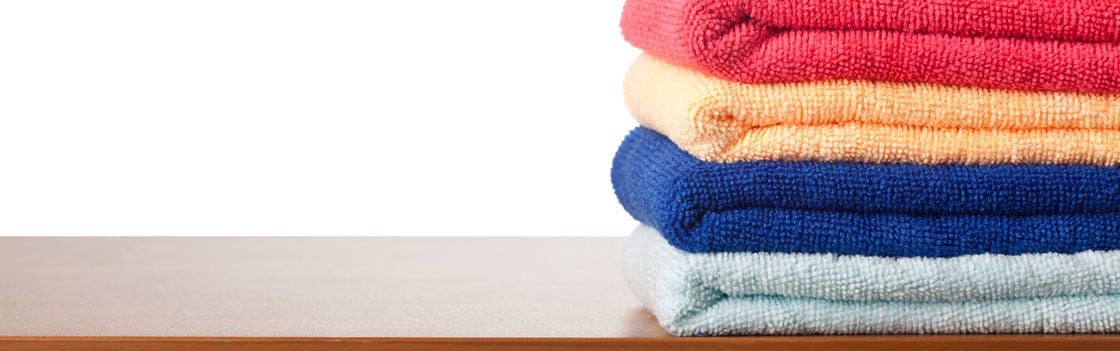
Make dirt and dust disappear by using the right microfiber cleaning product! Not only are they easy to use and reusable, but they will leave your facility spotless. With our vast selection of microfiber wet mops, dry mops, cloths, and mitts, you are bound to find the right products to help maintain and clean your facility.
What is Microfiber?

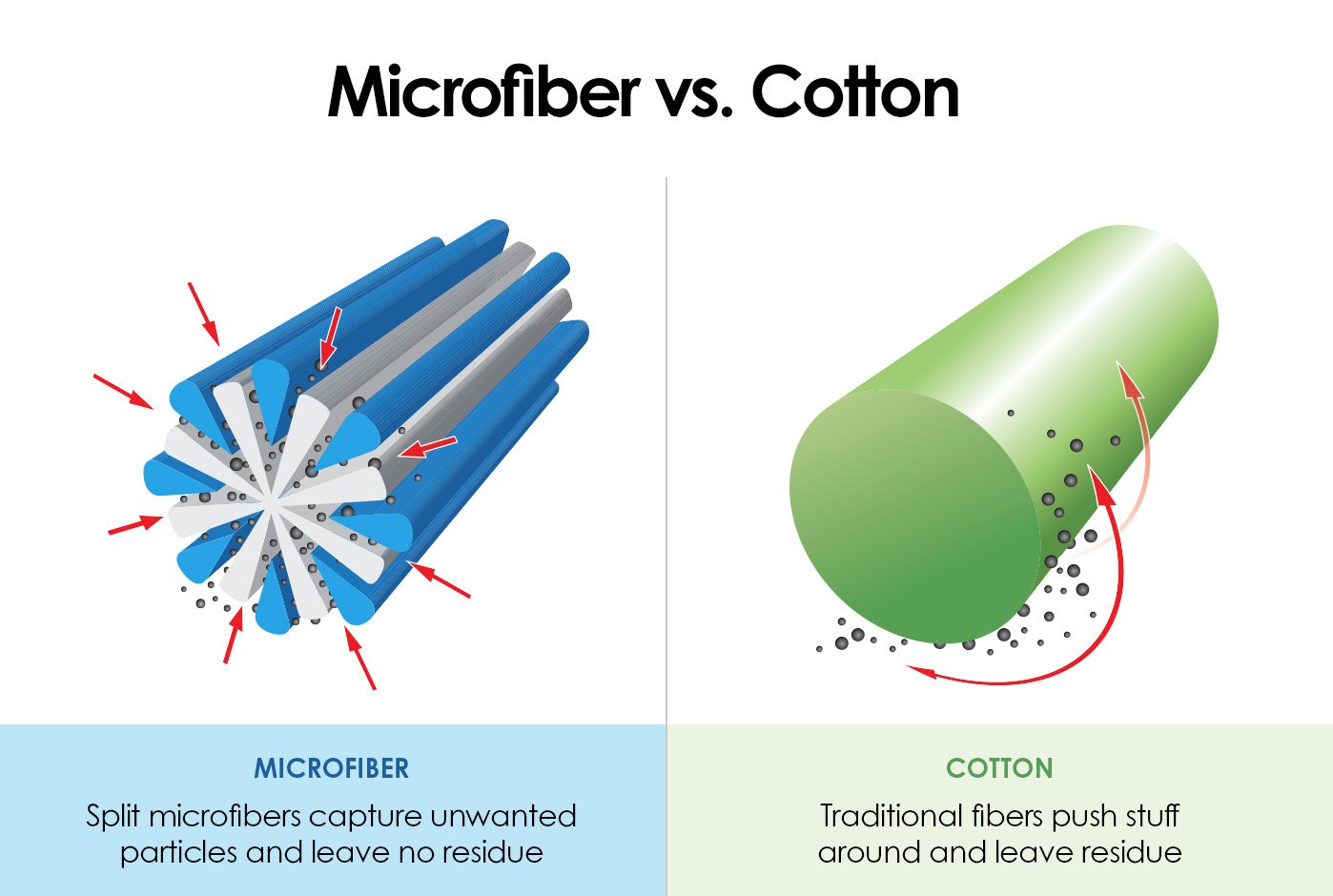
Microfiber is a synthetic fiber made from a blend of polyester and polyamide. The small fibers are one-sixteenth the size of a human hair and they act as a "hook" to scrape up and hold dust, dirt, and grime. It's also a great alternative to cotton! While cotton fibers push dirt around and only hold on the outer surface, microfiber grasps unwanted particles and doesn't leave any residue behind. Microfiber uses and applications are quite varied, from housekeeping to automotive maintenance. Use a microfiber cloth for glasses to remove spots or stains, or use a microfiber mop to get your floors cleaner than when using a cotton mop.
What are the Benefits of Microfiber?
Ultra Absorbent
Microfiber products can absorb up to seven times their weight in water due to their high density and surface area. Cleaning up spills is simple with a microfiber mop because it reduces the amount of water and chemicals needed to clean up a mess. Plus, because microfiber is lighter compared to cotton, microfiber mops give your back a break when mopping floors.

Cost Effective
Once a microfiber product is soiled, simply throw it in the wash! Most microfiber cloths, mops, and pads can withstand over 500 uses (use then launder), as long as you don't clean with or wash it with bleach or fabric softener. Bleach will break down the material more quickly. Microfiber material also lasts longer than cotton, meaning you don't have to buy microfiber cleaning cloths as often as cotton cleaning cloths.
Pathogen Prevention
Pathogens, bacteria, and viruses will "stick" to a microfiber cloth or mop head until they're laundered out, which is a plus for hospitals, daycare operations, retirement communities, and restaurant kitchens. Unlike cotton products, microfiber is made of inorganic materials, ensuring that pathogens have nothing to feed on!
Improved Cleaning
Since microfibers soak up more water and trap more dirt, many users find that they don't need to use nearly as much cleaning product and water to get the job done. Because of this efficiency, cleaning jobs take less time and less labor. From mopping floors to polishing metal, microfiber products cut back on chemicals, time, and grime. When washing, be mindful that fabric softener clings to and coats the microfiber and it won't clean surfaces as well or rinse as thoroughly.

Environmentally Friendly
Because microfiber items help you save on the amount of time and product needed to clean, you'll use less water and harsh chemicals! Using a wet microfiber cloth to clean mirrors and counters saves on paper towels. Plus, recycled plastic products are often used to produce microfiber products, which in turn, can be recycled when sent to companies that repurpose them.
Microfiber vs. Cotton Fibers
Microfiber has openings and spaces in the fibers that help to capture particles and reduce the amount of residue left on surfaces after cleaning. Those open spaces help the fibers act as hooks, gently lifting away dirt, grime, and bacteria.
Traditional cleaning products using cotton fibers don't have those tiny spaces, so particulates aren't trapped the same way. Cotton fibers tend to push dirt around, rather than trapping it away.
How to Clean Microfiber Cloth Products
If you are wondering how to wash microfiber cloth towels, or other microfiber products, the answers are simple. Most products can be washed in a washing machine and will be rated for a certain number of washings.
While normal detergents are fine for use with microfiber, there are a couple important things to keep in mind when cleaning microfibers:
- Don't use bleach. Using bleach causes the material to deteriorate, reducing the life of the microfiber.
- Don't use fabric softener. Microfiber works so well because of the open spaces in the fibers. When microfiber products are washed with fabric softener, these open spaces become clogged, which reduces the microfiber's effectiveness.
Choosing the Right Microfiber Products
What is GSM?
GSM stands for grams per square meter. Microfiber cloths vary greatly and range from 50 GSM to 600 GSM depending on their weight and pile. Economy grade microfiber ranges from 150 to 250 GSM and professional grade is considered to be 300 and above. The most common and popular weight of microfiber towels is 300 GSM, as this is often the GSM of multi-purpose microfiber towels.
If you are cleaning things like walls, tile floors, or stove tops, a higher GSM is the best microfiber cloth for that application, compared to a lower GSM cloth that is perfect for light cleaning like wiping off glass or mirrors.
A higher GSM microfiber towel is:
- Heavier in weight ensuring better durability
- Capable of absorbing more liquid
- Thicker and more plush, with a higher pile
- Able to pull away debris from surfaces without the risk of scratching
- Gentle for cleaning
A lower GSM microfiber towel is:
- Lighter in weight
- Less likely to streak or lint on surfaces like glass
- Thinner and less plush
Microfiber Options
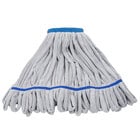
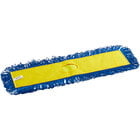
Many types of cleaning products are now available in microfiber. Microfiber wet mops and dry mops allow you to make sure your floors are their cleanest, while microfiber cloths and mitts are so versatile that they can be used virtually anywhere, for any task.
Product Type
|
Usage
|
Benefits
|
|---|---|---|
Wet Mops
 | Hardwood floors Tile floors Vinyl floors Linoleum floors |
|
Dry Mops
 | Hardwood floors Tile floors Vinyl floors Linoleum floors Ceilings Fan blades |
|
Cloths
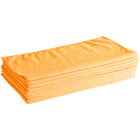 | Bars Counters Tables Booths and chairs |
|
Mitts
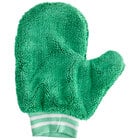 | Bars Counters Tables Booths and chairs Small, hard-to-clean areas and crevices |
|
Color-Coded Microfiber Cleaning Cloths
Using a color coding or a HACCP color coding system within your establishment has multiple benefits for your employees and patrons. Color coding is a great way to help prevent cross-contamination, deter chemical misuse, and enhance building safety. This kind of system also improves employee training and communication. Use the table below to create your own color coding system:
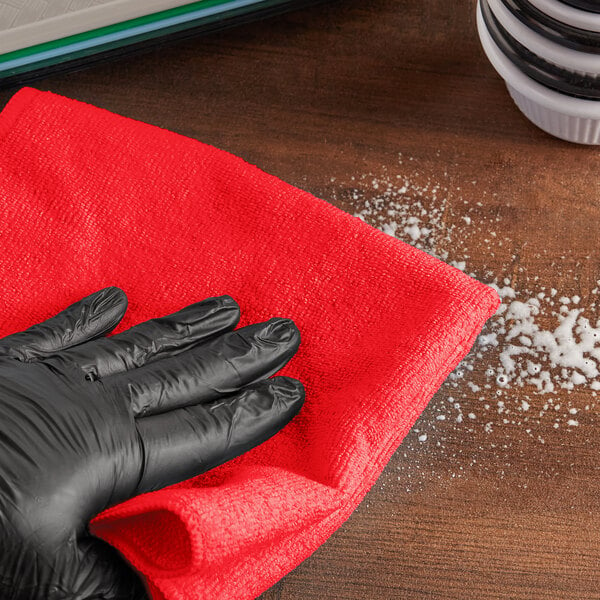
High-Risk
Red Microfiber Cleaning Cloth
Use this cloth for places with a higher risk of contamination and bacteria. This includes around toilets and urinals.
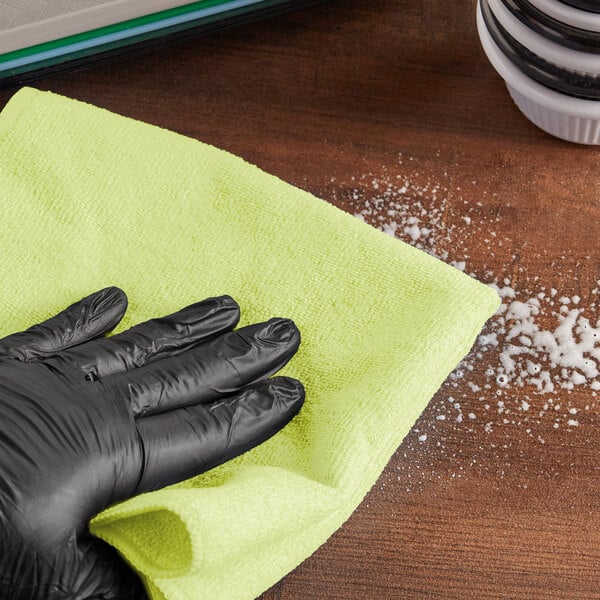
Low-Risk
Yellow Microfiber Cleaning Cloth
Low-risk areas include the rest of the bathroom, such as below sinks and mirrors, or specialty areas such as labs and gyms.
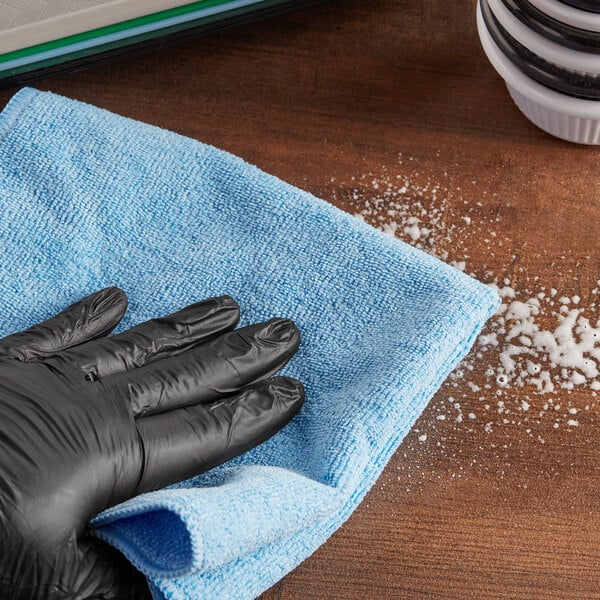
All-Purpose Cleaning
Blue Microfiber Cleaning Cloth
Use this color for everyday areas including office floors, hallways, and day-to-day work areas.
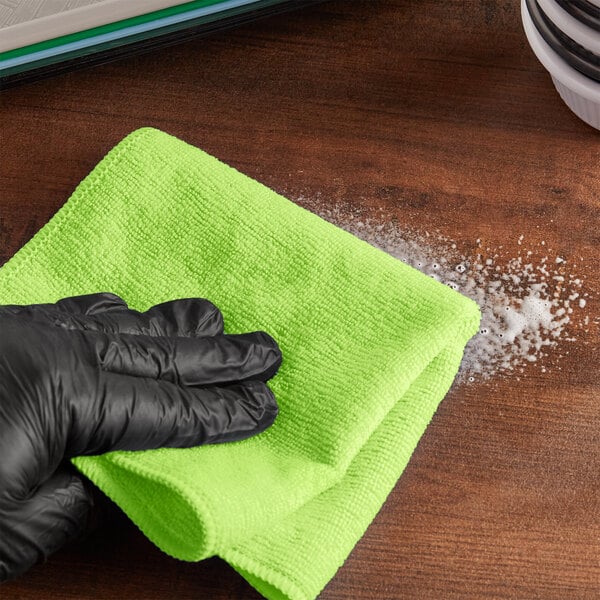
Food Service
Green Microfiber Cleaning Cloth
Dedicate this cloth to food service areas including the kitchen and behind the bar.
Microfiber Accessories
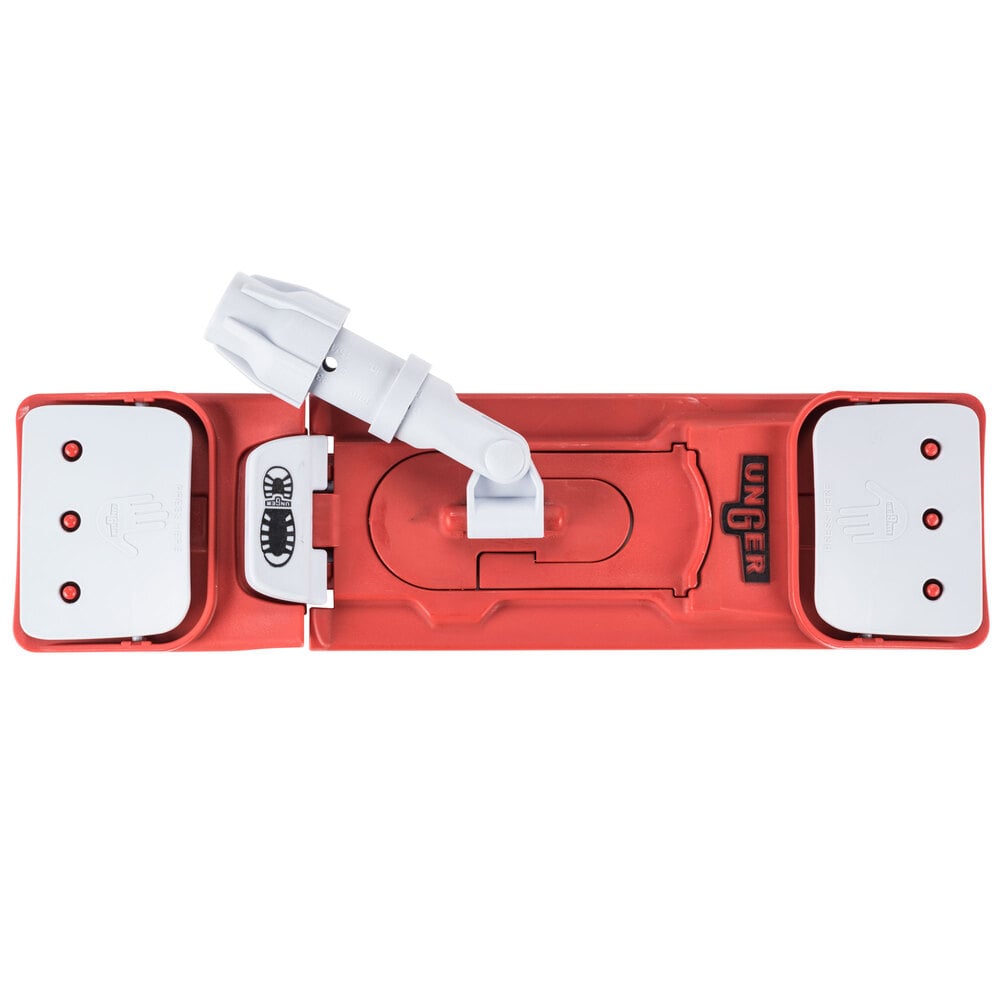
Frames
Wet mop frames and dry mop frames will help you mop with ease! By connecting it to your microfiber mop head, you can maneuver the mop in and around hard-to-clean areas.Mop Handles
Attach a handle to your microfiber mop head and frame for fast and efficient cleaning.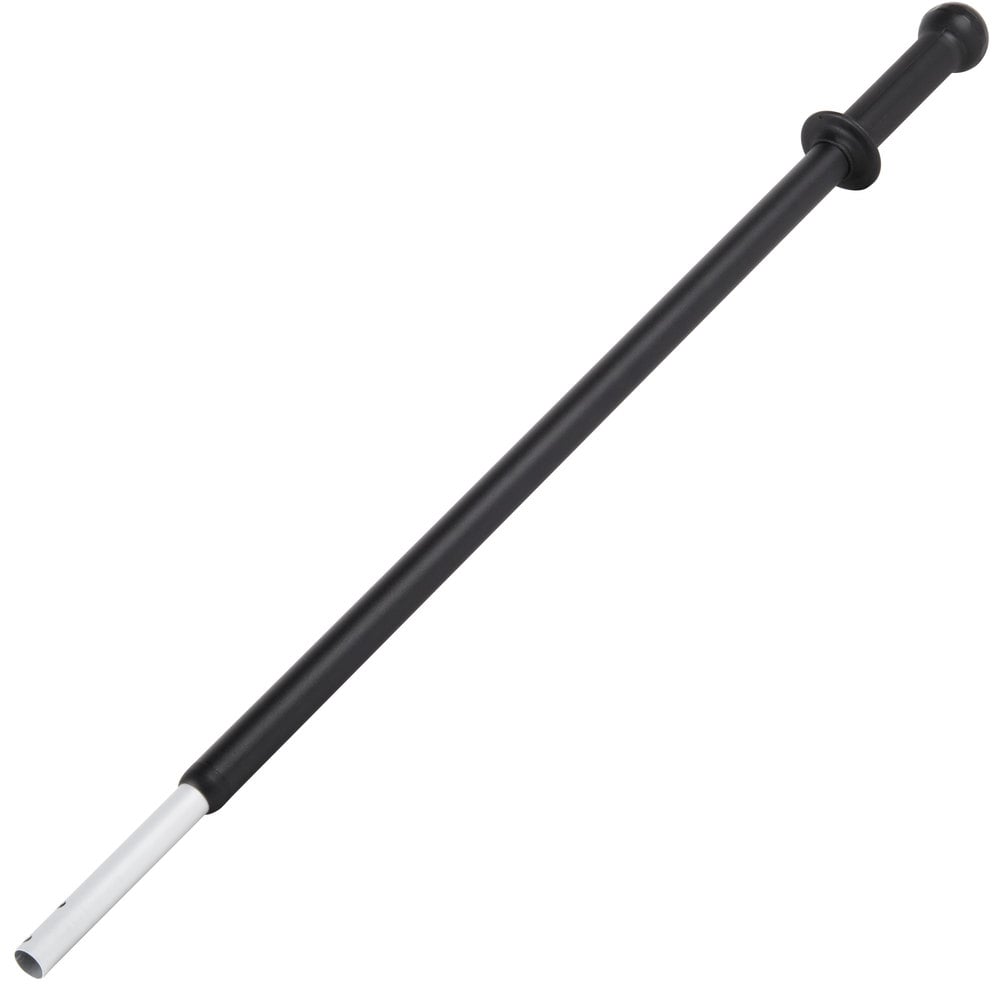
Mop Buckets
Microfiber mop buckets come in a variety of colors and can be bought to match your microfiber mop.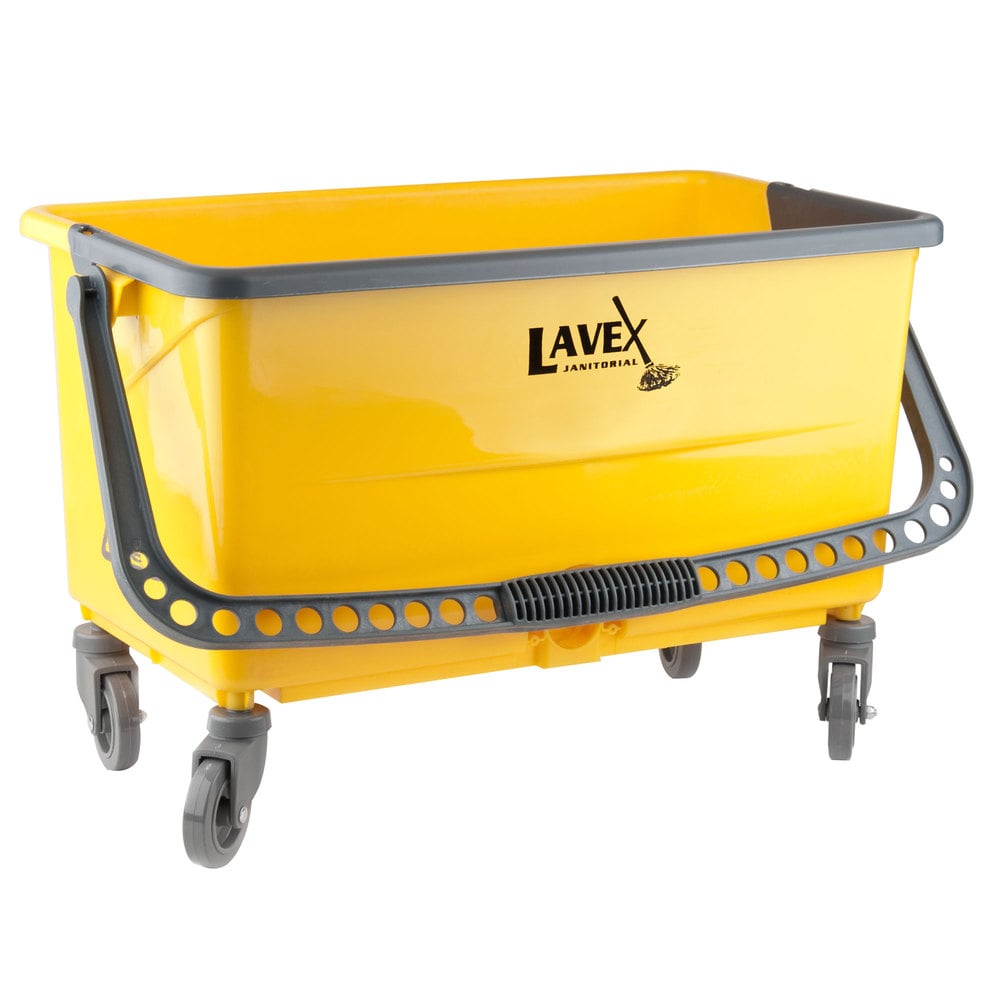
Related Resources

August 2026 WebstaurantStore Coupon Code
As summer winds down, the savings at WebstaurantStore are still breezing along all August long! Take advantage of incredible deals on the supplies and equipment your business needs to stay stocked and ready for every shift. Browse the featured sale items below, and don't forget to enter coupon code BREEZE26 at checkout to save up to 15% on your purchase. Don't miss your chance to take advantage of these limited-time August savings! Also, don't miss out on our annual Plus Days sales event August 3rd - 5th! WebstaurantPlus members save big on thousands of eligible items with free shipping. Click the banner above for a sneak peek of the sale now! Looking to save even more? Check out the new Webstaurant Rewards® Visa Business Card ! Sign up for

Types of Mop Handles
Mop handles play a crucial role in the efficiency and effectiveness of any cleaning routine. No matter what type of mop you're using, a good handle provides a sturdy and ergonomic grip, allowing for easy maneuverability and control while cleaning various surfaces. From traditional wooden handles to light weight aluminum handles, choosing the right mop handle can greatly impact the efficiency and effectiveness of your cleaning routine. Shop All Mop Handles, Frames, and Accessories Use the following links to explore everything you need to know about mop handles: What Is a Mop Frame? Mop Handle Materials Mop Handle Attachment Styles Mop Handle Considerations Mop Handle Length Mop Handle Features Mop Handle Maintenance Tips
Types of Mops
From busy kitchens to school hallways, mops are essential for keeping your floors sparkling clean. Sometimes it can seem like a never-ending task to keep up with your high-trafficked floors, but the right mop can make your floor cleaning easier and more effective. Learn all about the different types of mops so you can choose the best tool for your application. Shop All Mops and Accessories Click below to learn more about the different types of mops: Wet Mop Heads Wet Mop Materials Wet Mop Handles Wet / Dry Mop Pads Wet Mop Comparison Mop Storage and Care
Join Our Mailing List
Receive coupon codes and more right to your inbox.