- Topics 1577
- Industrial 59
- Troubleshooting Guides 32
- Restaurant Management 144
- Bar Management 70
- Catering Tips 46
- Bakery Management 45
- Food Trucks & Concessions 41
- Advertising & Marketing 41
- Eco-Friendly Tips 13
- Facility Layout & Design 47
- Coffee Shop Tips 32
- Installation & Maintenance 63
- Janitorial & Pest Control 34
- Safety & Sanitation 121
- Startup Tips 111
- Menu Design 11
- Kitchen & Cooking Tips 106
- Hospitality Management 26
- Pizza & Sandwich Shop Tips 23
- Smallwares 42
- Food Prep 102
- Tabletop Items 21
- Disposables 28
- Calculators & Tools 7
- Consumables 77
- Warewashing & Laundry 22
- Cooking Equipment 106
- Food Storage & Refrigeration 58
- Beverage Equipment 43
- Office Supplies 6
Chafing fuels are an essential component for any catering or buffet setup, providing a reliable and efficient heat source to keep food warm and ready to serve. These fuels are specifically designed to be used with chafing dishes, which are commonly used in hotels, restaurants, and catering events. Chafing fuel is typically a gel-like substance that burns clean and odorless, ensuring that the quality and flavor of the food remains intact. With various options available, including traditional canned fuels and eco-friendly alternatives, finding the right chafing fuel for your needs is essential to ensure a successful and hassle-free event.
Shop All Chafing Dish Fuel
Use the following links to explore the information about chafing fuel:
What Is Chafing Fuel?
Chafing fuel is a type of fuel that is commonly used in catering businesses and food service establishments to keep food warm and at a safe serving temperature. It is designed to be used in chafing dishes and typically made from a combination of ethanol, methanol, and other additives. These additives are used to control the burn rate and ensure a consistent and steady flame. Chafing fuel provides a reliable and consistent source of heat and burns clean and odorless, which is important when serving food in a confined space.
When it comes to choosing the right chafing fuel for your foodservice establishment, it's important to consider factors such as fuel styles, materials, burn time, heat output, and safety. There are several different types of chafing fuel available on the market, each with its own unique characteristics and benefits. We'll explore the different types of chafing fuel to help you make an informed decision.
Wick Chafing Fuel
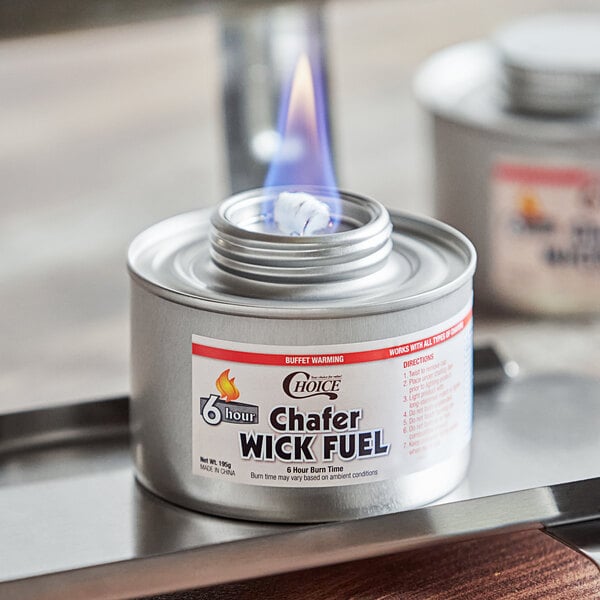
Wick fuel, also known as liquid fuel, is a popular choice for chafing dishes. It can be made from a mixture of ethanol and diethylene glycol, which allows for a clean and consistent burn. Wick fuel typically comes in metal cans with a wick that can be easily lit. This type of fuel is known for its long burn time, making it ideal for events that require extended heating.
- Available in two types: traditional or stem
- Both traditional and stem use clean-burning glycol fuel
- 2-, 4-, or 6-hour burn times
- Safer than gel since spilled glycol does not combust without a wick
Gel Chafing Fuel
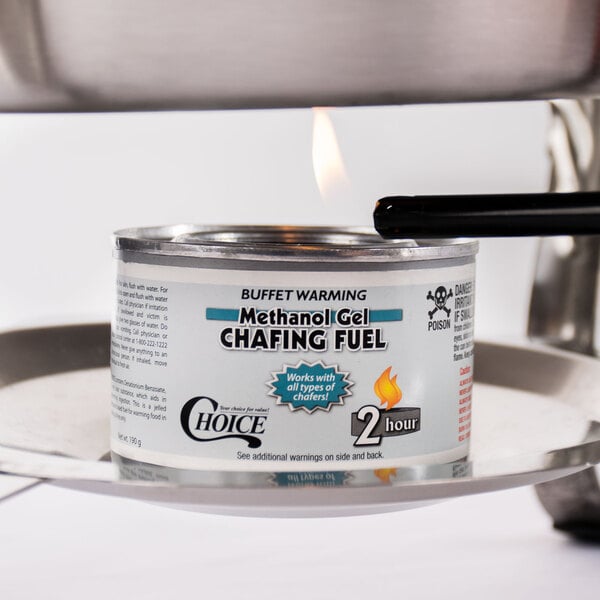
Gel fuel is another common option for chafing dishes. It is a thick, gel-like substance that is easy to ignite and provides a steady flame. Gel fuel is typically contained in a can that can be easily opened and lit. One of the advantages of gel fuel is that it is smokeless and odorless, making it a great choice for indoor events or venues with poor ventilation
- Available in two types: ethanol (pink) or methanol (blue)
- Strong heating performance
- 45-minute, or 2-, 4-, or 6-hour burn times
- Great for low-profile chafers where the water pan is too close to fuel cell holder for wick fuel
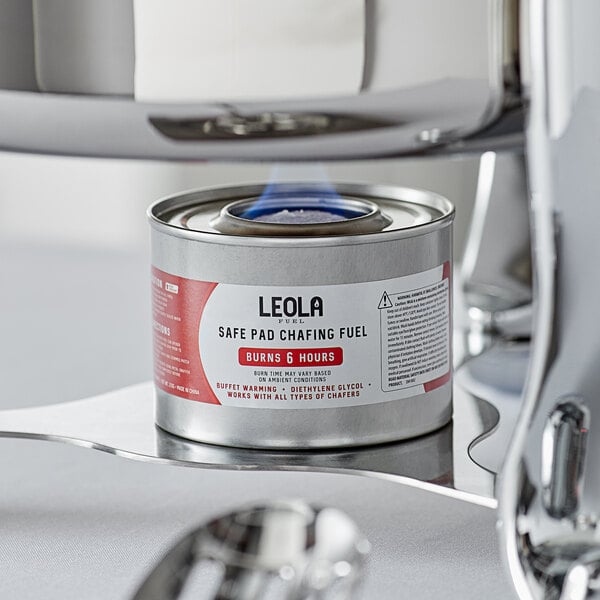
Safe Pad Chafing Fuel
Safe pad fuel is a hybrid style chafing fuel that features a pad at the top that sustains the flame when lit. There is gel fuel under the pad that allows for a wider and hotter flame than wick fuel, while being more resistant to wind for outdoor events. The safe pad prevents the flamable gel from spilling out of the container should it be knocked over.
- Combines heating technology of wick and gel fuel
- Wider and hotter flame than wick or gel fuel
- 2-, 4-, or 6-hour burn times
- Safer than highly flamable gel fuel
Chafing fuels are designed to provide a safe and efficient heat source for chafing dishes, keeping your food at the perfect serving temperature. Factors such as burn time, odor, smoke production, and safety are directly impacted by the chafing fuel material you plan to use. The following are the most common types of chafing fuel materials:
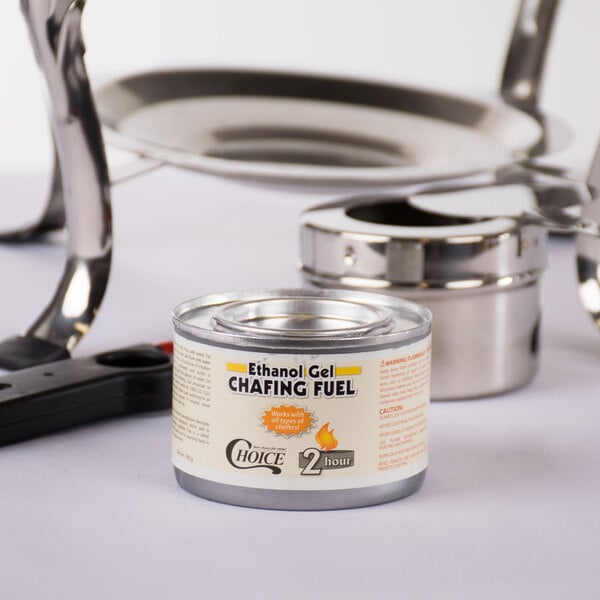
- Diethylene Glycol Chafing Fuel: Diethylene Glycol (DEG) fuel is most commonly used for chafing fuel because it offers a slow and steady burn. With a high flash point, it is odorless and produces minimal smoke, making it ideal for indoor use. DEG fuel is known for its long-lasting burn time, providing a reliable heat source for extended events. It is important to note that DEG fuel should not be consumed or used in food preparation due to its toxic properties, but is safe for food warming and hold.
- Ethanol Chafing Fuel: Ethanol fuel is a renewable and environmentally friendly option for chafing dishes. It is derived from plant-based sources and is 100% recyclable. Ethanol fuel burns cleanly, producing minimal smoke and odor. It is a safe and non-toxic choice for foodservice establishments. Ethanol fuel is often preferred for its high heat output, allowing for quick heating and maintaining the desired temperature of your food.
- Methanol Fuel: Methanol fuel is a cost-effective option for chafing dishes. It offers a clean and efficient burn, providing a consistent heat source. Methanol fuel is typically used in outdoor settings due to its higher smoke output compared to other fuel materials. It is important to handle methanol fuel with care, as it is toxic and should not come into contact with food or be consumed.
- Propylene Glycol Chafing Fuel: Propylene Glycol fuel offers a clean burn with minimal smoke and odor. It is a non-toxic fuel and safe for use in foodservice applications. It is often preferred for outdoor events or areas with limited ventilation. This fuel material also provides a consistent heat output, ensuring that your food stays at the desired temperature throughout service.
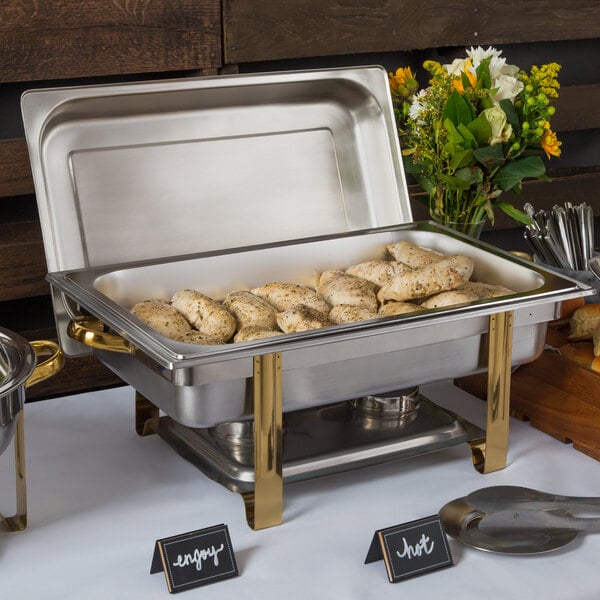
Use the following instructions to learn how to use chafing fuel safely:
- Choose the Right Type of Chafing Fuel: Before using chafing fuel, it is important to select the appropriate type for your specific needs depending on your pan type and location of your event.
- Set Up the Chafing Dish: Prepare your chafing dish by placing it on a level, sturdy surface. Open the lid of the chafing dish and remove any water or food remnants from the pan. Make sure the pan is clean and dry before proceeding.
- Prepare the Chafing Fuel Container: If you are using wick chafing fuel, ensure that the wick is properly positioned and ready for ignition. For gel chafing fuel, simply remove the lid from the can, and it is ready to use.
- Place the Chafing Fuel Container: Place the fuel container inside the holder under the chafing dish, ensuring that it is securely positioned. Make sure there is enough clearance between the container and the pan to allow for proper air circulation and heat distribution.
- Add Water to the Pan: Fill the water pan of the chafing dish with a sufficient amount of water, typically about 1 inch deep.
- Ignite the Chafing Fuel: Carefully light the wick chafing fuel with a long-reach match or butane lighter. If using gel chafing fuel, use a long-reach match or butane lighter to ignite the gel directly. Exercise caution while lighting the chafing fuel to avoid any accidents or injuries.
- Cover the Pan: Cover the water pan until it begins to steam (approximately 20 minutes).
- Place the Food Pans: Once steaming, place the food pan with hot, fully cooked foods into position and cover. Ensure that the food is properly prepared and heated before placing it in the pans.
- Monitor and Maintain: Throughout the event, it is essential to monitor the chafing fuel, ensuring that it remains lit and at the desired temperature. Check the water level in the pan regularly and replenish as needed to prevent it from drying out.
While chafing fuel is designed to burn safely and efficiently, following the correct steps for extinguishing it will help ensure the safety of your staff and guests. Here are ways to putting out chafing fuel:
- Allow the fuel to burn out naturally: Chafing fuel is designed to burn until the fuel is completely consumed. In most cases, the fuel will burn out on its own once it reaches the end of its burn time. It's crucial not to attempt to extinguish the flame by blowing on it or using water, as this can cause splattering and potentially lead to injuries.
- Use a fuel lid or snuffer: Some chafing fuel cans are equipped with a lid or snuffer to safely extinguish the flame. These lids are specifically designed to fit over the fuel can and smother the flame, cutting off the oxygen supply. Simply place the lid over the can and wait for the flame to be extinguished. You may also use chafer fuel holders with covers that are made to help snuff out the flame.
- Use a metal spoon or spatula: If your chafing fuel does not come with a lid or snuffer, you can use a metal spoon or spatula to carefully smother the flame. Gently press the spoon or spatula against the wick or flame to cut off the oxygen supply. Be cautious while doing this to avoid any splattering or accidents.
- Never use water to extinguish chafing fuel: Chafing fuel is flammable and should never be extinguished with water. Water can cause the fuel to splatter, potentially spreading the fire and causing injuries. It's important to keep a fire extinguisher nearby in case of emergencies, but water should never be used to put out chafing fuel flames.
- Allow the can to cool down: After the flame has been extinguished, it's important to allow the chafing fuel can to cool down before handling it. The metal can become extremely hot during use, so it's best to wait until it is safe to touch before attempting to remove or dispose of it.
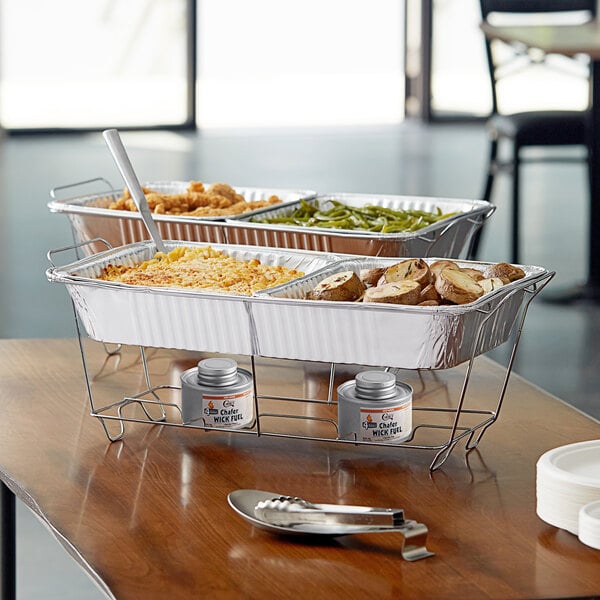
The duration of chafing fuel can vary depending on the specific type and brand you choose, usually lasting anywhere from 45 minutes to 6 hours. Whether you are hosting a short event or a multi-day conference, choosing the right chafing fuel will ensure that your food remains at the perfect temperature throughout the duration of your event. Below we discuss the different burn times you can expect and what they are best suited for:
- 45 minutes: While they may not be suitable for longer events, they can be a cost-effective option for quick service or small gatherings.
- 2 hours: Most commonly used in buffet settings, catered events, and other occasions where food needs to be kept warm for a moderate length of time.
- 2.5 hours: Ideal for events that may run a bit longer, such as receptions, banquets, or conferences.
- 4 hours: For events that span several hours. These fuels are commonly used in larger-scale events, such as weddings or corporate functions, where maintaining food-safe temperature is crucial.
- 5 hours: Ideal for all-day events, such as outdoor festivals or trade shows, so you can reduce the frequency of refills and ensure a smooth and uninterrupted service.
- 6 hours: Perfect for events that last throughout the day and into the evening, such as weddings or multi-day conferences.
Sterno Products Chafer Fuel Safety Tips
Chafing Fuel Safety
To ensure the safety of your employees, follow these chafer fuel safety tips:
- Never use an open flame before checking with your local code official.
- Never use chafing fuel to cook foods. Only use chafing fuel to maintain proper serving temperatures.
- Never place chafing fuel near flammable table decorations or nearby items like curtains and paper products.
- Never light the fuel and carry or move it to the desired area. Use a long-reach match or butane lighter to ignite the chafing fuel after placing it in the holder.
- Never use other lit cans or rolled-up paper to light chafing fuel.
- Never touch gel-type cans once they're lit. They can become extremely hot as the flame burns down into the can. Let spent fuel cans cool after use, then dispose of them properly.
- Never blow out the flame to extinguish it. Extinguish chafing fuel at the end of events by using the proper tool (twist-off metal lid, snuffer paddle, regulator, etc.)
We answer some of the most frequently asked questions when it comes to chafing fuel:
How to Open Chafing Fuel
To open your chafing fuel, either twist off the top or use a designated chafing fuel opener and snuffer. If you don't have a snuffer, a spoon or spatula can help you gently pry off the lid of your chafing fuel.
How to Light Chafing Fuel
Chafing fuel can be lit using either a butane lighter or a long-reach match. It is recommended to use a long-reach lighter to minimize the risk of burns. Never use paper or spark-wheel lighters to light your chafing fuel.
Can You Cook With Chafing Fuel?
It depends on the application. Most chafing fuel is specifically designed to keep food warm and should not be used for cooking. The composition of most chafing fuel is not suitable for direct cooking. Many are made from ethanol, methanol, and other additives, chosen for their ability to produce a controlled flame with a consistent amount of heat. While chafing fuel can generate enough heat to keep food warm, it cannot always provide the high temperatures needed for cooking raw ingredients. Using chafing fuel for cooking can be dangerous and may result in undercooked or contaminated food. However, small-scale cooking applications such as mini-hibachis and smores stations may warrant a limited amount of ethanol-based chafing fuel to produce a controlled heat source for searing small food items. When cooking TCS foods, we recommend using cooking appliances with higher temperature capabilities, such as stovetops or grills, first to ensure that the food is cooked thoroughly and safely before putting it in a chafer to be kept warm.
How to Dispose of Chafing Fuel
Refer to the packaging of your chafing fuel for disposal instructions. Most spent fuel containers can be either recycled or thrown into standard trash bins. If there is still fuel remaining in the container, check with your local authorities for the proper rules and regulations of disposing potentially hazardous waste.
Wick Fuel vs Gel Fuel
The difference between wick and gel fuel is how it burns, with wick fuel featuring a soft wick that is lit to ignite the fuel while gel fuels are lit directly to produce the heat. Wick fuel offers a long burn time and consistent heat output, making it suitable for outdoor events or situations where prolonged heat is required. Their containers also remain cool to the touch and the fuel is not flammable if spilled. On the other hand, gel fuel provides a cleaner and more controlled burning experience, making it ideal for indoor events. Gel fuel also burns more cleanly, leaving behind minimal residue and reducing the risk of soot buildup on your chafing dishes. Both wick fuel and gel fuel comply with safety regulations and standards. Consider the specific requirements of your event or establishment when making your decision.
Back to TopRelated Resources

June 2026 WebstaurantStore Coupon Code
Summer is upon us, and to celebrate WebstaurantStore has blazing hot deals all month long! With summer vacations underway and holidays like Independence Day rapidly approaching, now is the time to stock up on essential supplies and equipment you'll need to get through the summer season. Take a look at our wide array of sale items below and don't forget to enter the code SUMMERSALE at checkout to enjoy up to 20% off your purchases! Looking to save even more? Check out the new Webstaurant Rewards® Visa Business Card ! Sign up for a new card today and start earning rewards on every WebstaurantStore purchase, and save on a WebstaurantPlus subscription. Have a look at some incredible deals on disposable items with June's monthly coupon code! Whe

Catering Marketing Ideas
Catering marketing ideas are essential for foodservice operators looking to attract new clients, boost brand visibility, and grow their business, whether they're launching a new catering business or expanding an established catering company. Effective marketing strategies help operators stand out in a competitive industry by leveraging targeted promotions, digital advertising, and strategic outreach. From crafting a structured catering marketing plan to running high-converting promotions, the right tactics can drive bookings and increase revenue. Below, we explore proven methods to market a catering business, secure clients, and maximize advertising efforts, helping operators reach their ideal audience and achieve long-term success. Shop Al

Free Catering Invoice Templates
When it comes to running a successful catering business , organization is key. One essential element of keeping your business organized is having a well-designed catering invoice. A catering invoice not only helps you keep track of your orders and payments, but it also serves as a professional document that showcases your business. Catering Invoice Template An essential document to any catering business, a catering invoice provides clients with a detailed breakdown of services and expenses, while explicitly stating the payment conditions. To help you get a head start, we've created a catering invoice that you can download for use! Choose from blue, gray, green, and yellow invoice templates to match your aesthetic. Simply click to download.
Join Our Mailing List
Receive coupon codes and more right to your inbox.