
- Topics 1577
- Industrial 59
- Troubleshooting Guides 32
- Restaurant Management 144
- Bar Management 70
- Catering Tips 46
- Bakery Management 45
- Food Trucks & Concessions 41
- Advertising & Marketing 41
- Eco-Friendly Tips 13
- Facility Layout & Design 47
- Coffee Shop Tips 32
- Installation & Maintenance 63
- Janitorial & Pest Control 34
- Safety & Sanitation 121
- Startup Tips 111
- Menu Design 11
- Kitchen & Cooking Tips 106
- Hospitality Management 26
- Pizza & Sandwich Shop Tips 23
- Smallwares 42
- Food Prep 102
- Tabletop Items 21
- Disposables 28
- Calculators & Tools 7
- Consumables 77
- Warewashing & Laundry 22
- Cooking Equipment 106
- Food Storage & Refrigeration 58
- Beverage Equipment 43
- Office Supplies 6
Serving popcorn is an easy way to boost impulse sales at your movie theater, live event, or concession stand. It has one of the highest profit returns of all types of concession stand foods because of its low costs for supply and labor. Because popcorn comes in many different forms, it's important to identify which type best fits your needs. We'll outline the different types of popcorn below so that you can make informed purchasing decisions and satisfy your customers.
Shop All Popcorn Kernels
Types of Popcorn Video
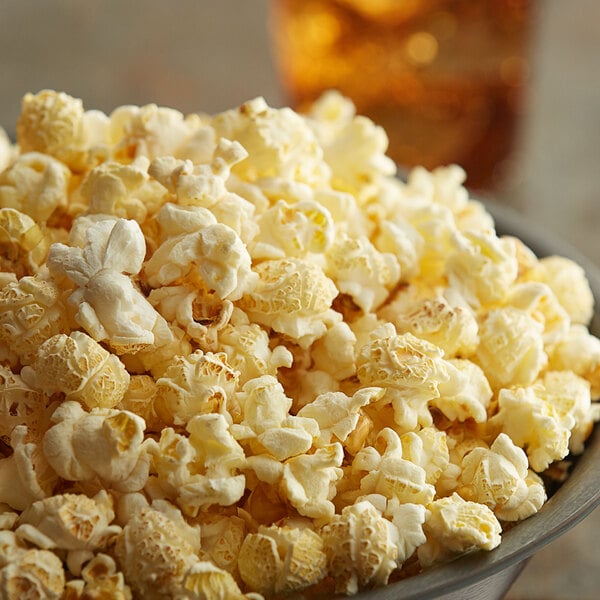
Mushroom popcorn is known for its large size and compact ball shape, sometimes referred to as mushroom-like. One of the key features that sets mushroom popcorn apart from other types is its strength. Its kernels have a dense composition, producing popcorn with a satisfying crunch and a generous surface area. The sturdy texture of mushroom popcorn allows it to maintain its shape and texture even when coated with sticky or liquid popcorn toppings, including caramel, cheese, and chocolate. It is also the popcorn of choice for making kettle corn.
- Kernel size: Large
- Texture: Crunchy
- Color: White, yellow
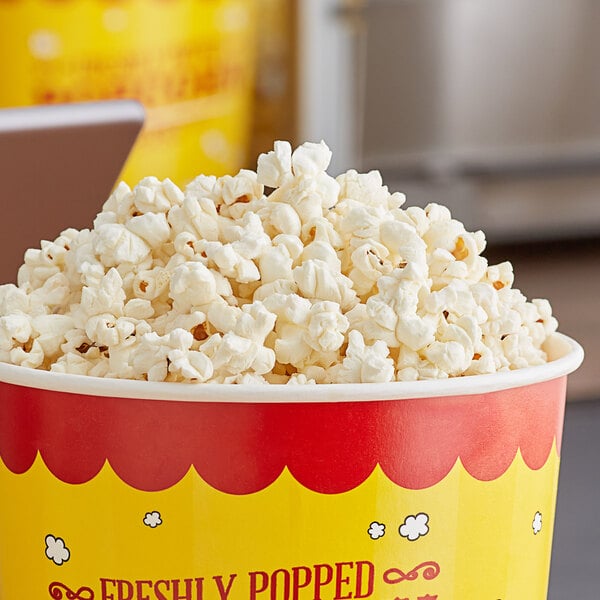
Butterfly popcorn, sometimes called snowflake popcorn, is characterized by the irregular shape it pops into, which produces light, fragile wings protruding from all sides. It is one of the most popular types of popcorn, and its non-uniform shape allows you to fill serving sizes with less product. One of the distinguishing characteristics of butterfly popcorn is its softness. Unlike other types of popcorn, butterfly popcorn is known for its tender texture. This allows for a satisfying crunch without feeling overly heavy, making it an ideal choice for preparing movie theater popcorn. Once popped, butterfly popcorn is typically seasoned with salt, butter, and cheese.
- Kernel size: Large
- Texture: Tender, crunchy
- Color: White, yellow
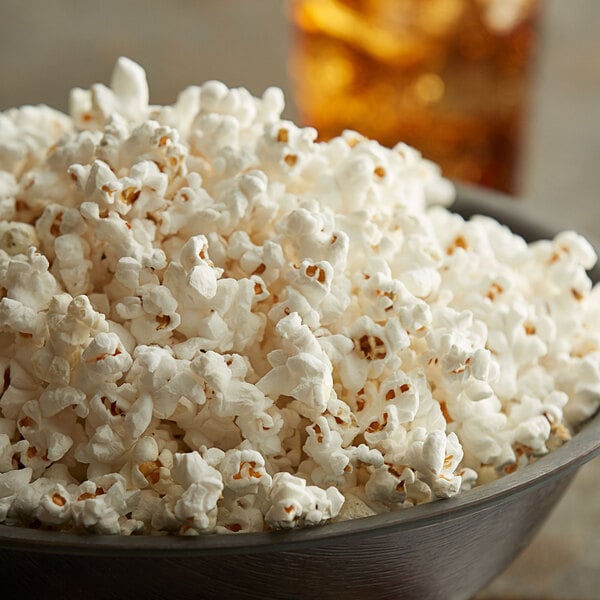
White popcorn is a variety of popcorn known for its small and tender kernels, which pop to become small, crispy, and crunchy pieces of popcorn. It has a mild, subtly sweet flavor, offering contrast to other types of popcorn. Due to the size of its kernels, white popcorn is sometimes referred to as rice popcorn. Additionally, white popcorn's size allows it to pop more efficiently, saving operators money on oil. Being naturally low in calories, fat, and sugar, as well as a good source of fiber, it is considered one of the healthiest varieties of popcorn. It is important to note that it may require slightly higher heat to achieve optimal popping.
- Kernel size: Small
- Texture: Light, crispy
- Color: White
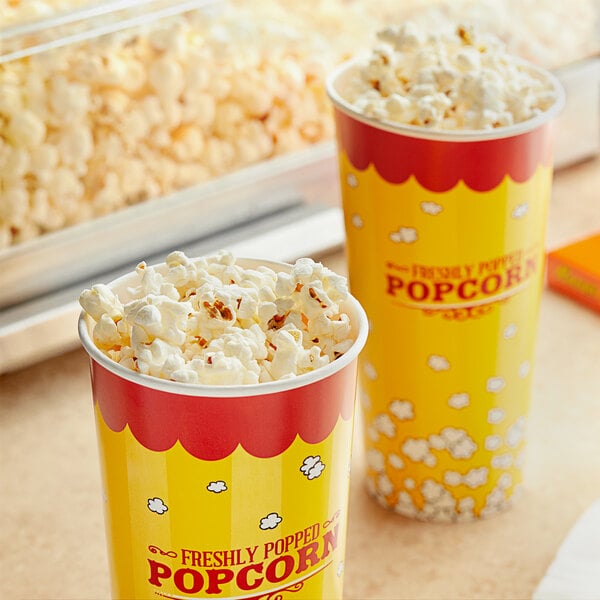
Yellow popcorn is one of the most commonly used popcorn varieties. Yellow popcorn kernels are typically larger and have a higher moisture content, resulting in more robust popcorn pieces. It is the least expensive type of popcorn available, making it a popular choice for businesses looking to offer a cost-effective snack option without compromising quality or flavor. Because of its appealing appearance and taste, yellow popcorn is commonly used for making movie theater popcorn.
- Kernel size: Large
- Texture: Light, crispy
- Color: Yellow
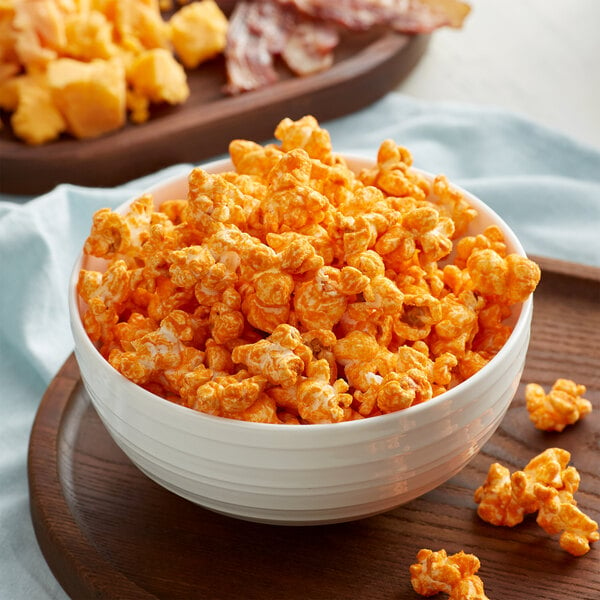
Unlike regular popcorn, gourmet popcorn is handcrafted in small batches using high-quality ingredients, resulting in a delectable and distinctive flavor profile. Its artisanal nature ensures that each batch is crafted with attention to detail. Gourmet popcorn comes in a wide range of unique flavors, including savory options like bacon cheddar and sweet varieties like salted caramel. It is typically made using mushroom popcorn, which provides the sturdy base and texture needed to hold coatings.
- Kernel size: Large
- Texture: Variable
- Color: Variable
Popcorn Kernel Colors
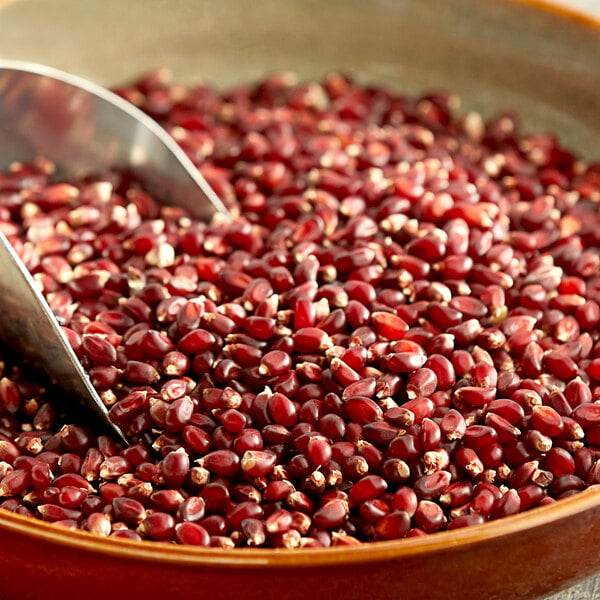
Not only are there different types of popcorn, but there are also different types of popcorn kernels. These kernels come in several colors, adding variety to your selection. However, it's important to note that the popcorn itself is not always the same color as the kernel.
- Yellow kernels: Yellow popcorn kernels are the most common and widely available. They produce a classic, buttery flavor and have a slightly larger size.
- White kernels: White popcorn kernels produce a neutral flavor and are great for adding flavors and seasonings. They are typically smaller than other kernels.
- Red kernels: Red kernels pop into white popcorn. They produce popcorn with a light, tender flake, and slightly nutty flavor.
- Blue kernels: Blue popcorn kernels are a unique and visually appealing option. Like red kernels, they feature a slightly nutty flavor and lightly flaky texture.
- Purple kernels: Purple popcorn kernels are known for their rich, earthy flavor. The popcorn produced from purple kernels has a slightly chewier texture and a nuttier taste.
Best Oil for Popcorn
When it comes to choosing the best oil for popcorn, you must take smoke point and flavor into account. Smoke points, also called burning points, refer to an oil's resistance to heat and signify the temperature at which it will start to produce smoke. In terms of flavor, different oils can contribute to the overall taste of your popcorn. Some oils offer a rich and distinctive flavor that can enhance the popcorn experience, while others have a more neutral taste, allowing the natural flavor of the popcorn to shine through.
Coconut Oil
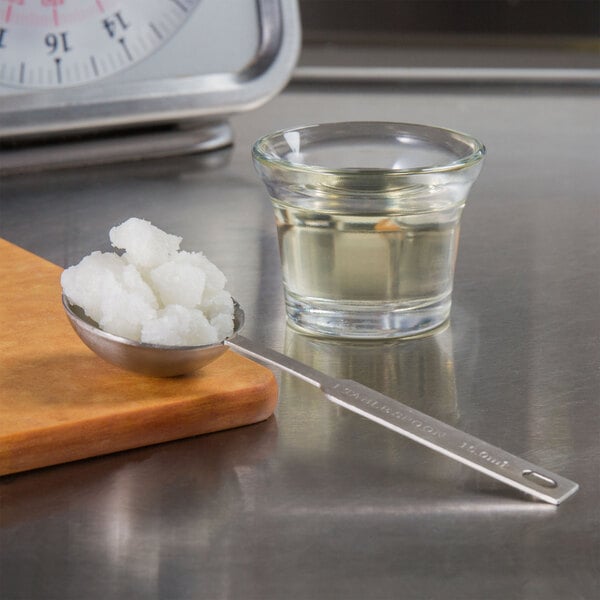
Coconut oil is commonly used to make movie theater-style popcorn. Coconut oil is rich in saturated fats, allowing it to withstand high cooking temperatures in your popcorn machine. When choosing a coconut oil, be sure to choose a refined oil. Unrefined coconut oil, also known as virgin coconut oil, has a significantly lower smoke point, which may not handle the internal temperature of your popcorn kettle.
- Smoke point: 450 degrees Fahrenheit
- Flavor: Mild, slightly sweet
- Made from: Coconut
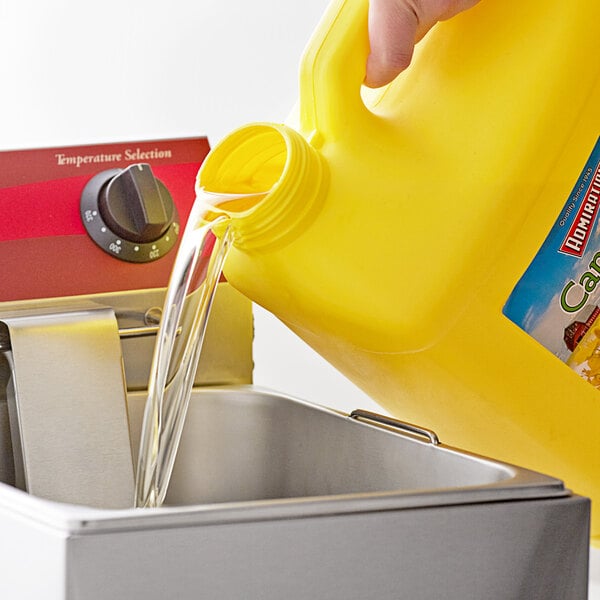
Canola Oil
Canola oil has a high monosaturated to saturated fat ratio, making it a healthier option than other oils. It is widely available and inexpensive, making it one of the most popular oils for use in popcorn machines and a cost-effective choice for commercial popcorn makers on a budget. It's important to note that canola oil may contain GMOs and can be high in linoleic acid, which may cause inflammation.
- Smoke point: 400-475 degrees Fahrenheit
- Flavor: Neutral
- Made from: Canola seeds
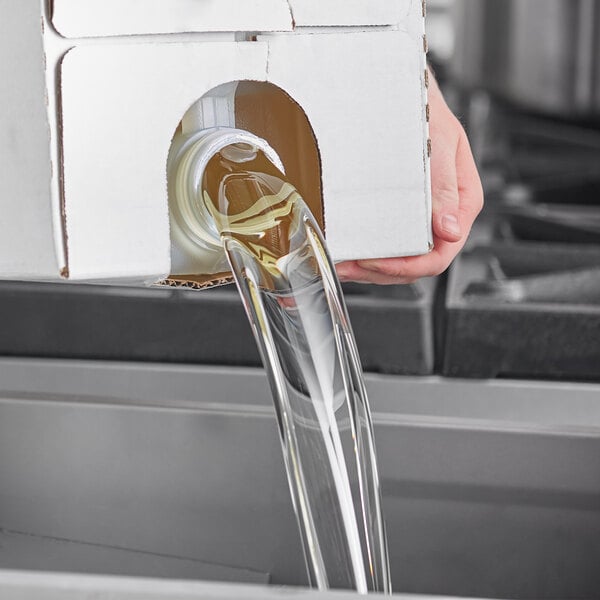
Sunflower Oil
Sunflower oil allows the natural taste of popcorn to shine without overpowering it with additional flavor. This oil is recognized for its health benefits and comes at a lower price point than other healthy oils. It contains numerous vitamins, including vitamins D, A, K, and E, but is high in linoleic acid. Additionally, most sunflower oils are non-GMO.
- Smoke point: 450 degrees Fahrenheit
- Flavor: Neutral
- Made from: Sunflower seeds
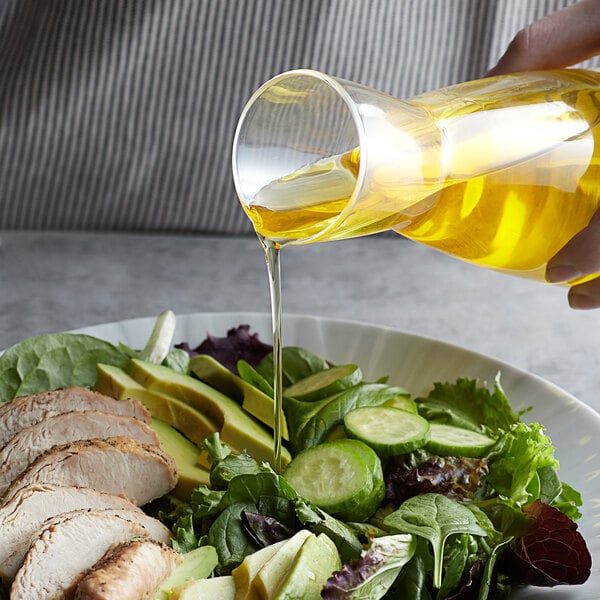
Avocado Oil
Avocado oil has a high smoke point and has grown more popular in recent years. It comes in two main varieties: refined and unrefined. Refined avocado oil is processed to remove impurities, resulting in a neutral product. Conversely, unrefined avocado oil retains some of the natural flavor of the avocado fruit and is known for its slightly nutty or buttery taste. While avocado oil may be more expensive than other oils on the market, its exceptional flavor and health benefits make it a worthwhile investment.
- Smoke point: 520 degrees Fahrenheit
- Flavor: Neutral if refined, buttery if unrefined
- Made from: Avocado pulp
Popcorn Supplies
There is a wide range of popcorn supplies, accessories, and condiments that you can invest in to elevate your service. We've outlined the most popular below.
- Popcorn kits: Popcorn kits have a single-use style for businesses that don't serve popcorn regularly. Their contents are pre-measured to fit a specific popper size, allowing easy preparation. They include all necessary ingredients, including popcorn kernels, oil, and seasoning.
- Popcorn buckets, bags, and cups: Popcorn buckets, bags, and cups are convenient for customers and great for professionally merchandising popcorn. They are made from durable materials to prevent leakage and keep popcorn fresh, and allow you to provide various size options to accommodate guest preferences.
- Popcorn salt: Popcorn salt is finely ground and specially formulated to stick to popcorn, subtly enhancing flavor.
- Popcorn glazes: Popcorn glazes make it easy to flavor popcorn and are ideal for carnivals, stadiums, and concession stands. These glazes come in flavors such as caramel, chocolate, and fruit, adding a burst of sweetness to your popcorn.
- Popcorn butter: Popcorn butter adds a buttery taste and can be easily dispensed from a butter dispenser, which heats the butter and allows you to give it a classic movie theater flavor.
Popcorn Terminology
If you've never sold popcorn or operated a popcorn machine, there are several terms you may not be familiar with. We'll outline the most important below so that you can make popcorn the right way.
- Expansion Rate: The expansion rate measures the number of popped popcorn servings produced from a specific amount of unpopped kernels. For example, 1 cup of popcorn kernels with an expansion rate of 38 will yield 38 cups of popped popcorn. An expansion rate between 35-40 is considered good quality. The higher the expansion rate is, the greater the volume of popped corn.
- Moisture Content: It is best to strive for kernels with a moisture content between 13-14.5%. While popcorn with a lower moisture content may not pop to its fullest potential and yield some unpopped kernels, a higher moisture content may yield a chewy product and limit its expansion rate.
- Kernel Size: Kernel size is measured in K/10 g (kernels per 10 grams). To find the kernel size, 10 grams of popcorn is measured and the number of kernels is counted. The greater the number of kernels, the smaller the kernel size. Kernel size simply refers to the size and does not directly influence how the popcorn expands.
Related Resources

June 2026 WebstaurantStore Coupon Code
Summer is upon us, and to celebrate WebstaurantStore has blazing hot deals all month long! With summer vacations underway and holidays like Independence Day rapidly approaching, now is the time to stock up on essential supplies and equipment you'll need to get through the summer season. Take a look at our wide array of sale items below and don't forget to enter the code SUMMERSALE at checkout to enjoy up to 20% off your purchases! Looking to save even more? Check out the new Webstaurant Rewards® Visa Business Card ! Sign up for a new card today and start earning rewards on every WebstaurantStore purchase, and save on a WebstaurantPlus subscription. Have a look at some incredible deals on disposable items with June's monthly coupon code! Whe

Concession Stand Food Ideas
If you develop the right menu, opening a concession stand is a low start-up cost way to join the foodservice industry. Whether you want to revamp your existing concession stand menu or generate one from scratch, we developed a comprehensive concession stand food ideas guide filled with healthy items, profitable snacks, pre-made concessions, and spruced-up concession stand fare to help you increase your sales. Shop All Concessions Supplies Click below to learn more about concession stand foods: Classic Concession Stand Food Ideas Most Profitable Concession Stand Foods Healthy Concession Stand Food Ideas Pre-made Concession Stand Food Ideas Store Bought Snack Ideas Preparing Concessions On-Site vs Off-Site Classic Concession Stand Food Ideas

Popcorn Kits Guide
For concession stands and food trucks seeking efficiency and consistent quality in their different popcorn offerings , popcorn kits eliminate guesswork and reduce waste. Choosing the right popcorn kit directly impacts operational speed, profitability , and ultimately, customer satisfaction with every fresh, flavorful batch. Below we outline everything you need to know about popcorn kits, empowering foodservice businesses to select the optimal popcorn kit type and size to elevate their bulk popcorn service. Shop All Popcorn Kits Use the following links to learn more about how to utilize popcorn kits in your business: What Is a Popcorn Kit? Benefits of Popcorn Kits How to Use Popcorn Kits Popcorn Kit Sizes
Join Our Mailing List
Receive coupon codes and more right to your inbox.