- Topics 1577
- Industrial 59
- Troubleshooting Guides 32
- Restaurant Management 144
- Bar Management 70
- Catering Tips 46
- Bakery Management 45
- Food Trucks & Concessions 41
- Advertising & Marketing 41
- Eco-Friendly Tips 13
- Facility Layout & Design 47
- Coffee Shop Tips 32
- Installation & Maintenance 63
- Janitorial & Pest Control 34
- Safety & Sanitation 121
- Startup Tips 111
- Menu Design 11
- Kitchen & Cooking Tips 106
- Hospitality Management 26
- Pizza & Sandwich Shop Tips 23
- Smallwares 42
- Food Prep 102
- Tabletop Items 21
- Disposables 28
- Calculators & Tools 7
- Consumables 77
- Warewashing & Laundry 22
- Cooking Equipment 106
- Food Storage & Refrigeration 58
- Beverage Equipment 43
- Office Supplies 6

From busy kitchens to school hallways, mops are essential for keeping your floors sparkling clean. Sometimes it can seem like a never-ending task to keep up with your high-trafficked floors, but the right mop can make your floor cleaning easier and more effective. Learn all about the different types of mops so you can choose the best tool for your application.
Shop All Mops and Accessories
Click below to learn more about the different types of mops:
When it comes to keeping floors clean, wet mops are a go-to cleaning tool for many commercial settings. But what are wet mops, and how do they work? Wet mops use water and a cleaning solution to mop up spills and remove stains. They can also be used to apply a disinfectant or finish to freshly cleaned floors. But there are a few things to keep in mind when using wet mops.
First, it's important to dry mop or sweep the floor before using a wet mop. This will help pick up any loose debris or dirt, preventing it from getting pushed around or spread by the wet mop. Second, there are many different types of wet mops available. Depending on your specific cleaning needs, you may find that one type of wet mop works better than others. Keep reading to learn about the types of wet mops and their unique features and benefits.
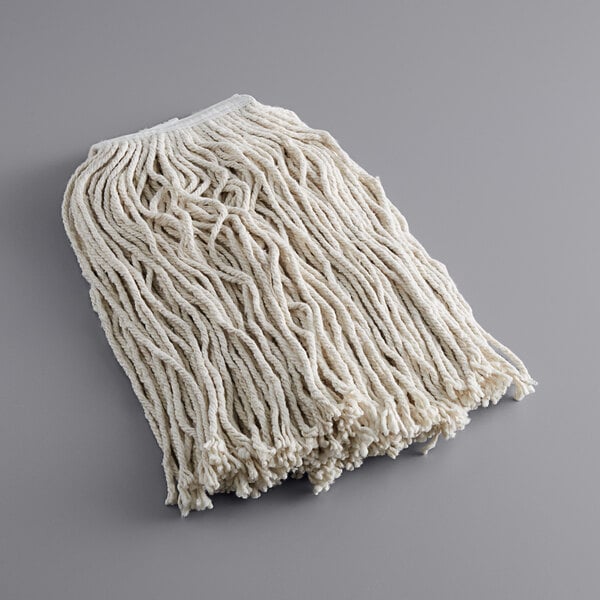
Cut End Mops
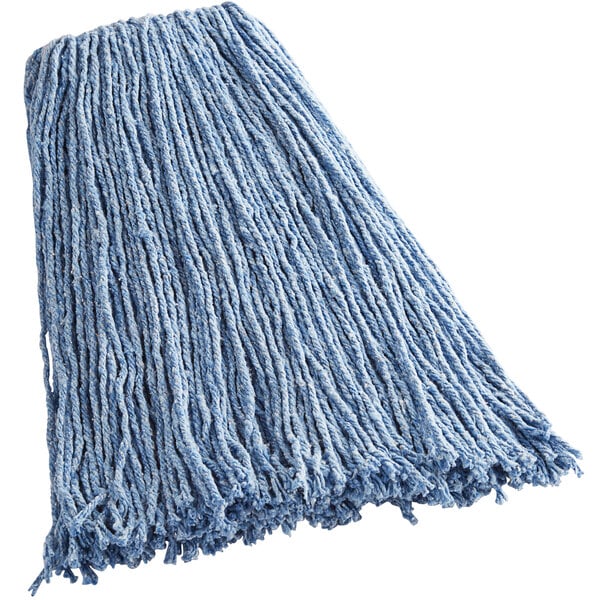
Cut end mop heads feature cut strands that are highly absorbent. When you need to quickly clean up a spill, a cut end wet mop head is convenient and fast. One thing to keep in mind with cut end wet mop heads is that they can fray over time. This means they cannot be laundered and are often considered disposable. While this may seem like a downside, it actually makes them more suited for quick cleanups. You can simply dispose of the mop head after use and grab a new one when you need it.
Materials: 100% cotton, cotton blend, rayon, rayon blend, microfiber
Advantages: Economical, high absorption, disposable
Best Uses: General purpose cleaning, small spills
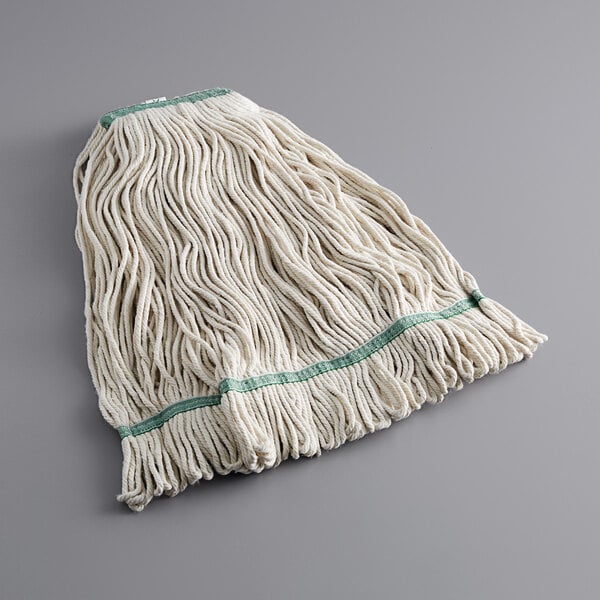
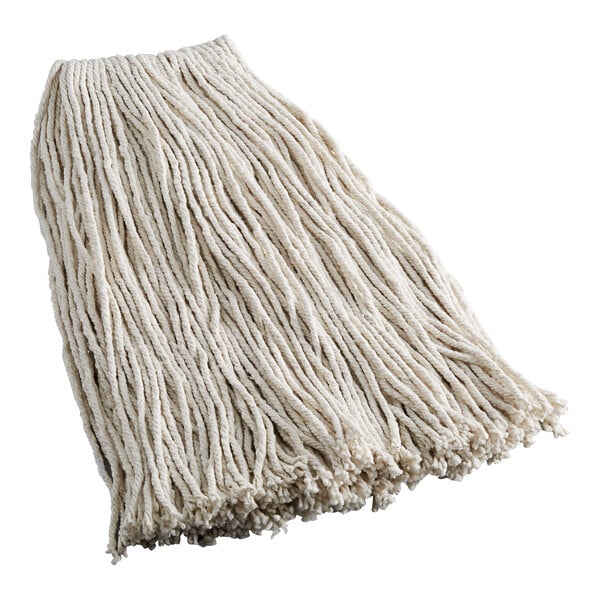
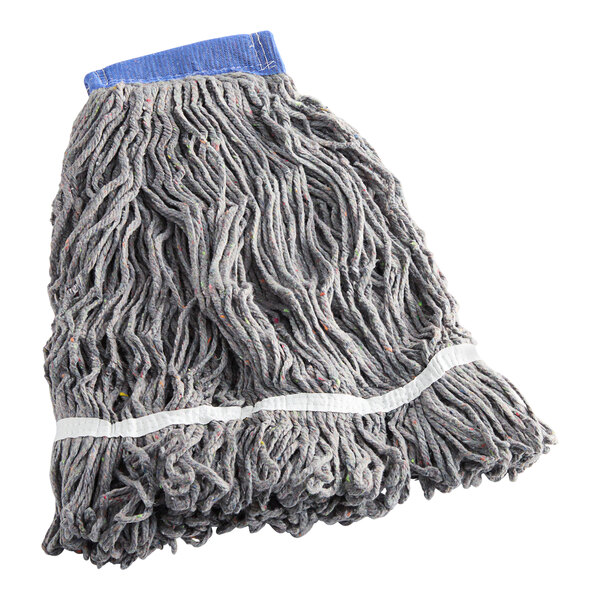
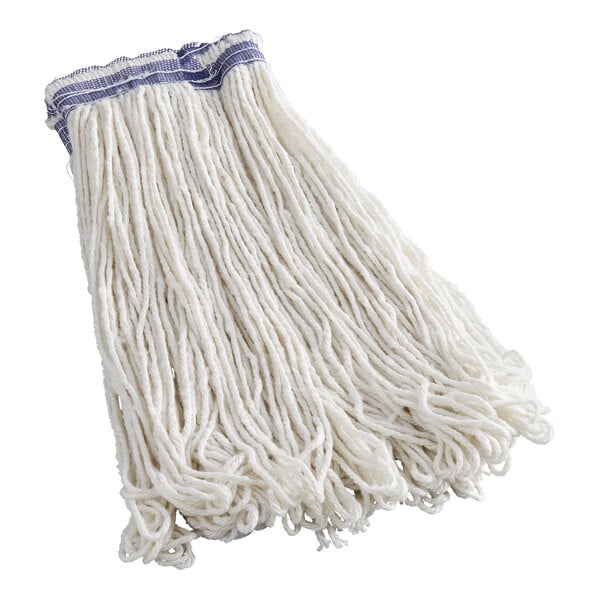
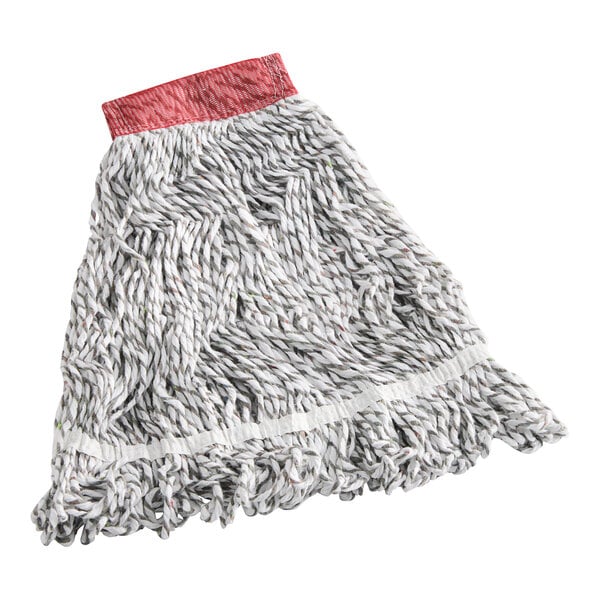
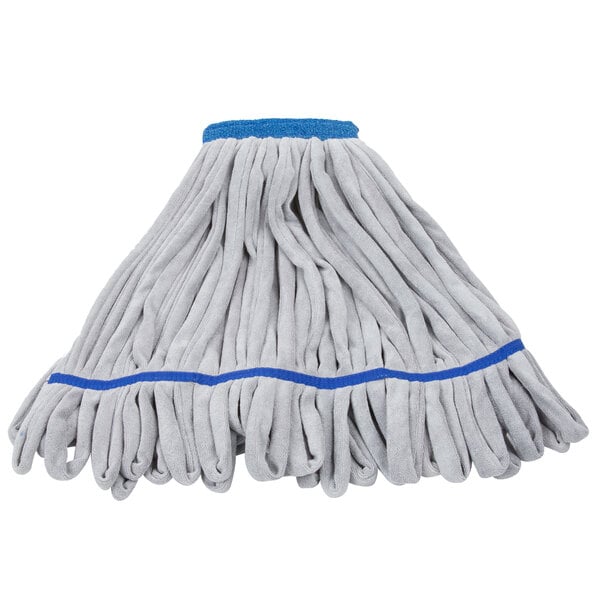
Looped End Mops
These looped end mop heads are made with looped strands that are ideal for cleaning large areas. The design of the mop head allows for a wider spread, so you’ll save time by covering more surface area in each pass. One of the major advantages of looped end wet mops is their durability. The looped strands are stronger than cut strands, so they won't fray or come apart while you're cleaning. This means you can use the same mop for a longer time, saving money on replacements.
Materials: 100% cotton, cotton blend, rayon, rayon blend, microfiber
Advantages: Durable, absorbent, wide spread, no tangling
Best Uses: Large spills and surface areas, applying disinfectants and finishes
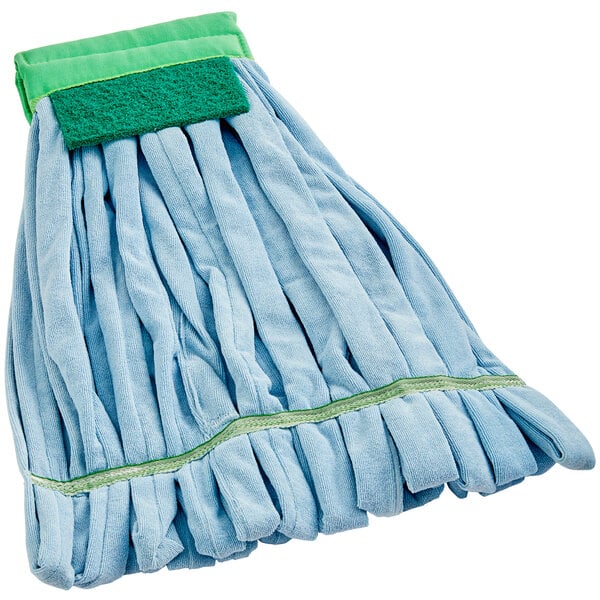
Tube Mops
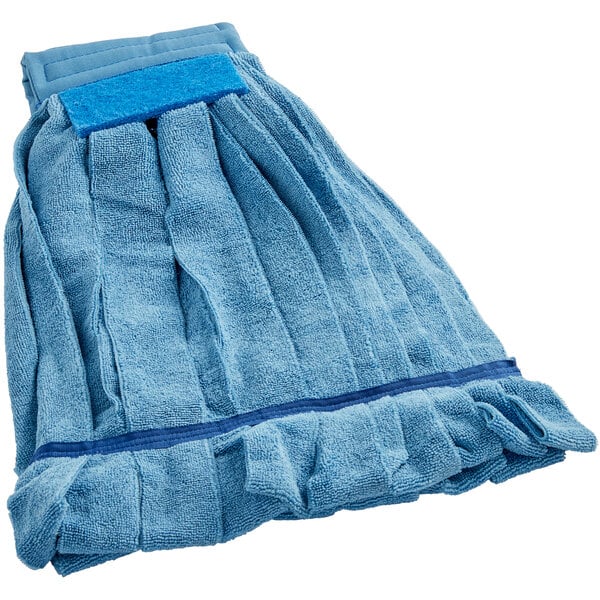
Tube mop heads are a popular choice for commercial cleaning applications due to their unique design. The strands are comprised of material made into a tube-like shape with looped ends. This design reduces tangling and absorbs seven times its weight in liquid. One common material used in tube mop heads is microfiber. Microfiber is a synthetic material that is designed to target and remove more bacteria than traditional cotton mops. This is because the fibers are much smaller than cotton fibers, allowing them to reach into crevices and trap more dirt and bacteria.
Materials: Microfiber
Advantages: Lasts through 500+ washes, targets bacteria, highly absorbent, hypoallergenic, non-abrasive, eco-friendly, requires fewer chemicals
Best Uses: Heavy traffic areas, deep cleaning, healthcare applications
Wet mops are available in a variety of materials, each with its own benefits. Take these qualities into consideration when choosing your mop head:
- Cotton: Economical, absorbent, and durable. Perfect for cleaning up spills and general-purpose cleaning in restaurants, schools, and institutions.
- Cotton Blend: Long product life, durable, and absorbent. Suitable for general-purpose cleaning in restaurants, schools, and institutions.
- Rayon: Absorbent and quick-drying for general-purpose cleaning and for applying finishes and disinfectants. Durable and resists mildew growth. Non-fraying fibers are great for applying finishes.
- Rayon Blend: Durable, absorbent, and mildew-resistant. Economical option for applying a floor finish after you are done cleaning.
- Microfiber: Hypoallergenic and non-abrasive. Designed for lint-, scratch-, and streak-free cleaning of expansive surfaces. Microfiber is machine washable, quick drying, and reusable. Can be used on tile, concrete, and stone floors. Targets and removes bacteria.
- Sponge: Highly absorbent, soaks up water, dirt, and grime. Reusable design makes it more economical than disposable mop pads or heads.
Wet Mop Headbands
The strands of a wet mop head are secured by a headband that connects to a mop handle. There are three types of wet mop headbands to choose from - narrow, wide, and screw-on headbands.
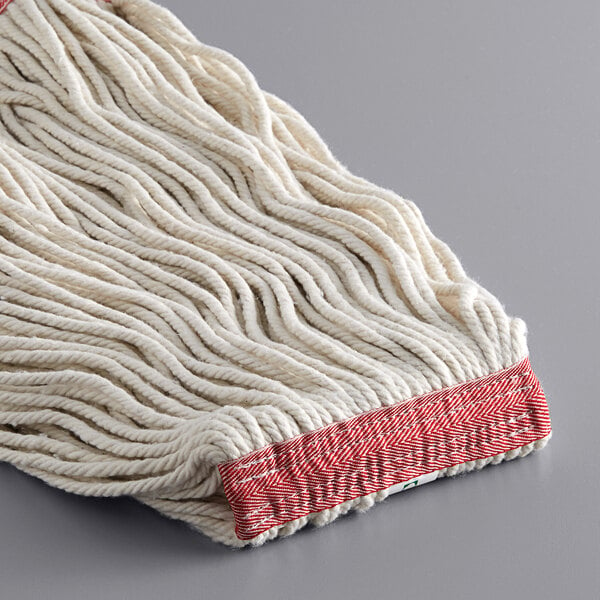
Narrow Headbands
- About 1” thick
- Use with quick release and stirrup handles
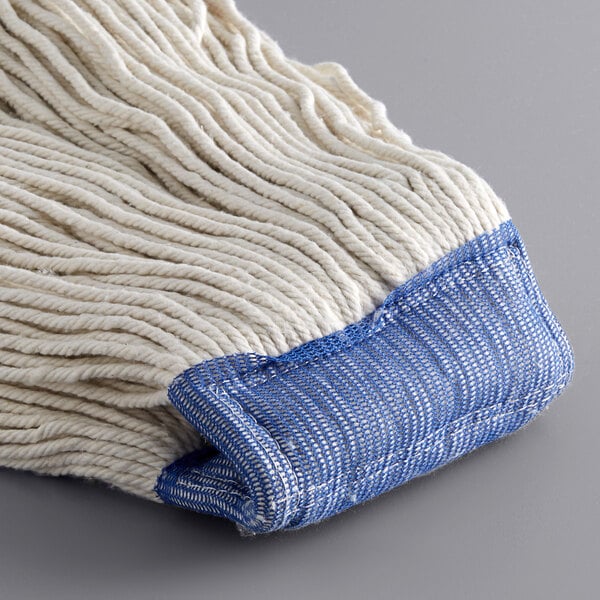
Wide Headbands
- About 5” thick
- Use with jaw / clamp handle
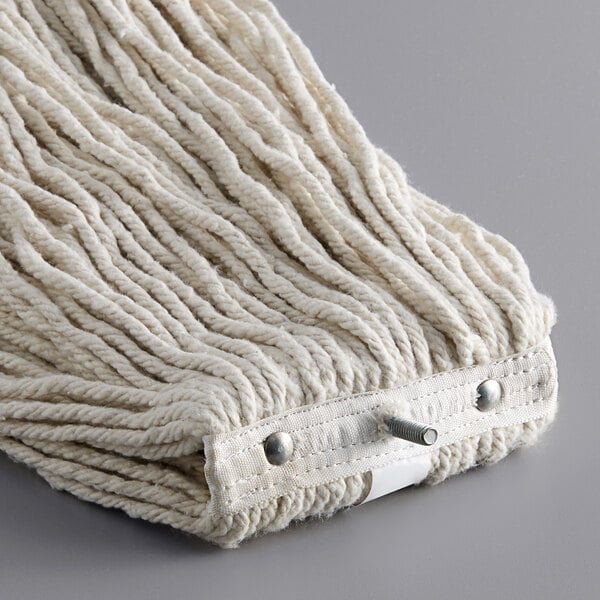
Screw-On Headbands
- Screws onto threaded mop handles
Wet mop heads are designed to be paired with a mop handle. Depending on the type of mop headband you are working with, there's a compatible handle style that will provide the best results. Learn more about types of wet mop handles below:
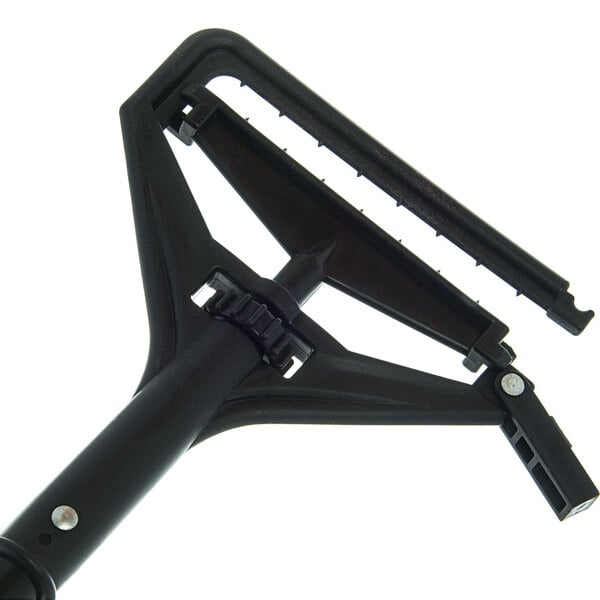
Quick Release Handles
The standout feature of a quick-release handle is the convenient side release gate. This gate allows the user to remove the mop head without handling the dirty or contaminated mop strands. Limited contact with the mop head reduces the potential spread of bacteria and keeps your workspace clean and sanitary. Another benefit of the quick-release handle is that the plastic head won't rust or corrode, which is especially important in wet environments.
Advantages: Minimal hand contact with mop head, fast removal, corrosion-resistant
Use With: Narrow headband mop heads
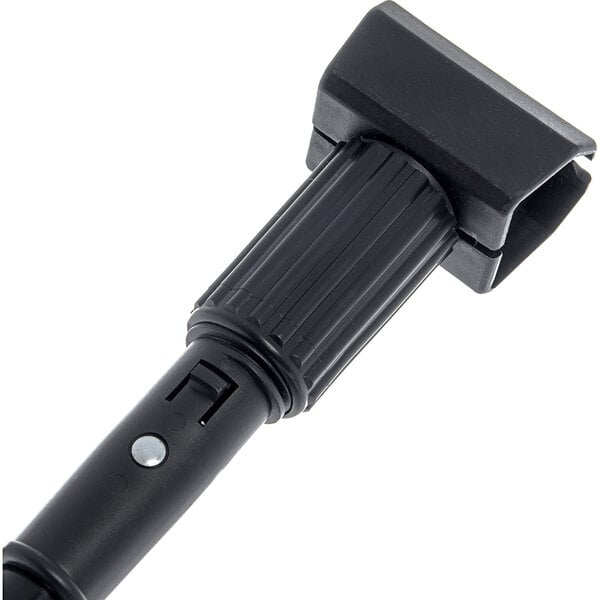
Jaw / Clamp Handles
If you want a mop handle that provides an extra-strong grip on the mop head, a jaw-style handle is the best choice. These handles are designed with a clamp that securely locks onto the mop head, allowing for precise use and handling. This is useful when you need to navigate tight spaces or corners. Jaw-style mop handles are typically used with wide-band mop heads, which are wider than traditional mop heads. This allows for greater coverage and more efficient cleaning.
Advantages: Strong grip, precise cleaning for corners and tight spaces
Use With: Wide headband mop heads
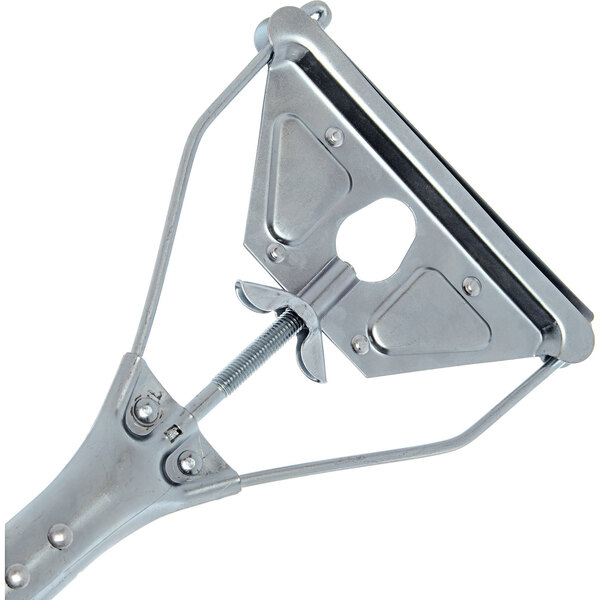
Stirrup Handle
One of the key features of the stirrup mop handle is its durable metal head. Just like a jaw-style mop handle, the stirrup handle grips the mop head securely which makes it a good choice for precision cleaning. The difference between the two types of mop handles is that a stirrup handle is heavier and works with a narrow band mop head, while a jaw-style mop head is made from lightweight plastic and works with a wide band mop head.
Advantages: Extra-strong grip, durable metal material, precision cleaning
Use With: Narrow headband mop heads
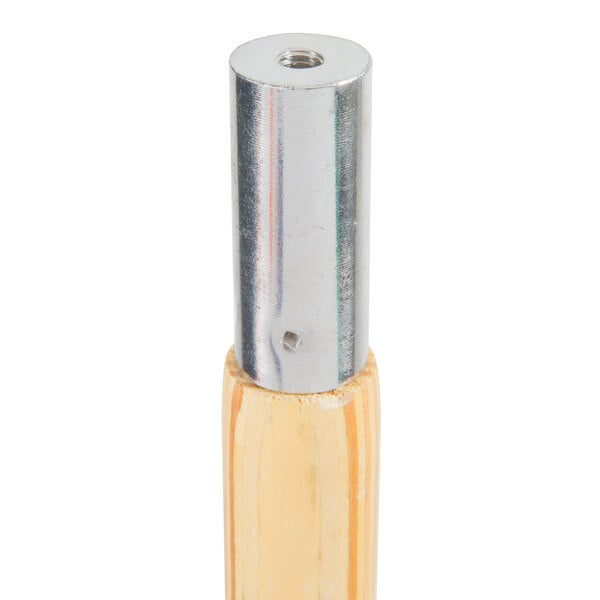
Threaded Handle
The metal connector on these threaded mop handles allows them to be used with screw-on style mop heads. Threaded mop handles aren't just efficient – they're also built to last. The threaded metal handle provides a secure attachment without the bulk, making it a durable option for heavy-duty cleaning tasks. Consider a threaded metal handle for its quick mop head changes and long-lasting durability.
Advantages: Secure grip, light-weight but suitable for heavy-duty cleaning
Use With: Screw-on mop heads
Mop pads are an alternative to traditional mop heads with strands or loops. Designed to be extra-wide, mop pads cover more area in each pass. They're also made to be washable and reusable, which cuts down on replacement costs. Ideal for both wet mopping and dry mopping, these mop pads are extremely versatile. A mop pad system consists of a mop pad, a pad frame, and a mop handle.
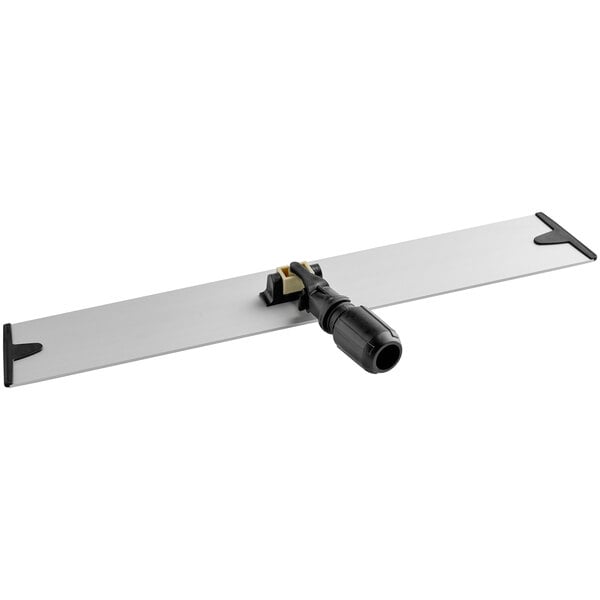
Hook-and-Loop Wet / Dry Mop
Hook-and-loop mops, also called flat mops, consist of a long frame that can be paired with a fastening pad or hook-and-loop pad. These mops can be used for wet and dry mppig applications. It's easy to remove a mop pad from this type of frame when you're done mopping, either to wash the pad or swap it out with a different pad. Hook-and-loop dry mops are highly effective at picking up dirt and debris from floors. The flat design of the mop head allows it to easily glide over surfaces and reach tight corners and crevices, ensuring that floors are thoroughly cleaned.
Advantages: Flat design covers large areas, easy to remove pads
Use With: Hook and loop pads, fastening pads
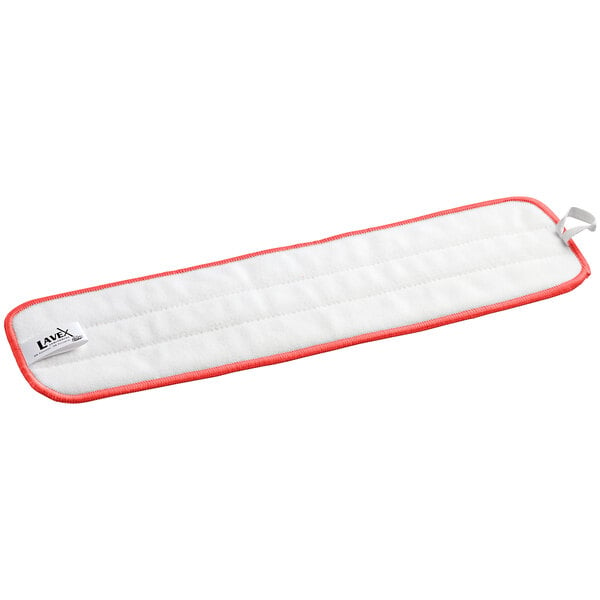
Microfiber Wet / Dry Mop Head
Microfiber mops are a popular choice for commercial cleaning due to their superior cleaning abilities in wet and dry applications. The microfiber material is densely packed with fibers, which effectively removes bacteria and other contaminants from any non-porous surface. This makes microfiber pads an ideal choice for maintaining a clean and hygienic environment in commercial spaces such as hospitals, restaurants, and offices.
Advantages: Lint-free, works on non-porous surfaces, long-lasting
Use With: Hook-and-loop frames
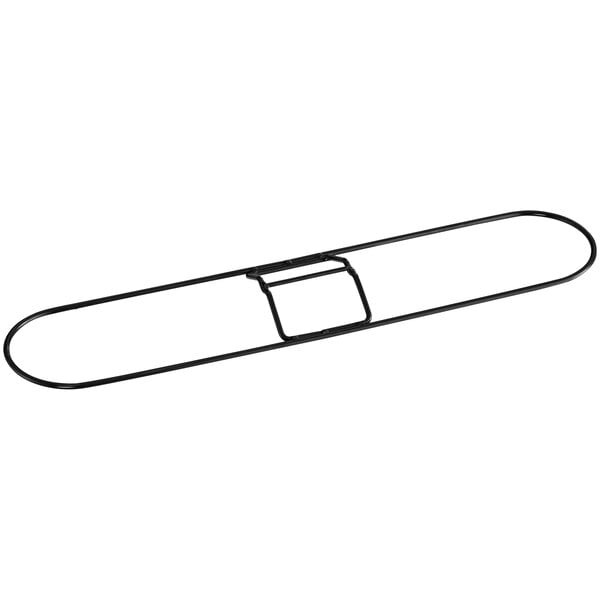
Wire Mop Frames
Made from powder-coated metal, these wire mop frames are built to withstand heavy use without bending or warping. Use this type of dry mop frame in high-traffic areas like lobbies, hallways, and other spaces that require frequent cleaning. Wire mop heads are also designed to work with a swivel snap handle, which allows for easy maneuverability and control when cleaning. This makes wire mops suitable for use in tight spaces or areas with obstacles that require precise movement and control.
Advantages: Easy to maneuver around corners, durable material won't bend
Use With: Pocket dust mop pads, swivel snap handles
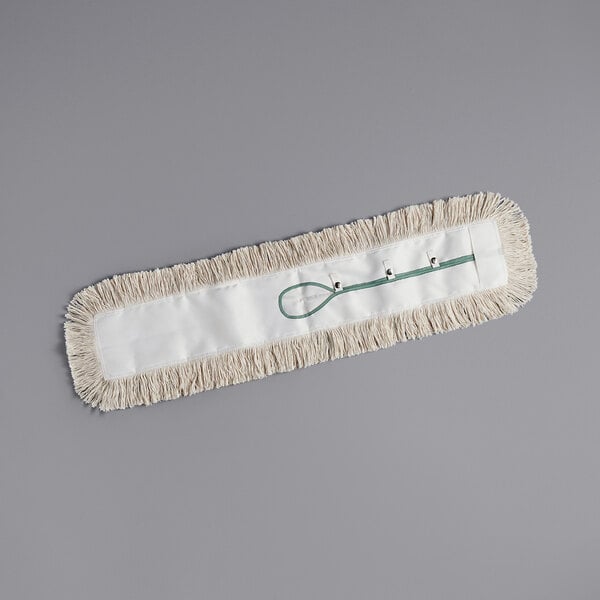
Cotton Wet / Dry Mop Head
One of the main advantages of cotton wet/dry mops is their cost-effectiveness. They are disposable, which means they are simple to use and easy to replace. This makes them a great option for businesses that need to keep their cleaning costs low. In addition to being economical, cotton dry mops are also incredibly efficient at cleaning up dust and other debris. The natural cotton fibers quickly and easily attract and whisk away dust, leaving floors and surfaces looking clean and polished. Use cotton mop pads for wet and dry applications.
Advantages: Economical, disposable, 100% cotton
Use With: Wire mop frame
Mop Characteristics
Before deciding which type of mop system is best for you, familiarize yourself with some mop basics. Understanding these characteristics will help you make an informed choice.
Yarn Ply: Yarn ply indicates the number of fibers twisted together to make a single yarn strand in a mop. More plies mean more strength, though a higher ply count doesn't necessarily mean a better quality fabric. Additional strands add durability but also decrease absorbency. It's more efficient and cost-effective to choose a low-ply, high-quality yarn than a high-ply, low-quality yarn.
Sizes: When looking at mops, consider the application and the type of wringer being used. Both looped and cut-end mops are sized and measured in ounces. On this scale, the higher the ounce rating a mop has, the larger its head will be.
Antimicrobial: In some mops, there are fibers locked into the yarn that contain an antimicrobial additive. This additive helps protect the mop head from deteriorating by preventing the growth of bacteria, mold, mildew, or yeast in the mop head.
Headbands: Mop headbands come in two sizes: narrow and wide. Narrow headbands are 1" thick and typically used with stirrup or quick-release handles. Wide headbands are 5" thick so they work well with jaw-style handles. When it comes to material, mesh bands provide a non-abrasive scrubbing surface and allow the mop to dry quickly to prevent mildew growth.
Absorbency: Absorbency ratings are based on the size of the mop head and how much liquid it can hold. Follow the ranges below as a general guide to absorbency:
- Small mop heads hold 8 - 10 oz. of liquid
- Medium mop heads hold 16 - 20 oz. of liquid
- Large mop heads hold 24 - 32 oz. of liquid
- Extra-Large mop heads hold 32 - 40 oz. of liquid
Looped End Details
Features | Machine Washable | Uses | |
|---|---|---|---|
 |
| × | General purpose cleaning |
 |
| × | General purpose cleaning |
 |
| General purpose cleaning, applying finishes and disinfectants | |
 |
| General purpose cleaning, applying finishes and disinfectants | |
 |
| Heavy-traffic areas, deep cleaning, healthcare, schools | |
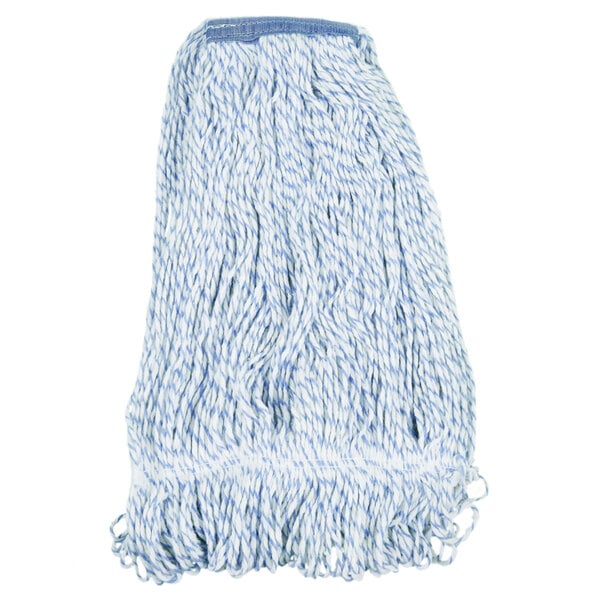 |
| Applying floor finish |
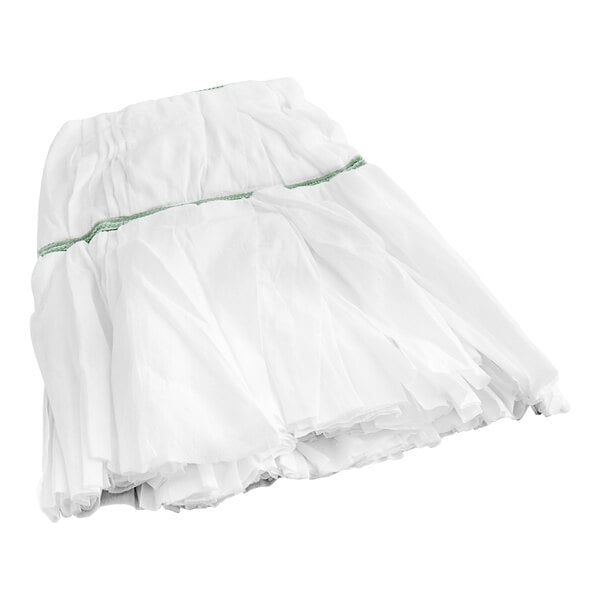
Cut End Details
Features | Machine Washable | Uses | |
|---|---|---|---|
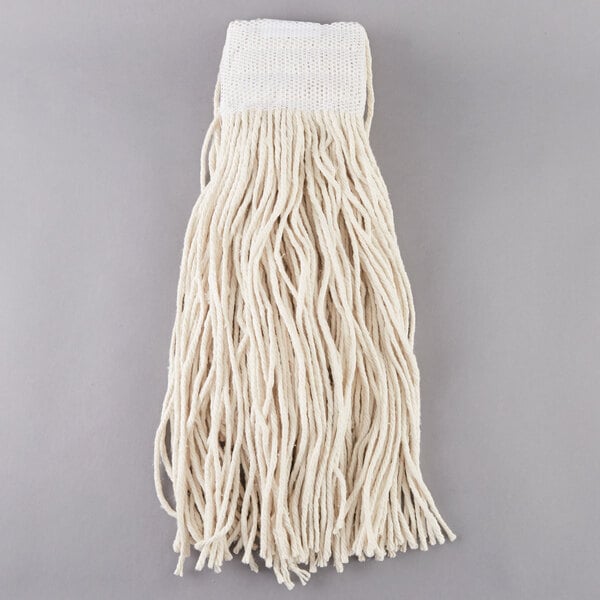 |
| × | General purpose cleaning |
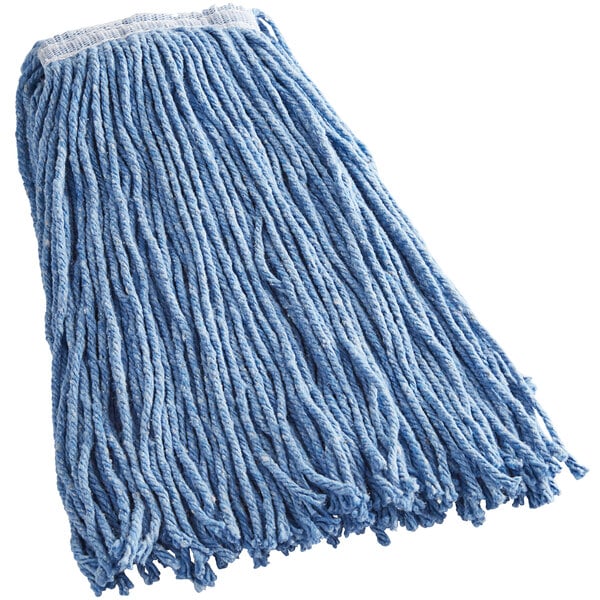 |
| × | General purpose cleaning |
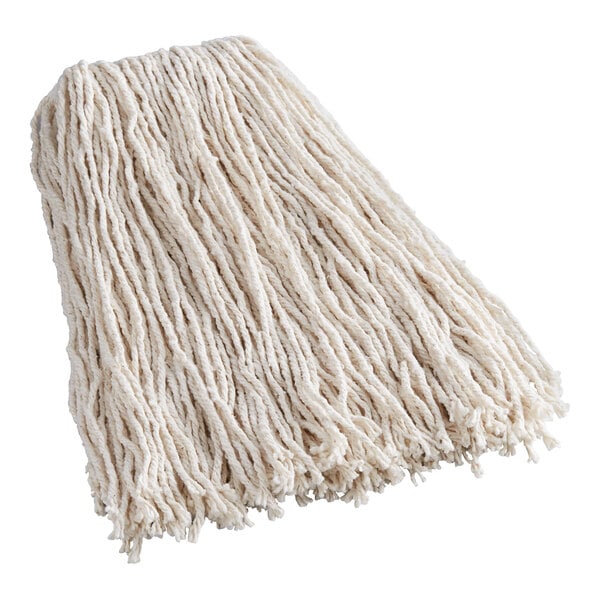 | × | General purpose cleaning, applying finishes and disinfectants | |
 | × | General purpose cleaning, applying finishes and disinfectants | |
 |
| × | Heavy-traffic areas, deep cleaning, healthcare and schools |
Tube End Details
Features | Machine Washable | Uses | |
|---|---|---|---|
 |
| Heavy traffic areas, deep cleaning, healthcare applications |
Color-Coded Mops
Color-coded mop heads are excellent tools for preventing cross-contamination in places where bacteria and germs may spread easily. This helps your staff choose the right mop for the job, whether they're cleaning a bathroom floor or a food prep area. Use this as a guide for color-coded mops:
- Red: High-risk, infectious areas like bathrooms and washrooms
- Yellow: Gyms, warehouses, and non-infectious areas
- Blue: General cleaning for dining areas, offices, and classrooms
- Green: Kitchens, food prep areas, and cafeterias
With the proper care, you can extend the life of your mops and spend less money on replacements. Plus, a mop that is maintained correctly will be more effective. Follow these steps for mop care and storage:
- Always rinse a mop head in warm water before use to remove any potential residue.
- Avoid twisting the mop head in the mop wringer to prevent strands from loosening.
- Soak the mop head in hot water for up to 10 minutes after you are finished mopping, and then rinse. This helps keep the mop head clean and prevents cross-contamination.
- Never leave a mop in dirty mop water overnight. This creates a breeding ground for bacteria, mold, and mildew. It also weakens the mop fibers.
- Store all mops upright in a well-ventilated area.
- Machine launder applicable mop heads regularly. Don't launder cut end mops, because they will tangle and fray in the wash.
- Do not use bleach when washing your microfiber wet mops because this breaks down the fibers. Use a mild disinfectant instead.
Related Resources

June 2026 WebstaurantStore Coupon Code
Summer is upon us, and to celebrate WebstaurantStore has blazing hot deals all month long! With summer vacations underway and holidays like Independence Day rapidly approaching, now is the time to stock up on essential supplies and equipment you'll need to get through the summer season. Take a look at our wide array of sale items below and don't forget to enter the code SUMMERSALE at checkout to enjoy up to 20% off your purchases! Looking to save even more? Check out the new Webstaurant Rewards® Visa Business Card ! Sign up for a new card today and start earning rewards on every WebstaurantStore purchase, and save on a WebstaurantPlus subscription. Have a look at some incredible deals on disposable items with June's monthly coupon code! Whe

Types of Mop Handles
Mop handles play a crucial role in the efficiency and effectiveness of any cleaning routine. No matter what type of mop you're using, a good handle provides a sturdy and ergonomic grip, allowing for easy maneuverability and control while cleaning various surfaces. From traditional wooden handles to light weight aluminum handles, choosing the right mop handle can greatly impact the efficiency and effectiveness of your cleaning routine. Shop All Mop Handles, Frames, and Accessories Use the following links to explore everything you need to know about mop handles: What Is a Mop Frame? Mop Handle Materials Mop Handle Attachment Styles Mop Handle Considerations Mop Handle Length Mop Handle Features Mop Handle Maintenance Tips

Restaurant Cleaning Checklist
Cleaning, sanitizing, and disinfecting are incredibly important in the foodservice industry to prevent cross-contamination and the spread of viruses. But, with so many things to clean in a restaurant, it can be difficult to remember all of the individual cleaning tasks that you need to take care of and how regularly you need to clean your equipment. To lessen the burden, we created this restaurant cleaning checklist that your employees can use to keep track of the cleaning tasks that need to be completed. Pair this commercial kitchen cleaning checklist with our wide selection of restaurant cleaning supplies . Click below for our downloadable restaurant cleaning checklist PDF that your employees can use as they're cleaning. Printable Cleanin
Join Our Mailing List
Receive coupon codes and more right to your inbox.